The Hyundai Creta has been sitting at the top of India’s SUV sales charts for almost a decade. Month after month, year after year, it just doesn’t stop selling. And yet, Hyundai is not satisfied. It is quietly working on something bigger, bolder, and more advanced than anything the Creta badge has ever carried. The next-gen Creta is coming, and it’s going to be a serious upgrade. So let’s break down everything you need to know.
Attention Readers! Join us on Whatsapp Community for daily auto news updates
Next-Gen Creta – Here Is What We Know!
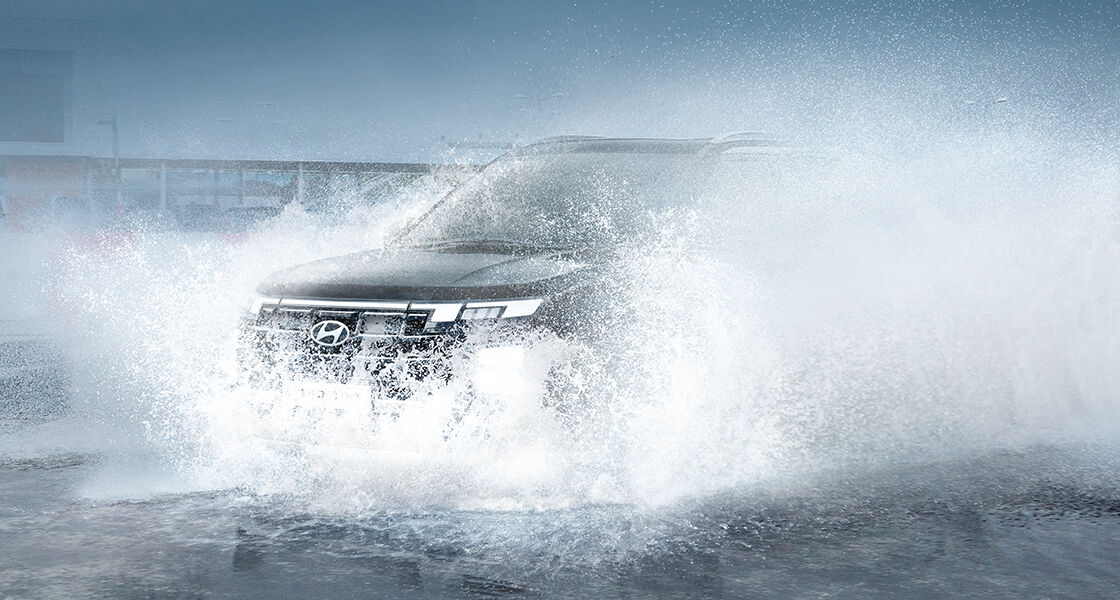
The current Creta has a rounded, soft design that some people love and others don’t, but the new one? It is going in a completely different direction. SUV-like stance inspired by Hyundai’s flagship Palisade. Think sharper edges, a more upright front fascia, and a design that looks like it means business.
The glass area is also quite angular and squared off, much like the new Kia Seltos, and the test mule hints at a prominent rear roof spoiler. Even the alloy wheels are getting bigger, mid-spec variants are expected to get 18-inch alloys, a significant step up from the current 17-inch wheels on comparable trims. Honestly, this looks like Hyundai is finally building the Creta that people always wished it could be.
Also Read: Can Kia Beat Toyota At Its Own Game?
The Big Platform Shift
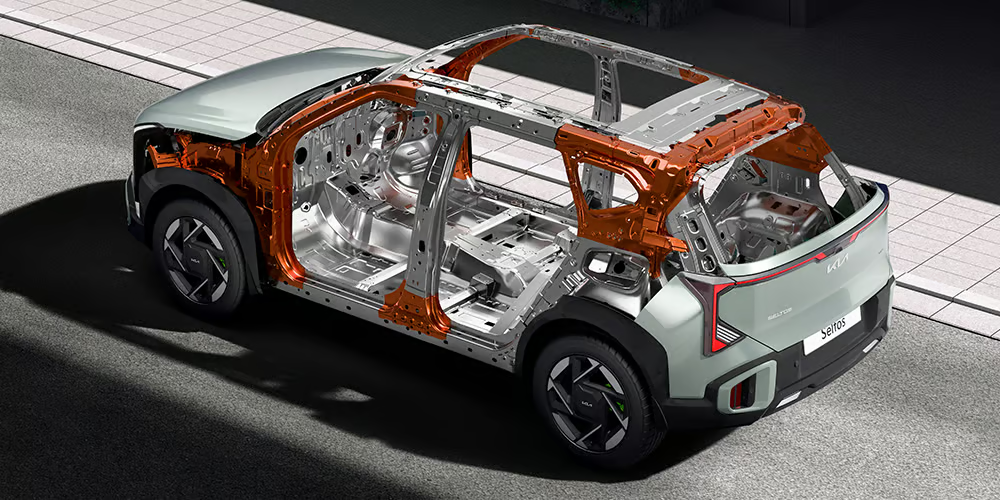
The next-gen Creta will be built on the global K3 platform, the same architecture that underpins the new Kia Seltos. This is a massive deal. The current Creta rides on an older platform that has faced criticism for its safety structure, and the move to K3 fixes exactly that.
The K3 platform is designed for superior structural rigidity and a longer wheelbase, which means more legroom inside and a more planted, confident feel at highway speeds. The wheelbase is expected to grow to around 2690mm, and the overall length could reach approximately 4.5 meters, making it wider and taller than the outgoing model.
Also Read: Hyundai To Launch This Fronx Rival!
Next-Gen Creta – Safety
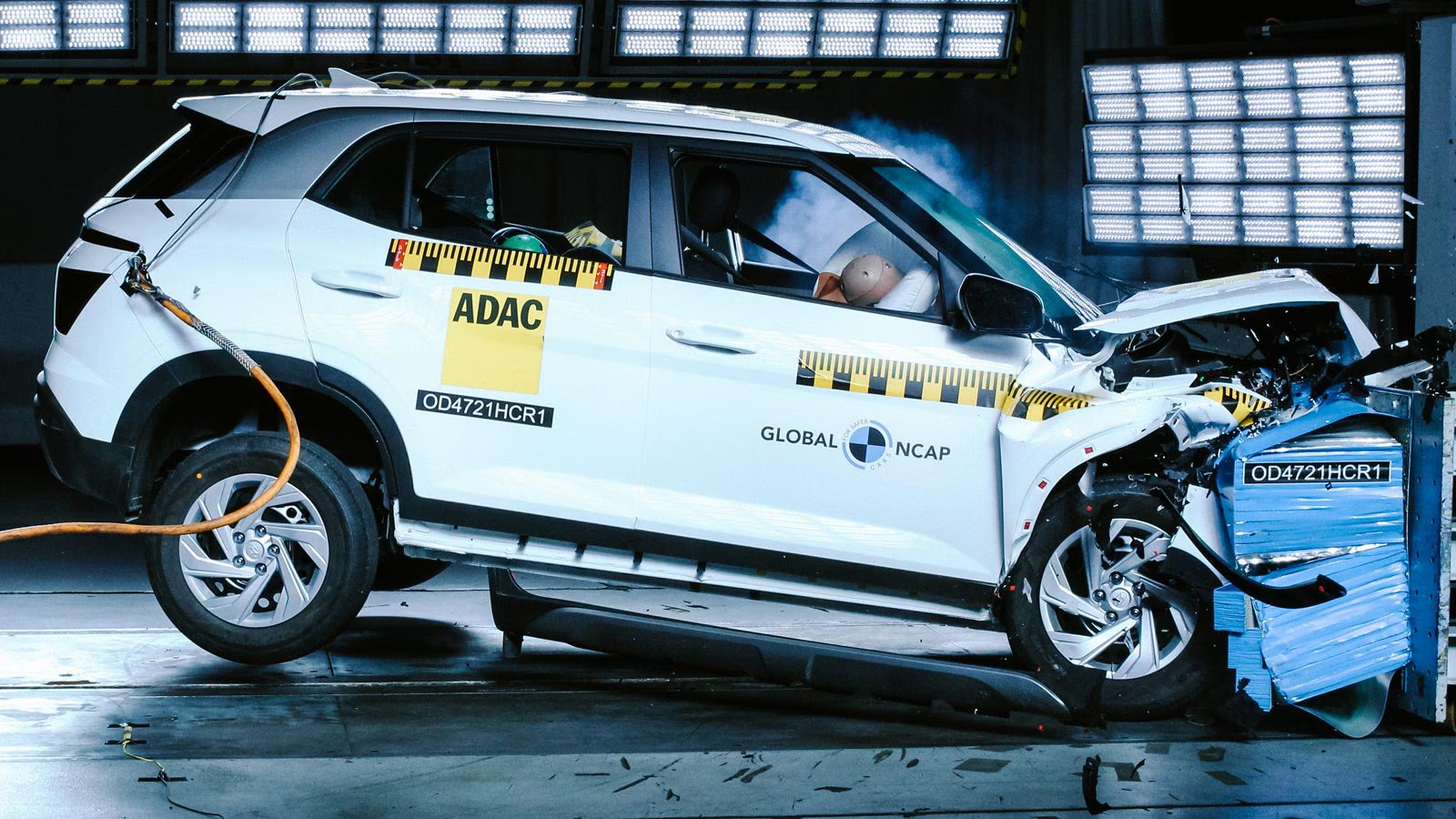
This is something Indian car buyers have been waiting for. The current Creta’s 3-star Global NCAP rating has always been a sore point, especially for a segment leader. The older platform was considered structurally weak for modern crash standards, and the move to a new platform is expected to bring a major improvement in safety. Hyundai is reportedly aiming for a full 5-star Bharat NCAP and Global NCAP rating with this generation
Add to that a comprehensive Level 2 ADAS suite, things like automatic emergency braking, lane keep assist, blind spot monitoring, and adaptive cruise control, and the new Creta will be one of the safest cars in its segment.
Also Read: Top 5 Automatic Cars Under ₹15 Lakhs!
Features
The compact SUV segment in India is currently undergoing a tech revolution. Look at what competitors are already offering: the Kia Seltos with its panoramic display, the new Volkswagen Taigun with its illuminated front/rear VW logo and the Skoda Kushaq with rear massage features.
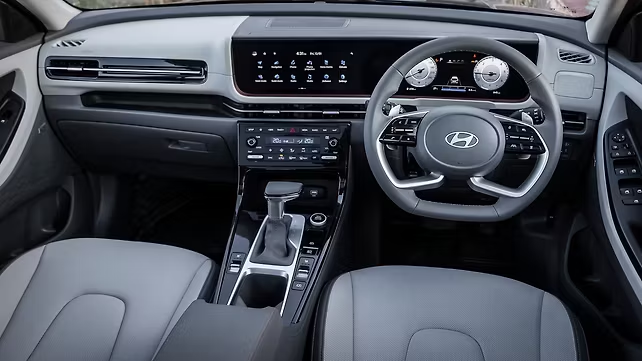
The next-gen Creta will not be left behind. It is expected to feature a 12.3-inch touchscreen infotainment system paired with a 12.3-inch digital driver’s display. a dual-screen cockpit setup that looks premium and modern. The spy images have also confirmed an electric Boss Mode seat feature and adjustable headrests for all three rear passengers. Beyond that, expect smarter AI-based voice assistance, better connected car features, over-the-air updates, and a more intuitive UI overall. Flush door handles, a new steering wheel with Hyundai’s modern four-dot logo, and a completely redesigned interior are also on the cards. This will feel like a brand new car inside and out.
Also Read: Mahindra-Toyota’s Safest SUV Is Here!
Next-Gen Creta – Powertrain
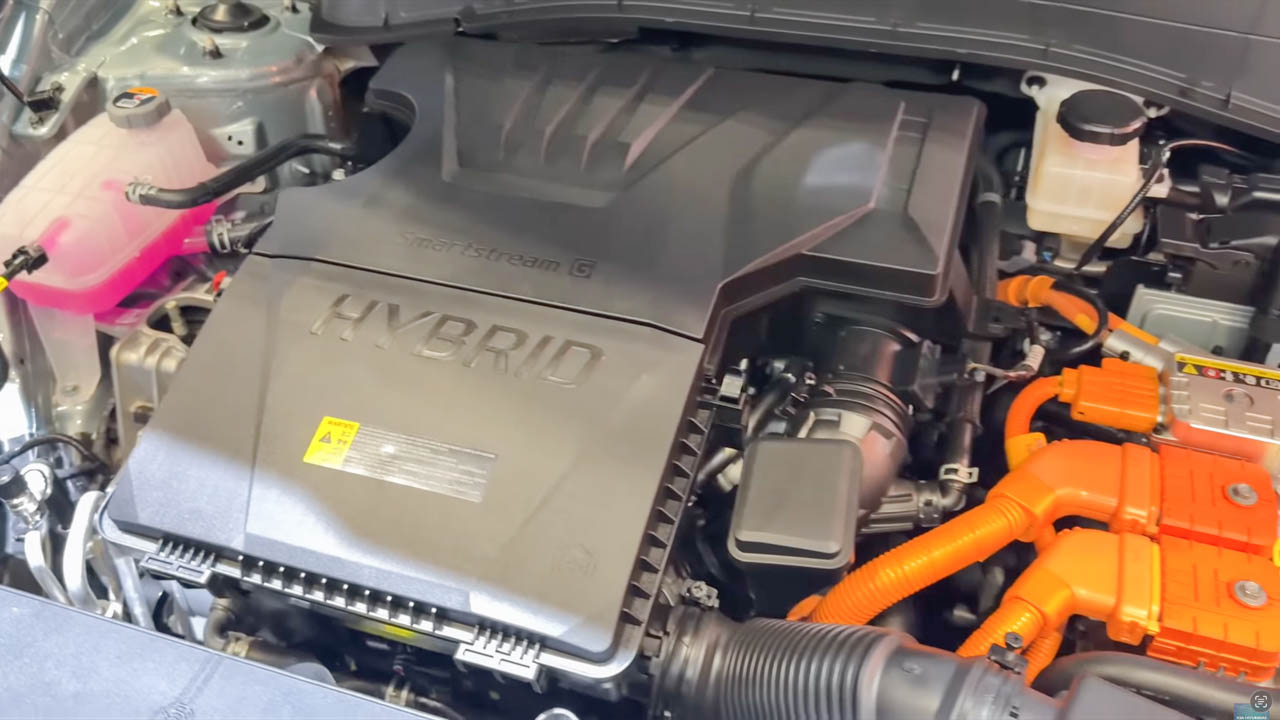
Here is probably the most exciting news for Indian car buyers who are tired of having to choose between fuel efficiency and performance. Hyundai is reportedly planning to launch the next-gen Creta with a strong hybrid engine. The hybrid system will be based on the 1.5-litre naturally aspirated petrol engine, aiming for a smoother, more refined experience with a 4-cylinder hybrid configuration.
The existing engines, the 115hp and 144nm torque in 1.5-litre petrol, the 160hp and 253nm torque in 1.5-litre turbo-petrol, and the 116hp and 250nm torque in 1.5-litre diesel, are all expected to continue, so buyers will still have plenty of choices. But the hybrid option could genuinely be a game-changer for those chasing that sweet spot between fuel savings and a pleasant driving experience.
Also Read: Hyundai Grand i10 Nios – Special Edition Launched!
Price

Now the question everyone really wants answered: how much is it going to cost? The good news is that Hyundai is unlikely to dramatically increase the price. A modest increase of around Rs 10,000 to Rs 20,000 over current prices seems most realistic, with the base variant likely starting somewhere around Rs 13 lakh (on-road, Mumbai) and going up to Rs 24 lakh (on-road, Mumbai).
Also Read: Up To ₹2 Lakh Off On These ₹20 Lakh Cars!

Hi, I’m Ravindra Meena , a bike and automobile enthusiast. I share honest reviews, mileage tests, and latest updates about bikes, cars, and EVs to help you make the right choice. Stay connected for real-world insights and trending auto news! 🏍️🚗