Imagine waking up one morning and being told that the bike or scooter you use every single day to commute, drop your kids off at school, and navigate through chaotic traffic can no longer be bought new in this city. That morning is closer than you think. Here is all you need to know.
Attention Readers! Join us on the WhatsApp Community for daily auto news updates
What Exactly Has Delhi Proposed? – Delhi Bans Two-Wheelers
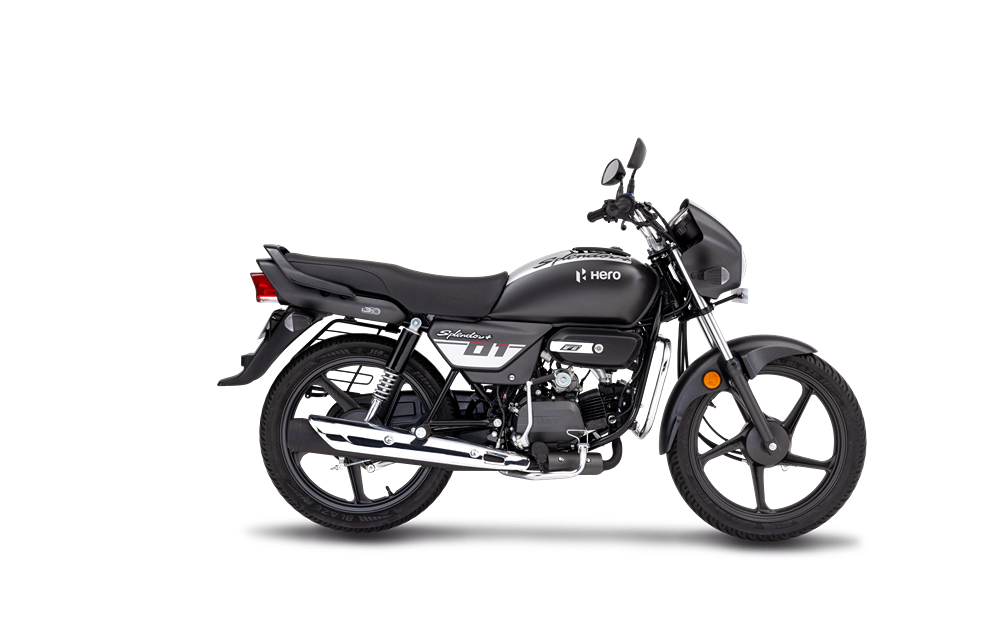
The Delhi government released the Draft Delhi Electric Vehicle Policy 2026-2030 on April 11, 2026, proposing a complete ban on new registrations of petrol and CNG two-wheelers from April 1, 2028. From April 2028, less than two years away, if you walk into a dealership in Delhi, you will not be able to buy or register a new petrol scooter or motorcycle. Only electric two-wheelers will be allowed. The draft policy is currently open for public feedback for 30 days, with a submission deadline of May 10, 2026.
Also Read: Mahindra’s Answer To The Tata Harrier Is Here!
Why Two-Wheelers?
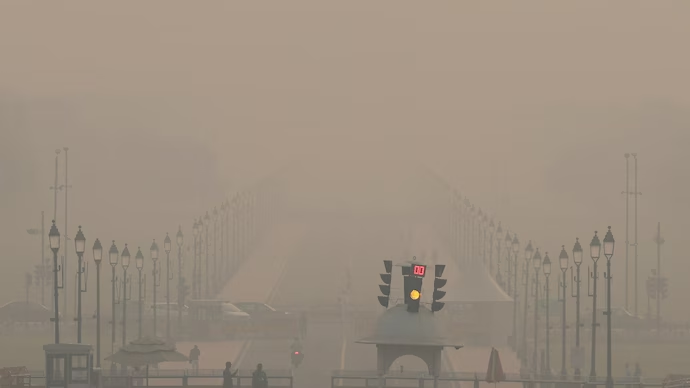
Here is the uncomfortable truth that Delhi has been living with for years. Two-wheelers account for approximately 67 percent of the total vehicle stock in Delhi, making their rapid electrification critical to achieving meaningful reductions in vehicular emissions. Vehicular emissions account for approximately 23 percent of Delhi’s winter air pollution.
Every winter, Delhi chokes. Schools shut down. People wear masks just to step outside. Children grow up breathing air that damages their lungs before they even reach adulthood. The government has tried odd-even rules, construction bans, and everything in between. But the sheer number of petrol two-wheelers on Delhi roads has always been the elephant in the room; now the government is addressing it directly.
Also Read: Next-Gen Kia Sonet – Key Details Revealed!
The Timeline – Delhi Bans Two-Wheelers
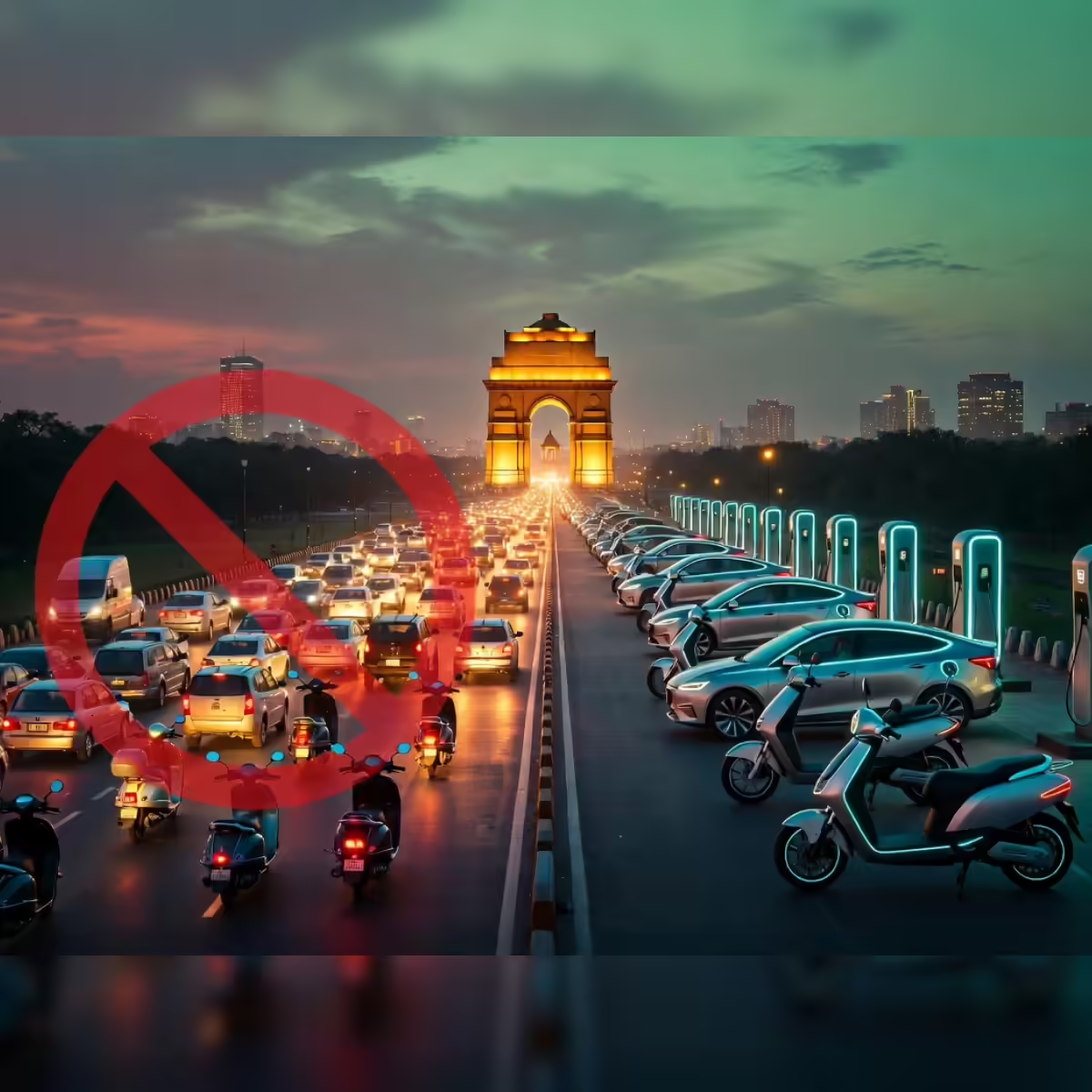
The policy is not an overnight switch. It is a carefully phased roadmap: Delivery companies and fleet aggregators must stop adding petrol or diesel two-wheelers to their fleets, with only a limited window until December 31, 2026. From January 1, 2027, only electric three-wheelers will be allowed for new registrations in Delhi. From April 1, 2028, only electric two-wheelers will be permitted for new registrations.
Also Read: Tata Sierra Spotted In A New Avatar!
What’s In It for Buyers? The Subsidies Are Real
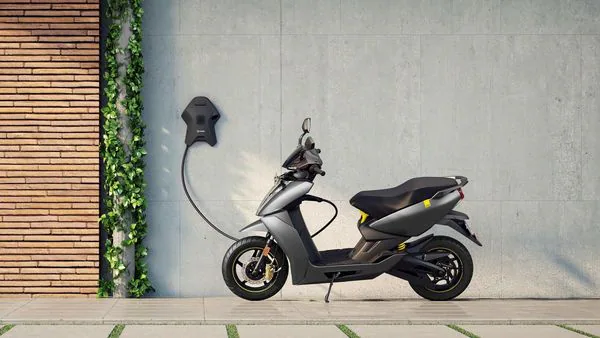
The government knows it cannot just ban petrol bikes and walk away. So they are putting serious money behind the transition. Electric two-wheelers priced up to Rs 2.25 lakh will receive subsidies linked to battery capacity, Rs 10,000 per kWh in the first year, up to a maximum of Rs 30,000. This will gradually reduce over the three years of the policy.
There is also a scrappage incentive: scrap your old BS4 or older petrol vehicle and buy an EV within six months, and you get an extra Rs 10,000 for two-wheelers, Rs 25,000 for three-wheelers, and a massive Rs 1 lakh for cars. On top of that, a 100 per cent exemption on road tax and registration fees for electric vehicles priced up to Rs 30 lakh makes the switch even more financially attractive.
Also Read: Honda City To Get Much-Needed Update!
The Charging Problem – Delhi Bans Two-Wheelers
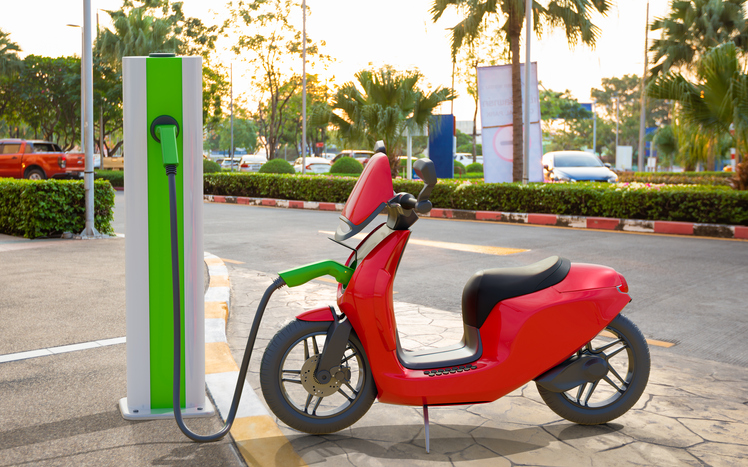
Here is the biggest challenge the government needs to solve. Telling people to go electric is one thing. Making sure they can actually charge their vehicles at home, at work, on the road, is entirely another. The policy plans to expand EV charging stations in Delhi from around 9,000 currently to 36,000 by 2030, with a dedicated Rs 1,000 crore fund allocated specifically for charging infrastructure.
Also Read: JSW To Launch This Tata Nexon Rival!
Who Benefits from This Policy?
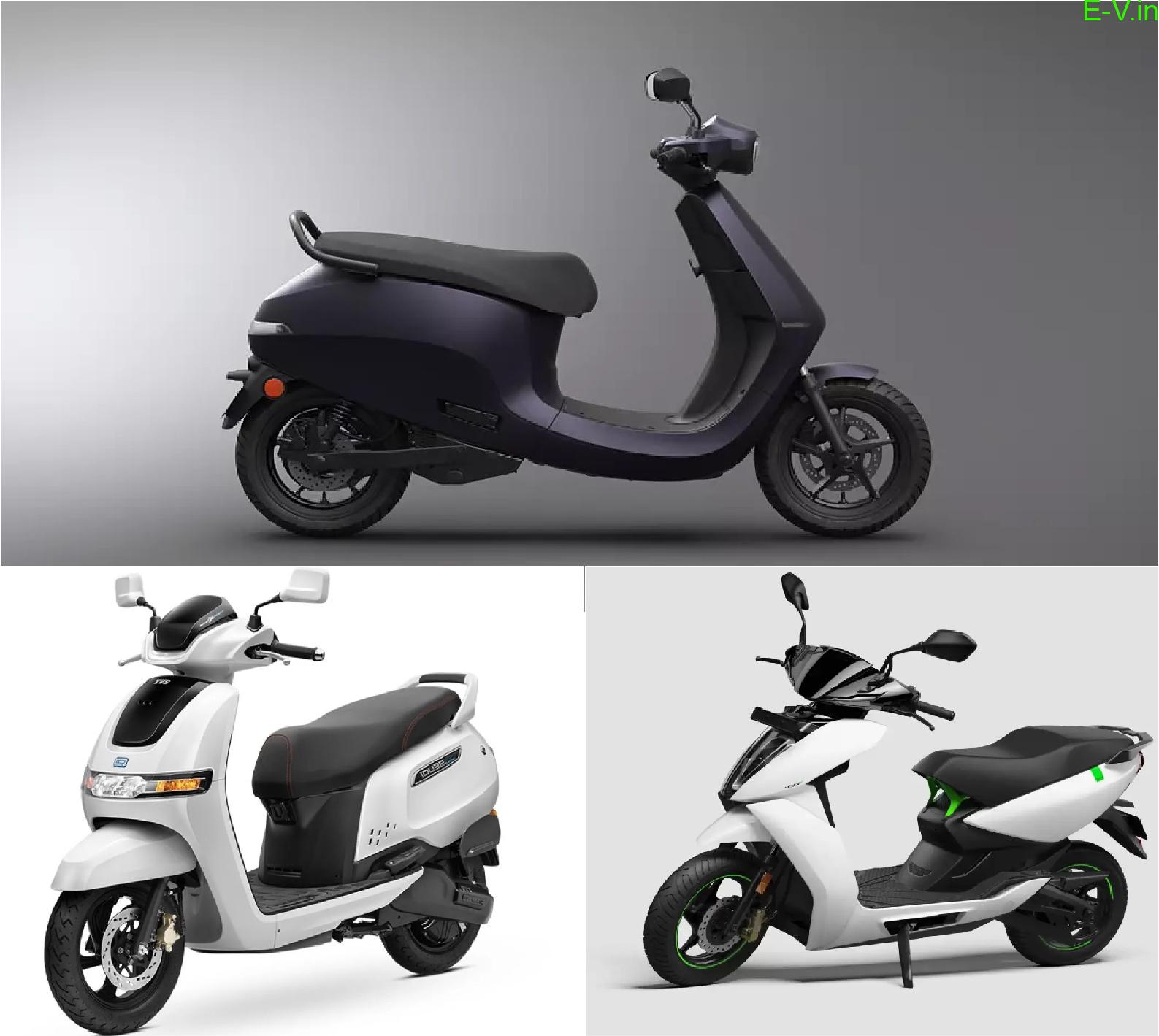
The EV policy will give a significant boost to leading EV brands in the Indian market, such as Ather Energy and Ola Electric, as well as legacy players like TVS Motor Company with its iQube, Bajaj Auto with its Chetak EV, and Hero MotoCorp with its Vida range.
There is no immediate ban on existing petrol bikes and scooters. The transition is designed to be gradual, not sudden. If you already own a petrol two-wheeler, you can continue riding it. This policy only affects new registrations from April 2028 onwards.
Also Read: 5 Upcoming SUVs Under Rs 15 Lakh!

Hi, I’m Ravindra Meena , a bike and automobile enthusiast. I share honest reviews, mileage tests, and latest updates about bikes, cars, and EVs to help you make the right choice. Stay connected for real-world insights and trending auto news! 🏍️🚗