Something is quietly brewing in the Indian automobile market. India’s most popular car brands are introducing new products in the Indian market this year. Here’s your early look at the six machines that are about to reshape Indian roads.
Attention Readers! Join us on the WhatsApp Community for daily auto news updates.
Honda ZR-V – Upcoming Cars in 2026
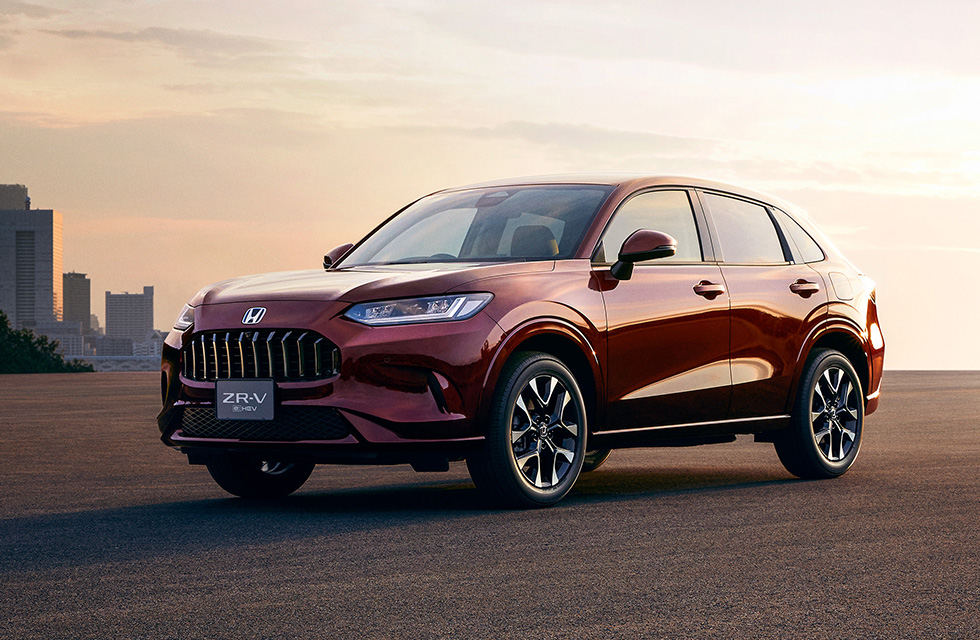
The Honda ZR-V is Set to launch on May 22, 2026, as a fully imported, Completely Built Unit (CBU), measuring 4,568mm in length. It is a proper mid-size premium crossover, slotting above the Elevate in Honda’s lineup and taking aim squarely at the Volkswagen Tiguan and Skoda Kodiaq.
Under the hood lives a 2.0-litre four-cylinder strong hybrid powertrain producing around 184hp and 315 nm of torque, paired with an e-CVT, the same kind of intelligent hybrid system that runs primarily on electric power at low speeds before the petrol engine takes over at higher velocities. The result is smooth, near-silent city driving with impressive efficiency.
Inside, it gets a 9-inch touchscreen with Google integration built in, a 10.2-inch digital driver’s display, dual-zone climate control, powered and ventilated front seats, a Bose premium audio system, wireless charging, and a comprehensive Honda Sensing ADAS suite. It is expected to be priced around Rs 45-50 lakh (on-road, Mumbai). It is not cheap. But for buyers who want hybrid refinement, premium build quality, and a car that feels exclusive on Indian roads.
Also Read: 5 Exciting Cars Coming Next Month – Should You Wait?
Toyota Land Cruiser FJ
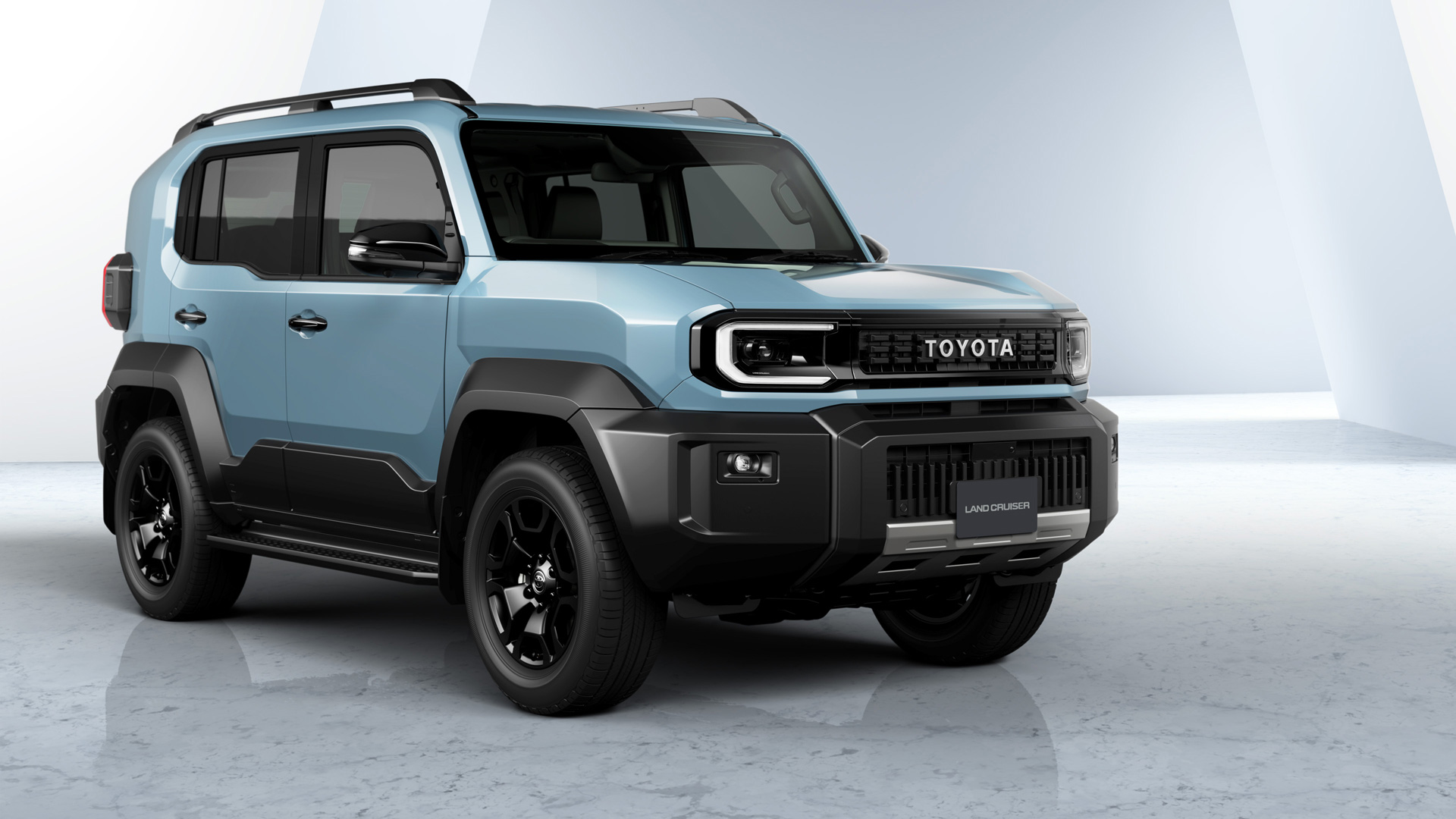
The Land Cruiser FJ has been launched in Thailand, giving us a brief idea of what the Indian-spec FJ looks like. The design is unmistakably retro-modern with a boxy silhouette, squared-off body panels, flared wheel arches, thick edge cladding, a tailgate-mounted spare wheel, and chunky all-terrain tyres. It shouts off-road from every angle.
The FJ is a 5-seater SUV that is more than 4,600 mm long. As for features, it comes with 7 airbags, an ADAS suite, a 360-degree camera, a 7-inch digital driver’s display, a 12.3-inch infotainment screen, dual-zone climate control, TPMS, and additional off-road aids. But the engine is somewhat of a letdown. It gets the 2.7-litre petrol engine (164 bhp & 245 Nm) from the Fortuner, mated to a 6-speed AT and a 4WD drivetrain as standard. Toyota must consider this, how much Indians love the 2.8-litre diesel, and could offer it in the Indian spec.
We can expect the price to be around Rs 36 lakh to Rs 45 lakh (on-road, Mumbai). Reports suggest the Land Cruiser FJ could launch in the second half of 2028.
Also Read: 5 Popular Cars Getting Big Updates!
Tata Sierra EV – Upcoming Cars in 2026
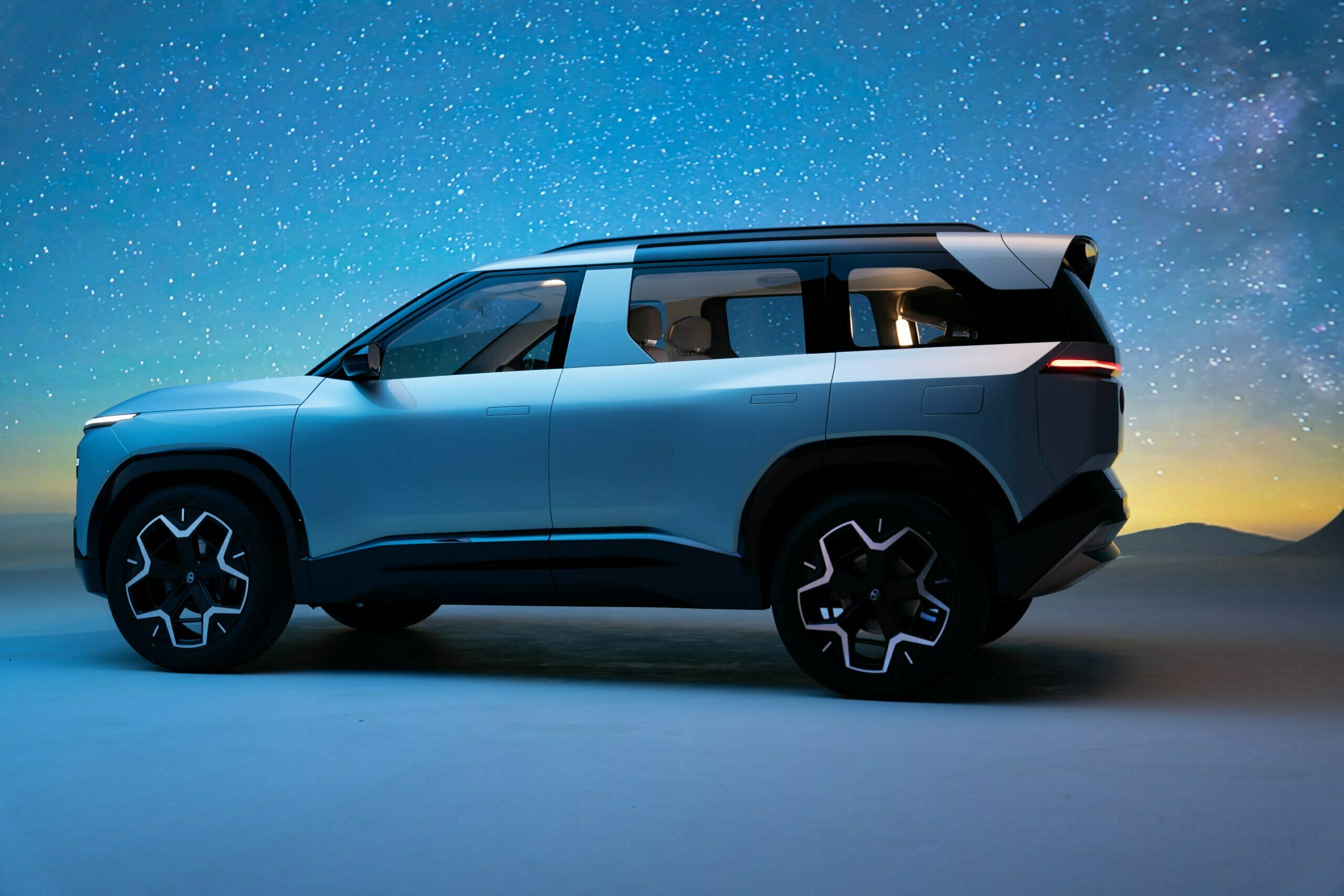
If there is one upcoming car that carries the weight of pure nostalgia combined with the promise of a fully electric future, it is the Sierra EV. The original Tata Sierra, produced between 1991 and 2003, was India’s first monocoque SUV and one of the most distinct-looking cars ever sold in this country. Its revival as a full electric SUV is one of the most emotionally charged automotive moments India will see in years.
The Sierra EV is set to officially debut on May 19, 2026. Built on Tata’s Gen 2 Acti. EV platform, the same architecture that underpins the Curvv EV and Harrier. It could get the boxy, upright stance, flat bonnet, and signature panoramic rear glass, now joined by a closed-off EV-style grille, a full-width LED light bar up front, flush door handles, and aero-optimised alloy wheels. Inside, the Sierra EV is expected to offer a triple-screen setup: an instrument cluster, central infotainment, and a front-passenger display, along with ventilated front seats, a panoramic sunroof, wireless charging, and Tata’s familiar four-spoke steering wheel with an illuminated logo. The feature list is expected to be extensive, consistent with what Tata has been delivering across its recent EV launches.
Battery options are expected to include 65 kWh and 75 kWh packs. The interesting part will be if Tata decides to offer the Tata Sierra EV with an AWD setup, which could deliver around 390 hp and over 500 Nm of torque. The driving range is likely to be around 500 km with the smaller battery pack and up to 600 km with the larger one. Both rear-wheel-drive and all-wheel-drive variants are planned. Pricing is expected to start at around Rs 20-22 lakh (on-road, Mumbai) for the base FWD variant and go up to approximately Rs 25-26 lakh (on-road, Mumbai) for the top-spec AWD version. For context, the ICE Sierra crossed 1 lakh bookings on its first day of sale, and the electric version looks set to create its own kind of storm.
Know More: Cheapest 7-Seater Gets Even More Features!
Mahindra Vision S
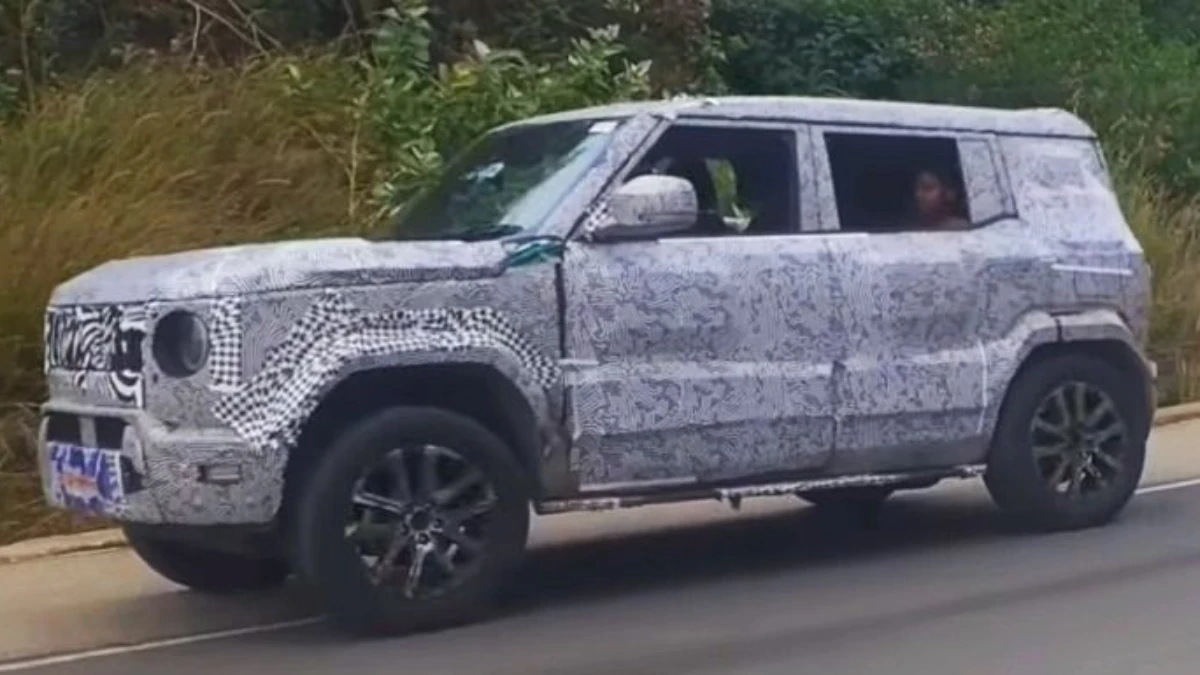
Even under camouflage, the SUV shows a boxy, upright design with clear Mahindra styling. It gets a bold front with a raised bonnet, vertical-slat grille, circular LED headlights, and fog lamps. From the side, it looks strong and planted with large windows, body cladding, 18-inch alloys, and modern flush door handles. At the rear, it keeps classic Bolero touches like a side-hinged tailgate with a spare wheel, along with slim taillights and a simple bumper.
Interestingly, Mahindra has confirmed that the Vision S will be based on the NU_IQ platform, which supports petrol, diesel, hybrid, and electric powertrains, as well as AWD capability. This opens up the possibility of the SUV being offered with multiple powertrain options in the future, and the same platform is set to underpin several upcoming Mahindra models. As seen here, this particular unit is a diesel-automatic, likely powered by the familiar 1.5-litre turbo-diesel producing 115 bhp and 300 Nm.
Petrol options are also expected, including a 1.2-litre turbo-petrol engine producing around 110 bhp and 200 Nm of torque. Transmission choices will likely include a 6-speed manual, a 6-speed AMT, and a 6-speed automatic, giving buyers multiple options based on their driving needs. There is also a strong possibility of an EV version in the future, as brands are increasingly focusing on electric mobility in this segment. Pricing is expected to fall between Rs 9 lakh and Rs 18 lakh (on-road, Mumbai), positioning the Vision S as a strong contender in its segment. The production is expected to begin early next year.
Also Read: 5 Popular Cars Getting Big Updates!
Hyundai Creta – Upcoming Cars in 2026
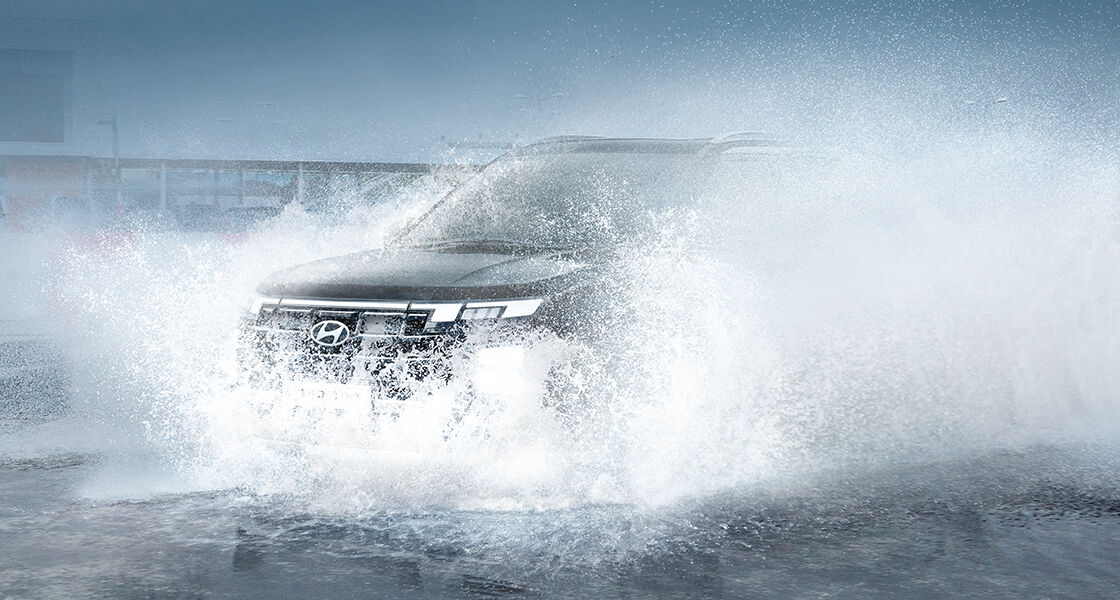
The Hyundai Creta doesn’t need an introduction. It is, by almost any measure, the most important car in India’s mid-size SUV segment, a consistent bestseller that has defined what buyers expect from a family SUV, and after two generations of dominance, a completely new one is on its way.
Internally codenamed SX3, the next-generation Creta is expected to launch in early 2027. It will be built on the third-generation K3 platform, the same one used in the newer Kia Seltos, which means the SUV is likely to grow in size, offering more cabin space and a wider, more premium road presence than the current model. On the inside, big upgrades are expected, including larger screens, better-quality materials, and more features overall. On the safety front, the new platform is also expected to bring improvements such as a stronger body structure, better crash protection, and the possibility of more advanced safety tech, such as ADAS, making the next-gen Creta not just more premium but also safer.
Three engine options are anticipated at launch: The 1.5L NA petrol makes 115 hp and 144 Nm, while the 1.5L turbo petrol delivers 160 hp and 250 Nm. The 1.5L diesel produces 116 hp and 250 Nm, balancing efficiency with strong pulling power. Crucially, Hyundai is also developing a strong hybrid powertrain for the new Creta, based on a 1.5-litre naturally aspirated petrol engine, making it the first Creta to take on the likes of the Maruti Grand Vitara and Toyota Hyryder in their own hybrid territory. It is expected to be priced around Rs 13 lakh (on-road, Mumbai) and going up to Rs 25 lakh (on-road, Mumbai).
Maruti YMC
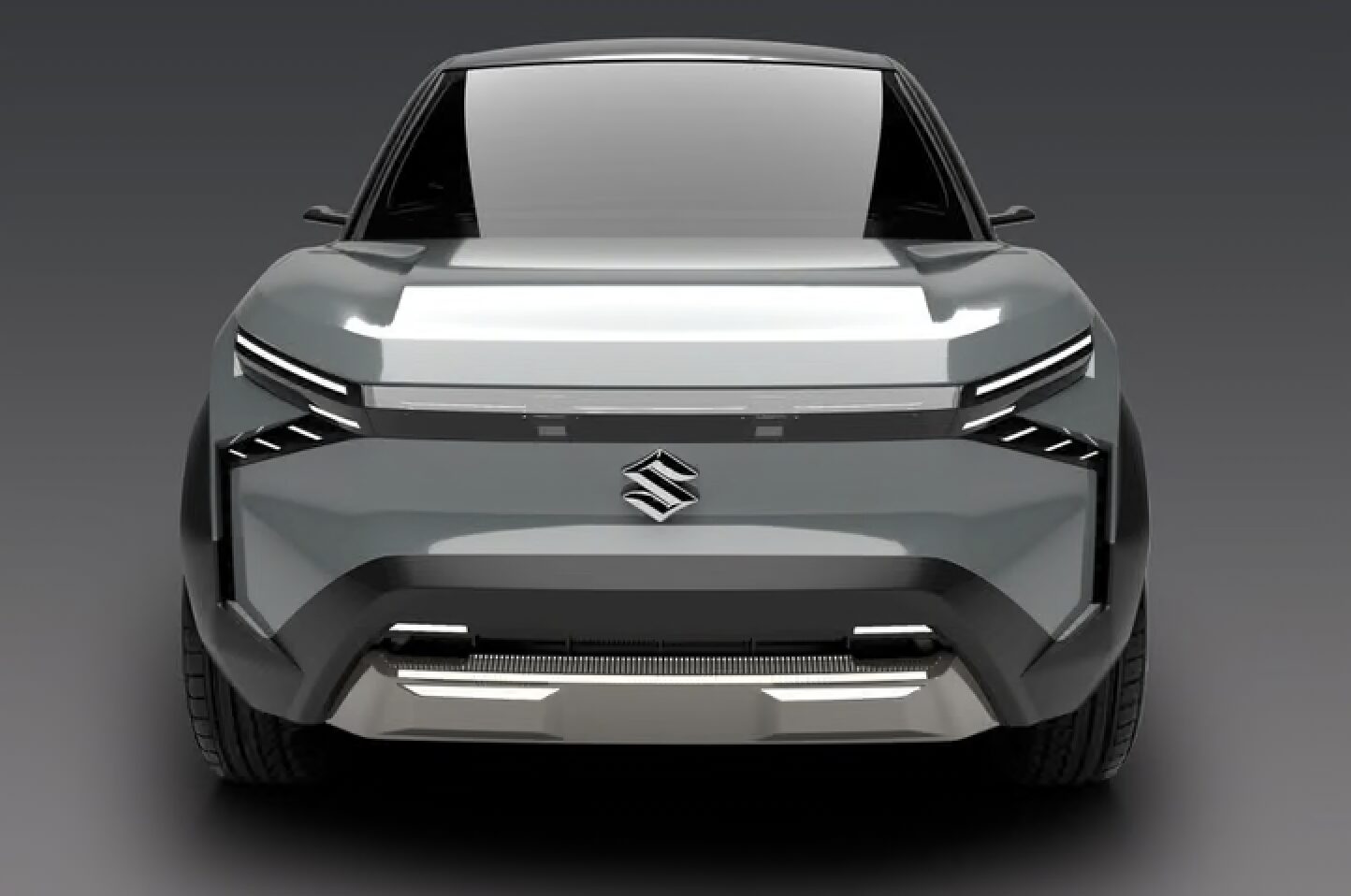
Maruti has never made a proper electric MPV before. But that is about to change. The YMC, currently known only by its codename, is shaping up to be one of the most important cars Maruti has ever built, not just for the company, but for Indian families who want to go electric without compromising on space.
Maruti Suzuki is developing the YMC as a 7-seater electric MPV, built on the HEARTECT-e skateboard platform, the same architecture that underpins the e Vitara. The design is expected to feature an upright, boxy stance with rectangular headlamps, a blacked-out grille with chrome accents, and a practical, family-friendly body shape. Expected features include a dual-screen setup for infotainment and instrumentation, a sunroof, wireless charging, ventilated seats, Level 2 ADAS, and a 360-degree camera. The EV is likely to share interior components and technology features with the Fronx and Baleno, keeping the cabin familiar and user-friendly for existing Maruti customers.
Reports suggest the YMC will be available with two battery pack options, 49 kWh and 61 kWh, both paired with a front-axle-mounted electric motor. The smaller battery is claimed to deliver up to 440 km, while the larger one could offer an impressive 543 km on a single charge. While an earlier September 2026 launch was planned, Maruti’s experience with e-Vitara production delays suggests the YMC could be pushed to early 2027. YMC could be priced between Rs 18 lakh and Rs 26 lakh (on-road, Mumbai).
Know More: Cheapest 7-Seater Gets Even More Features!

Hi, I’m Ravindra Meena , a bike and automobile enthusiast. I share honest reviews, mileage tests, and latest updates about bikes, cars, and EVs to help you make the right choice. Stay connected for real-world insights and trending auto news! 🏍️🚗