For new-car buyers in India, the petrol-versus-diesel debate has become increasingly convoluted. The uncertainty has only intensified as carmakers shift focus towards electrified powertrains, gradually reducing the emphasis on conventional internal combustion engine (ICE) models. Amid this transition, the key question remains: should buyers genuinely be concerned about investing in a petrol or diesel car today?
Attention Readers! Join us on the WhatsApp Community for daily auto news updates
ICE Cars vs Electrified Cars
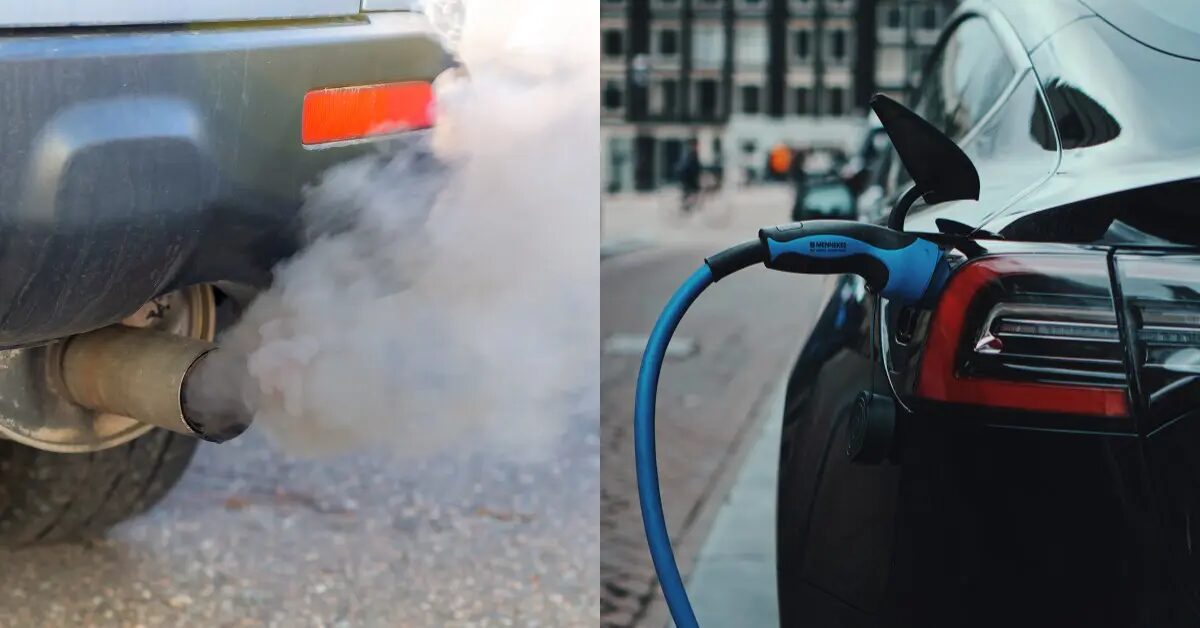
For decades, the choice between a petrol and a diesel car in India was relatively straightforward. Diesel models made sense for high-mileage users thanks to their superior fuel efficiency and lower running costs, while petrol cars appealed to urban buyers for their refinement and lower upfront prices. Today, however, that once-clear distinction has blurred out.
The Indian automotive industry is currently in the midst of one of its biggest transitions yet. Stricter emission norms, rising fuel prices, and the government’s push towards cleaner mobility have prompted carmakers to accelerate investments in hybrid and electric vehicles. In the process, several manufacturers have already phased out diesel engines from smaller models, while others are gradually narrowing their ICE portfolios to make room for electrified offerings.
Naturally, this has left many prospective buyers wondering whether investing in a petrol or diesel car still makes sense in 2026. Concerns around long-term resale value, future regulations, fuel availability and even the possibility of outright bans on ICE vehicles have only added to the confusion.
Also Read – New Skoda SUV Showcased – In Images
Petrol and Diesel Cars Future – Should New Buyers Worry
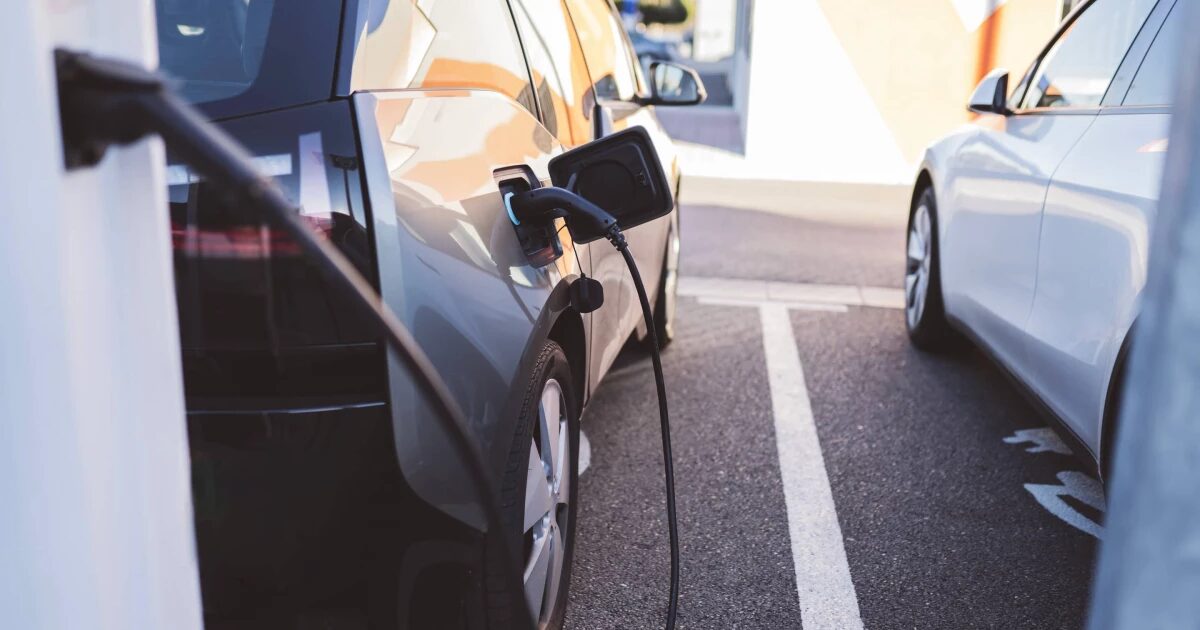
Despite the industry’s rapid shift towards electrification, the reality on the ground tells a more balanced story. Petrol and diesel continue to account for the majority of passenger vehicle sales in India. More importantly, the country’s charging infrastructure and EV ecosystem are still developing, especially outside major metropolitan areas. For many buyers, particularly those undertaking long-distance highway travel or living in regions with limited access to charging, conventional ICE powertrains remain the more practical choice.
Diesel engines, too, remain relevant, especially in larger SUVs and MPVs, where strong torque delivery and better fuel economy still hold a major appeal. Carmakers like Mahindra continue to see demand for their diesel-powered utility vehicles.
At the same time, petrol engines have evolved significantly. Modern turbo-petrol units offer an impressive balance of performance and efficiency, while hybrids are emerging as an effective middle ground for buyers looking to reduce fuel consumption without committing fully to an EV.
Also Read: This Can Be Perfect Toyota Fortuner Replacement!
Final Conclusion
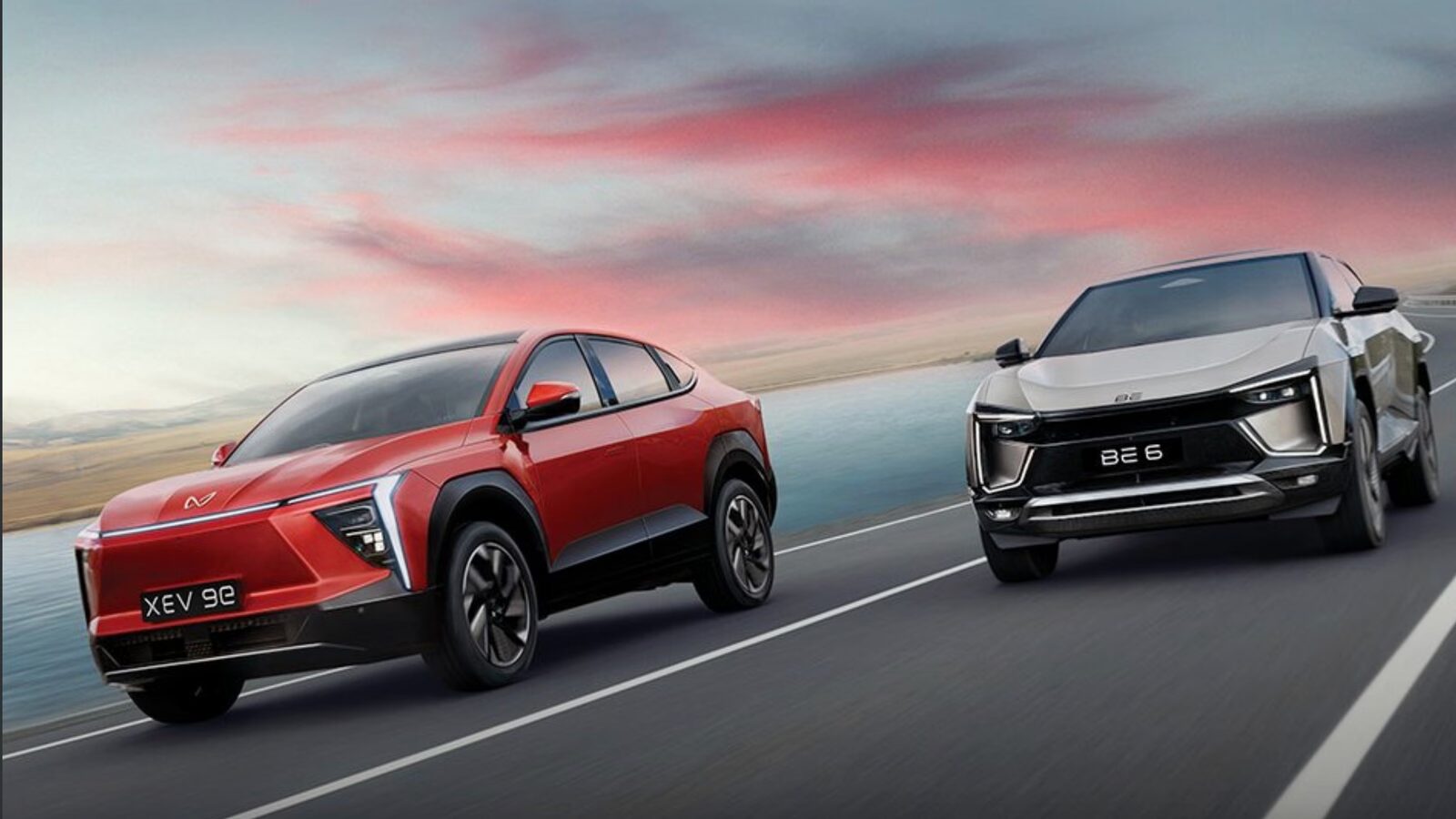
The bigger point is that India’s transition towards electrification will be gradual rather than abrupt. While EV adoption is certainly increasing, ICE cars are unlikely to disappear overnight. Automakers may be prioritising electrified models for future growth, but petrol and diesel vehicles will continue to coexist alongside hybrids and EVs for the foreseeable future.
For buyers, the decision ultimately comes down to usage patterns rather than market noise. High annual running and frequent highway journeys may still justify a diesel. Predominantly, city use and lower running make petrol a sensible option, while hybrids and EVs cater to those willing to embrace newer technologies.
In other words, buyers need not panic about the transitional phase. Instead of worrying about what the market may look like a decade from now, it makes more sense to choose a powertrain that suits present-day requirements. After all, practicality outweighs speculation in the Indian car market.
Also Read: 40KMPL Toyota For The Price Of A Tata Nexon!

Hi, I’m Ravindra Meena , a bike and automobile enthusiast. I share honest reviews, mileage tests, and latest updates about bikes, cars, and EVs to help you make the right choice. Stay connected for real-world insights and trending auto news! 🏍️🚗