The Toyota Urban Cruiser Hyrder was a byproduct of the Maruti Suzuki-Toyota link-up. Back in 2019, Toyota India unveiled the Glanza, a rebadged Baleno. Over the years, they have continued this experiment for the smaller SUVs, with the launches of the Urban Cruiser, Taisor and the Hyryder. Toyota returned this favour by letting Maruti sell the Invicto as a rebadged Hycross.
Additionally, this partnership is not limited to vehicle rebadging. Toyota let Maruti Suzuki use its hybrid technology in its cars. Up until now, when Maruti decided to make its own series-hybrid system, they borrowed a Toyota engine setup for its cars like the Grand Vitara and the Invicto.
One of the few ways to differentiate Maruti cars from Toyota ones is by warranty period and cost. Toyota offers a 3-year or 1,00,000 km assurance, while Maruit-Suzuki provides a standard 2-year or 40,000 km warranty. The Toyota seal of reliability and extended warranty comes at a premium of almost 70,000 rupees for the base variant. Fortunately, the price disparity reduces for the higher variants.
Read more: Toyota Rival With 20kmpl Mileage Gets Cheaper By Rs 2 Lakh!
Despite the price, the Toyota Hyryder has outsold the Grand Vitara. The Hyryder outsold its counterpart by almost 1,000 units. Both manufacturers added a bunch of features to the 2025 models, but neither car has received a significant facelift since its 2022 launch. Toyota may look to introduce a facelift soon, as most of its competitors have been updated since then. Here is all the information you need to know about the upcoming facelift.
Key Details
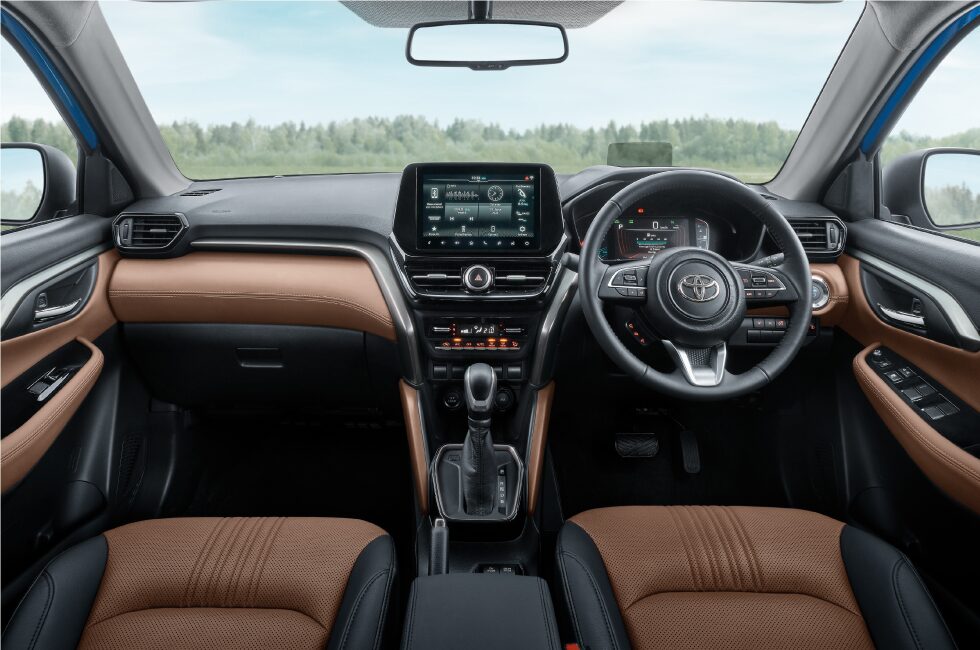
The Hyryder sits in a very competitive segment. Its rivals try to outdo each other by providing the most extensive feature list possible. Toyota recently decided to add features such as an air purifier and an electrically powered driver’s seat to stay competitive in this battle. Despite the inclusion of these features, it misses out on ADAS. Cars like the Creta and Seltos have had ADAS for a long time. This feature is a major miss, and Toyota will need to address this with the facelift.
Toyota decided to make subtle aesthetic changes to the Hyryder to differentiate it from the Grand Vitara. These changes include a distinct front bumper, grille, headlights and taillights. The upcoming facelift would be the most significant makeover the Hyryder has received. They won’t alter the current recipe but make minor tweaks to keep it fresh. A new alloy wheel design and updated front and rear fascias are among the changes expected. The interior could get a new look that matches the newly launched Victoris, but there is no confirmation yet.
The NCAP fared well in the NCAP tests with 4 stars in adult occupancy protection and 3-stars in child occupant protection. These results are better than those of the Korean counterparts, the Creta and the Seltos. And with Toyota offering 6 airbags as standard, the Japanese manufacturer will try to capitalise on this reliable platform and add a few more safety features in the revision.
Read more: What I Like And Hate About The Toyota Hyryder
Powertrain

Toyota’s hybrid powertrain has been a hit with the public. It has been the most influential factor in the popularity of the Hyryder. There are two engines on offer: a 1.5L 3-cylinder Petrol engine used with the strong hybrid systems, and a 1.5L 4-cylinder engine for the mild hybrid and CNG variants. The lower variants come with mild-hybrid technology as standard, while the higher variants feature a strong hybrid system. You can opt for CNG if you aim to minimise your fuel costs. It is yet to be known whether Toyota will adopt the underbody cylinder system from the Maruti Victoris for the Hyryder.
The advantage of these add-on technologies is improved fuel consumption. The mild hybrid variant has a claimed mileage of 21 kmpl, while the strong hybrid models claim a mileage of almost 28 kmpl and an effective driving range of more than 1250 km. Toyota will keep offering a similar setup with the upcoming facelift.
It is also one of the few cars in this segment that offer an AWD drivetrain. Toyota made an update so that the 6-speed automatic gearbox comes as standard with the AWD model. The FWD models provide a choice of a 5-speed manual or a CVT. The gearbox options are said to be carried over in the facelift.
Rivals
This was Toyota’s first attempt at the midsize SUV market, and it was rather successful. It is not an easy segment to compete in, with the established Hyundai Creta and Kia Seltos holding significant market share. Other competitors include Honda Elevate, Volkswagen Taigun, Skoda Kushaq and the Grand Vitara.
This competition will only get tougher with the introduction of the Maruti Victoris. Tata has announced the arrival of the Tata Sierra in the SUV segment. Tata also has plans to launch the Harrier with a turbo-petrol engine, along with Hybrid tech. To pile on Toyota’s misery, even Kia is planning to release the next-generation Seltos, which was recently spied in testing. Hyryder sales are expected to decline, and Toyota will have to make major revisions to stay relevant.
Read more: 5 Reasons Why Tata Sierra Could Be The NEW BEST-SELLER!
Expected Launch and Pricing
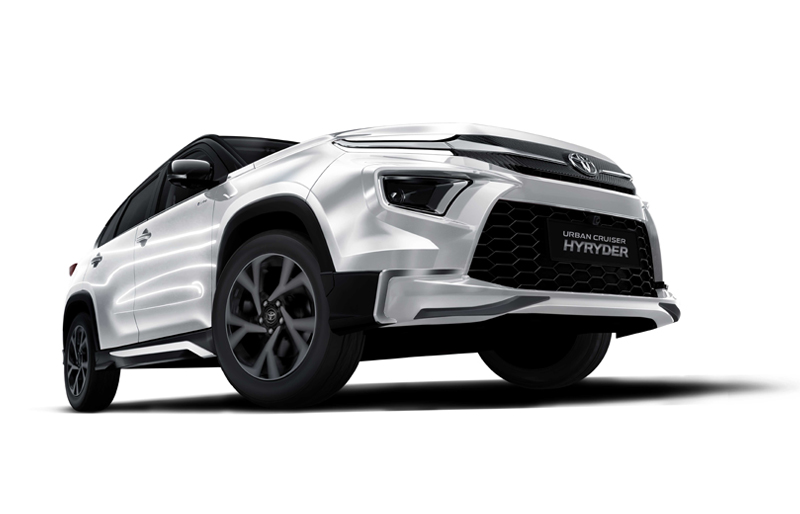
The upcoming launch is set for late 2026. But in the meantime, Toyota has launched a special edition called the Aero edition to boost sales. This package is available across all variants and includes accessories such as a front spoiler, side skirts, and a rear spoiler.
The outgoing model could set you back by 13 to 24 lakhs, depending on the variant you choose. And with a facelift, expect these prices to get slightly steeper by about 40,000-50,000 rupees. Such a price tag matches most of its competitors and does not seem egregious.
Related Posts
- Mahindra Scorpio Facelift – What to Expect? » MotorOctane
- 3 Popular SUVs With Rs 3.50 Lakh Discount! » MotorOctane
- New Royal Enfield Himalayan Launched At Motoverse! » MotorOctane
- Royal Enfield Himalayan Mana Black Launched at Rs 3.37 Lakh
- Tata Sierra Launch Delayed To Save ‘THIS’ SUV? » MotorOctane

Hi, I’m Ravindra Meena , a bike and automobile enthusiast. I share honest reviews, mileage tests, and latest updates about bikes, cars, and EVs to help you make the right choice. Stay connected for real-world insights and trending auto news! 🏍️🚗