Nowadays, you will see the highways flooded with SUVs. But this wasn’t always the case. Some years back, the Honda City dominated the roads, and every other car was a Honda City back then. So why did the City hype die?
Attention Readers! Join us on the WhatsApp Community for daily auto news updates
Genesis (1998-2003)
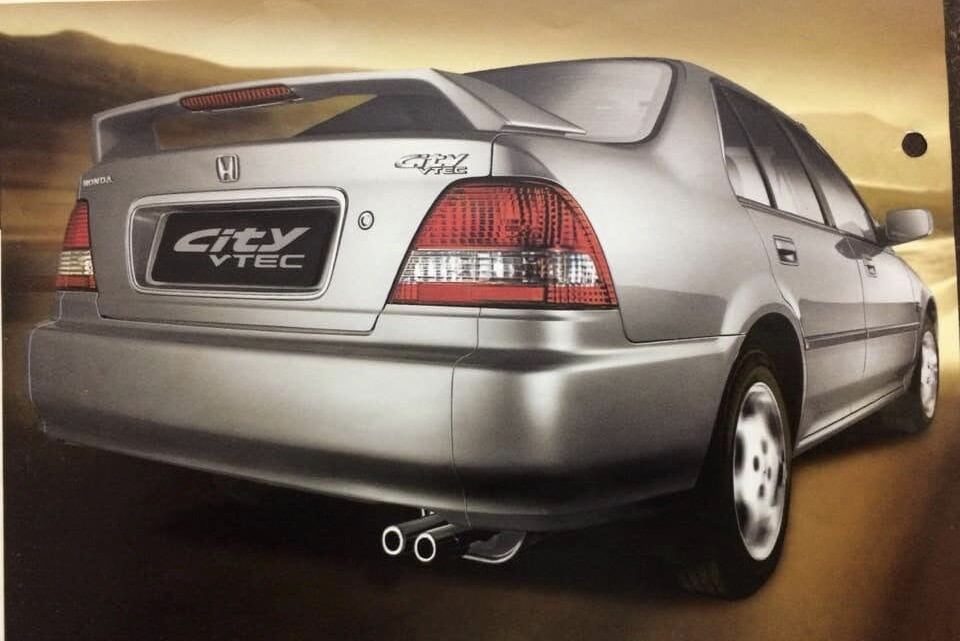
The Honda City started its journey in India in 1998. Back then, it was a fresh face in the hatchback-dominated industry. In the 1990s and 2000s, sedans were seen as a status symbol and depicted luxury. This particularly helped the City’s initial success.
What’s special about the first-gen City was the 1.5-litre i-Vtec engine. It produced a healthy 106 bhp, and in 2000, these were extraordinary numbers. It could hit the 0-100 kmph mark in less than 10 seconds. These numbers are identical to the iconic Volkswagen Polo GT, which was launched 14 years later. The engine was apt for the sporty-looking sedan, and was a breath of fresh air in the 800, Indica, Zen and Santro dominated market.
The engine wasn’t its only strong point. It was a practical sedan with Honda’s seal of reliability. The car was reliable and thus retained its value really well.
Also Read: New Fortuner Rival Spotted For the First Time!
The 2nd Gen (2003-2008)
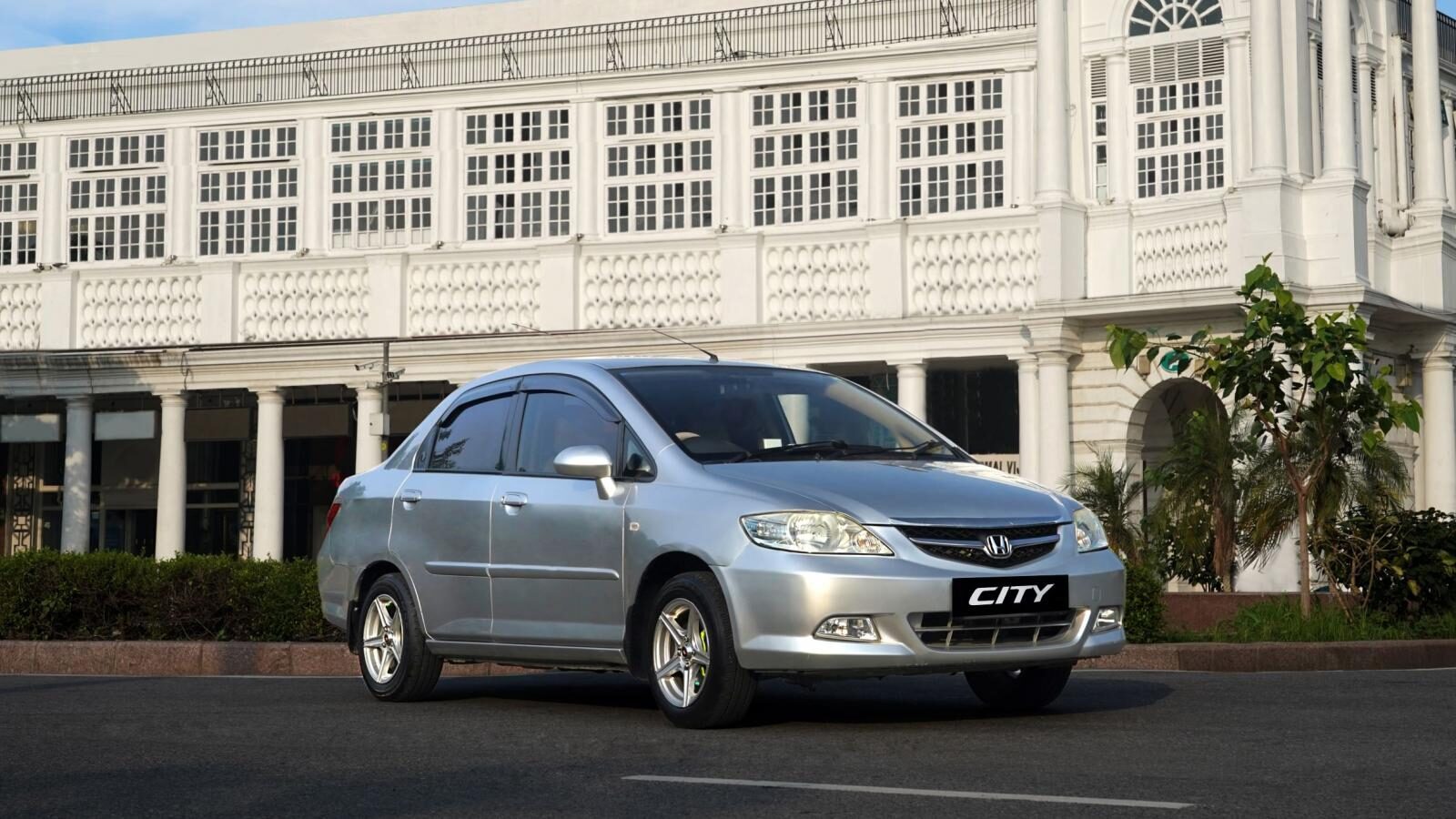
The first-gen City received a decent response, but it was the second generation that really boosted its popularity. Gone was the sporty-looking City, and it became more sober. The design was toned down and the looks weren’t its USP anymore. But that doesn’t mean that it was a flop. This gen was a humongous hit, and every other car on the road was now a City. It was a major reason for the rise in sedan demand throughout the 2000s and 2010s.
It was offered with a rather dull 77-bhp 1.5-litre engine, but it was a delight for the wallets. It was fuel-efficient, and with its CVT gearbox (India’s first), the general Indian public loved it. To further help its case, it had a practical and spacious cabin, along with a generous boot. It had all the tools to be a favourite amongst Indians. Some criticised its looks, but the majority didn’t care since it offered a perfect blend of practicality and fuel efficiency.
Also Read: New BMW Bike Spotted For the First Time!
The Perfect Sedan? (2008-2014)
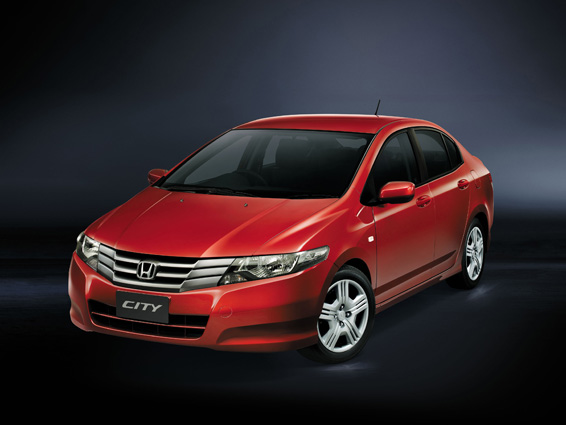
The 3rd-gen is where Honda cracked the code. This City was striking and an improvement over the previous generation. It also came with an exciting 116 bhp 1.5-litre i-VTEC engine and was a driver’s car. To make things even better, its fuel efficiency figures weren’t bad either at 16 kmpl.
This City was not only spacious, but premium. You get safety features like airbags and ABS as standard. Moreover, inside the cabin, it had features such as a sunroof and paddle shifters (for CVT). These features were a revelation in 2009. And, as expected, it was a hit again, and its popularity showed no signs of slowing.
Also Read: Are Superbikes Getting Cheaper?
The Best-Seller (20014-2020)
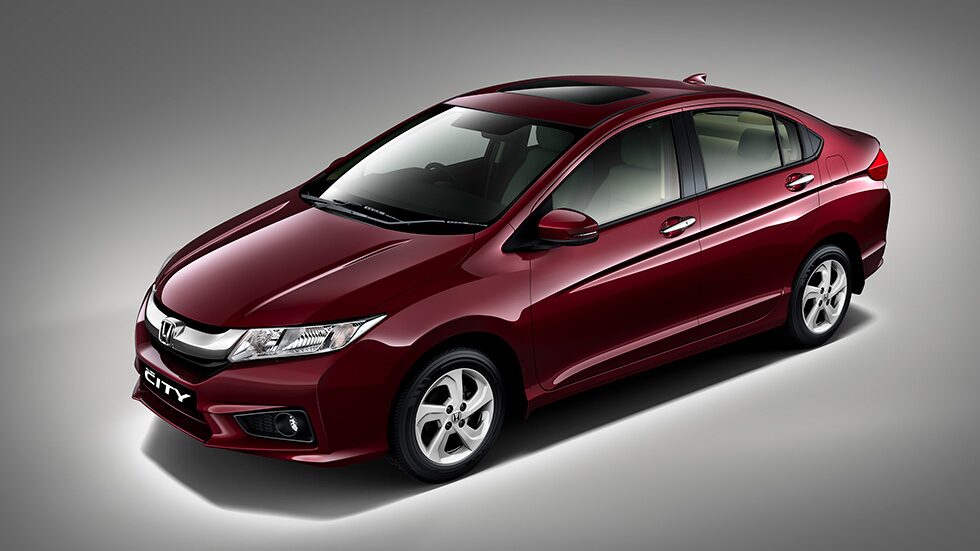
With the 4th generation, Honda gave it an aesthetic overhaul, making it look more sensible and contemporary. The Japanese manufacturer made tweaks to the engine bay, which lowered power figures but skyrocketed efficiency. It now had a claimed fuel economy of 26 kmpl! Furthermore, this version was offered with a diesel powertrain. And during the 2010s, diesels were sought after for their lower fuel costs and exciting low-end torque. It goes without saying that it was a blockbuster and this version was the best-selling of all Hondo Citys.
Also Read: 1 Year Waiting Period On This Popular 7-Seater SUV!
The Current City (2020 – current)
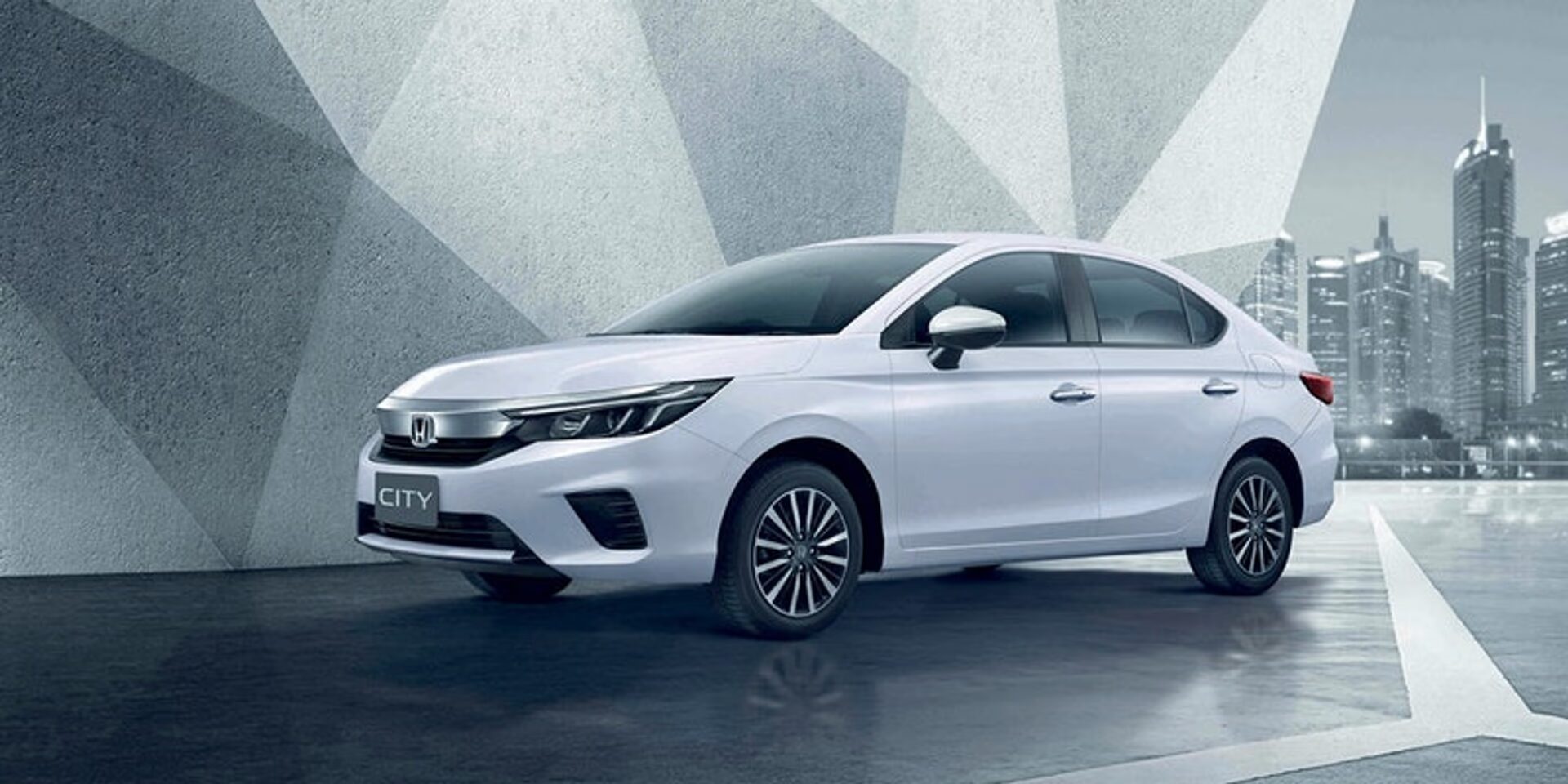
The 5th generation is where the City loses its popularity. Honda did a decent job with this version. It looks attractive and is packed with features. In fact, it was one of the first mass-market cars in India to get Level 2 ADAS. It also has an efficient petrol engine. Honda also tried something new with the City hybrid, achieving a whopping 27 kmpl. Overall, it is still a great car, so why don’t people buy it anymore?
Also Read: This Car Has The Best Resale Value In India!
What Went Wrong?

Once one of the best-selling cars in the country, it barely manages to touch 1,000 unit sales per month. The City suffered the most from the surge in SUV demand. People now desire a commanding driving position and road presence, and are willing to sacrifice handling and fuel economy for it. SUVs like the Creta have eaten up the market for sedans.
Another major issue is the pricing. The earlier models were a budget-friendly alternative to the hatchbacks. You could get a top-of-the-line City for around Rs 15 Lakh in the mid 2010s. But now, the base variant of the City starts at Rs 14.24 lakhs, and the hybrid variant costs a whopping Rs 23.65 lakh (on–road. Mumbai). For a lower cost, you can opt for the Toyota Hyryder or the Maruti Grand Vitara, which boast similar fuel efficiency and better practicality. Other sedans like the Skoda Slavia, Hyundai Verna and Volkswagen Virtus have also taken over the sedan segment. The car that boosted the sedan segment in India has fallen way back in this race.
Honda’s badge is no longer strong enough to keep up with the giants. Other manufacturers have improved the reliability and safety of their cars, and the City does not have the edge over its competition. The increased competition has been the major reason for its downfall. It is up to see whether Honda can turn things around with the next-generation City or discontinue it altogether. Why do you think City’s popularity has gone down? Let us know your thoughts below.
Also Read: 1 Year Waiting Period On This Popular 7-Seater SUV!

Hi, I’m Ravindra Meena , a bike and automobile enthusiast. I share honest reviews, mileage tests, and latest updates about bikes, cars, and EVs to help you make the right choice. Stay connected for real-world insights and trending auto news! 🏍️🚗