Car manufacturers usually bring identical models from global markets to India. This helps them save a lot of money and resources on designing a car from scratch. Sometimes manufacturers have to make changes to Indian-spec models to comply with government norms and Indian demand. Some of these changes can be positive, while some can be negative. Here are some notable omissions that the Indian-spec car gets over the global counterparts.
Hyundai i20
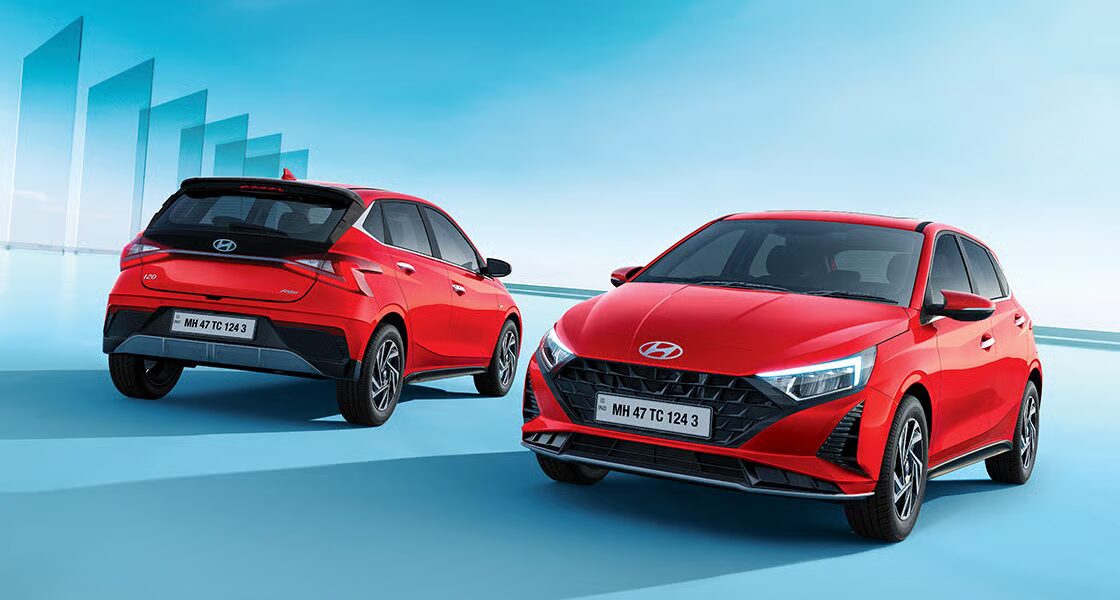
The i20 used to be one of the best-selling premium hatchbacks in India, but has seen a decline in sales recently. You get compact SUVs for the price of an i20, so people look past this hatchback. The UK-spec i20, however, remains competitive in the market. That could be why the UK variant gets a lot of features that the Indian-spec misses out on.
The most significant omission is a fully digital display. The UK-spec gets a massive digital driver’s display, like the one found in the Venue. You also don’t get a front parking sensor and ADAS with the Indian-spec variant. Due to the stricter UK safety laws, you also get Intelligent Speed Limit Warning, Emergency Calling, Autonomous Emergency Braking, and Forward Collision Assistance as standard. The Indian-spec N-line also gets smaller 16″ alloys when compared to the 17″ ones in the UK.
Read More: Why is the Hyundai Creta So Popular?
Maruti Suzuki Swift
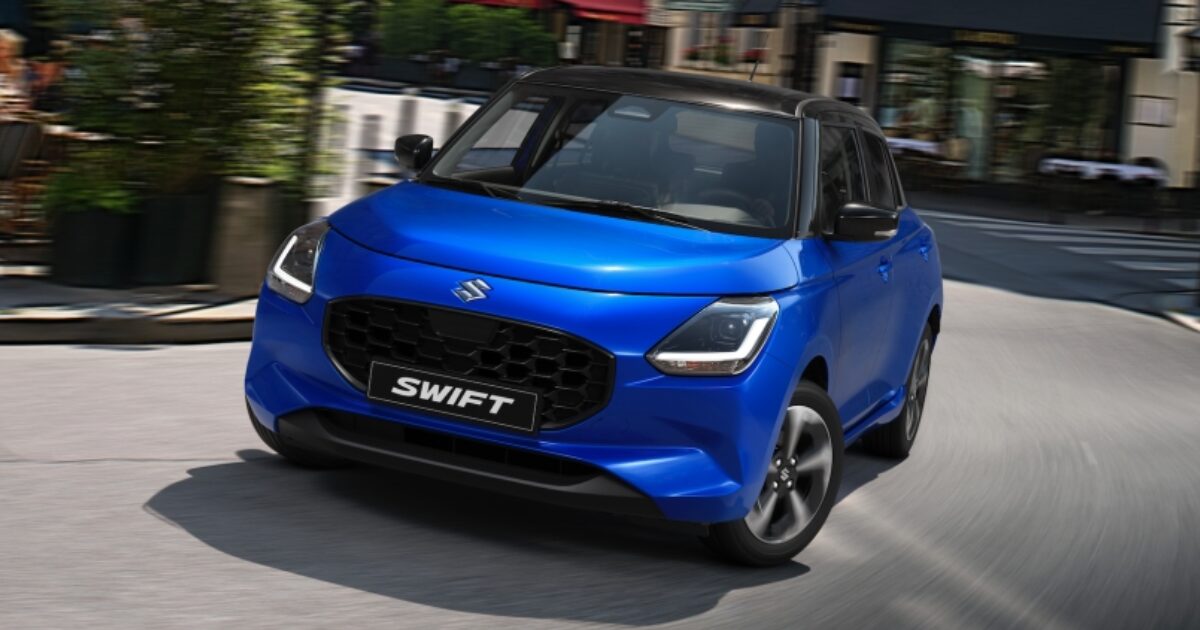
The Swift has been a popular hatchback in the British markets. The Sport trim is a favourite amongst the hot-hatchback fanbase. But the Indian public is starved of this fun. The Swift has been a household name in India since its launch in 2006, but hasn’t lived up to its name “Swift”. The models the Indian public usually sees are toned-down versions, and we are yet to see the Sport variant on the roads.
The UK-spec comes with a mild hybrid as standard. Moreover, the outgoing Swift is sold with a 4WD drivetrain in the UK. It would be fun to imagine a hatchback like the Swift take on the challenging North Indian terrains better than most SUVs in the segment. It is one of the cheapest 4WD cars on sale in the UK. You also get more features like ADAS on the UK spec.
The exciting powertrain options don’t stop there. The prior iteration of the Swift was available with the Sport trim. It came with a 1.4L turbo-petrol churning out 138 horsepower and 220 Nm of torque. And thanks to its short dimension and light weight, it makes up for enjoyable drives. Notably, the Swift Sport is faster from 0-100 kmph than a Virtus GT. The current-generation Swift has yet to get the Sport trim, but given its popularity, it is expected to be launched soon.
But Maruti Suzuki plays it safe with all its cars. They identify that their customer demographic is not interested in fun-to-drive cars or off-road-capable vehicles. Both the Sport and 4WD affect the fuel efficiency, and that is a big No for most Maruti owners. Additionally, Indian manufacturers have tried to release hot hatches, such as the Tiago JTP, Altroz Racer, and Baleno RS, but have failed to attract customers.
Maruti Suzuki WagonR

The WagonR has been India’s go-to choice for affordable hatchbacks. And that is why Maruti designed the outgoing WagonR specifically for the Indian markets. However, the WagonR sold in Japan seems nothing like the one in India. Except for the tall stance, you couldn’t have recognised it as a WagonR. Since it is a KEI car, it is significantly shorter and has a smaller 660cc engine. But Suzuki makes up for these shortcomings by adding plenty of features.
In Japan, the Suzuki Wagon R comes with Level-2 ADAS, automatic climate control, a 360-degree parking camera, and a heads-up display. In India, you don’t get these features on cars that sit in higher price brackets than the WagonR. Now, looking at this feature list, you would expect the Japan-spec to be significantly more expensive, but that is not the case.
You also get it as a 4WD, which seems like overkill in Japan. Furthermore, the WagonR is available with a hybrid powertrain to boost fuel efficiency. Compared to the Japan-spec model, the Indian WagonR has half as many features. Maruti tries to cut costs wherever possible and starves customers of many features, even on higher variants that cost more than 8 lakh rupees. This could also be because if the WagonR got all these features for such an attractive price, people would refuse to buy its other models.
Toyota Fortuner
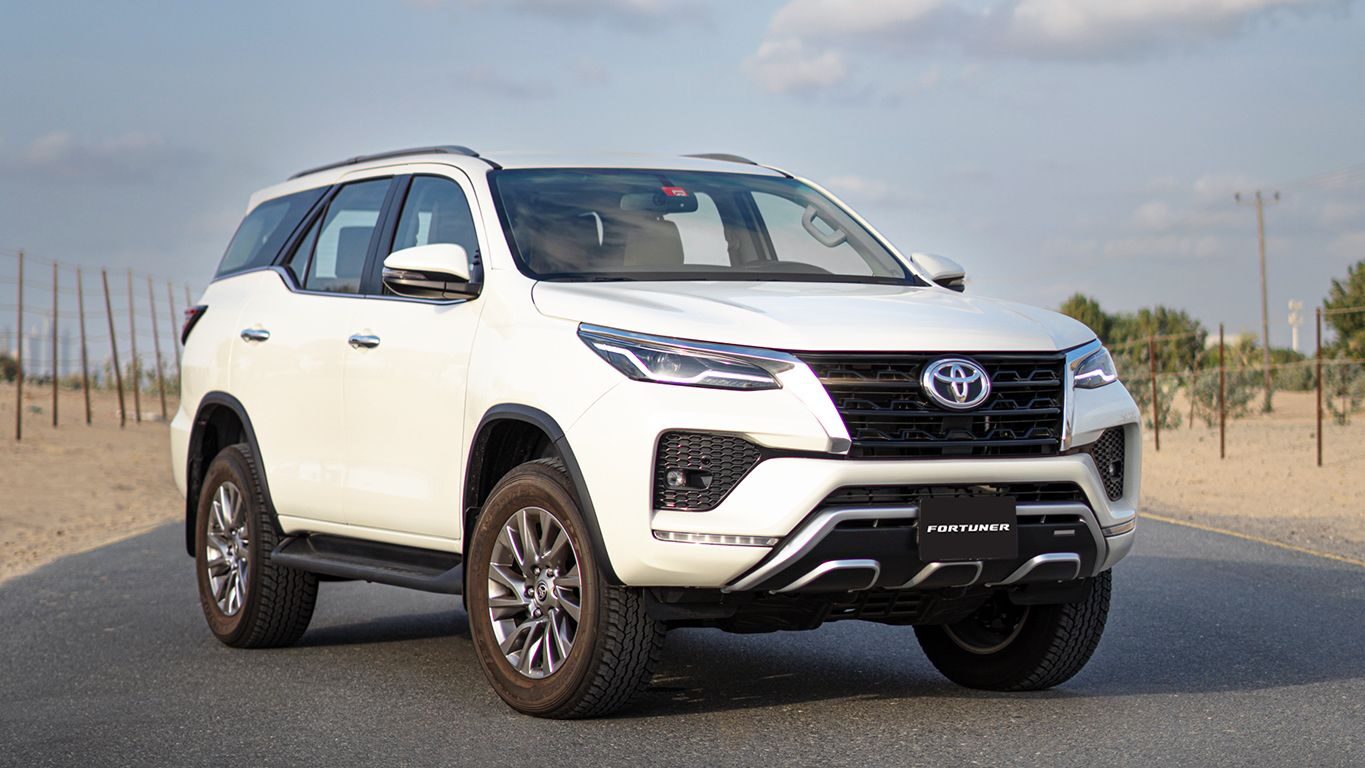
Toyota seems to have forgotten to update the Fortuner, and this appears to be the case across global markets as well. You get the same tiny touchscreen and miss out on features like ADAS and a sunroof in all markets. But there are a few differentiations inside the engine bay.
You get the India-spec unit, with two diesel and one petrol options. The 2.8L turbo-diesel produces 201 hp and 420 Nm for the lower variants, but receives an 80 Nm boost on the higher variants. In comparison, the 2.8L turbo-diesel produces a measly 165 horsepower and 245Nm of torque. The UAE models get a similar 2.7L petrol engine, but you can also opt for the more powerful 4.0L V6. The V6 produces 235 horsepower and 376 Nm of torque.
With diesel sales falling over the years, the V6 could be a great option in the near future. This V6 would be particularly appreciated by people living in Delhi, who are affected by the 10-year Diesel law. The diesel powertrain has been popular with Fortuner owners for its impressive torque, and it is understandable why the India-spec unit doesn’t get a V6. However, the Indian public will also appreciate the V6 engine for its power.
Read More: Hidden Features in Cars – You will be surprised!
Related Posts
- Ford & Renault Coming Together To Launch New Cars! » MotorOctane
- Most Loved Tata Sierra Engine Compared With Rivals! » MotorOctane
- Electric Two-Wheeler Sales Analysis Nov 2025 in India
- New Rs 17 Lakh Creta Rival Launching Tomorrow! » MotorOctane
- You Have Forgotten This Most Powerful 125cc Bike! » MotorOctane

Hi, I’m Ravindra Meena , a bike and automobile enthusiast. I share honest reviews, mileage tests, and latest updates about bikes, cars, and EVs to help you make the right choice. Stay connected for real-world insights and trending auto news! 🏍️🚗