E20-blended fuel has become a national issue. Everyone is worried that E20 fuel is slowly killing our cars, and now the Government has announced a new rule that will further strike fear amongst car and bike owners. Here is what you should know about this new rule.
Attention Readers! Join us on the WhatsApp Community for daily auto news updates
E20 Fuel To Save Your Car’s Life?
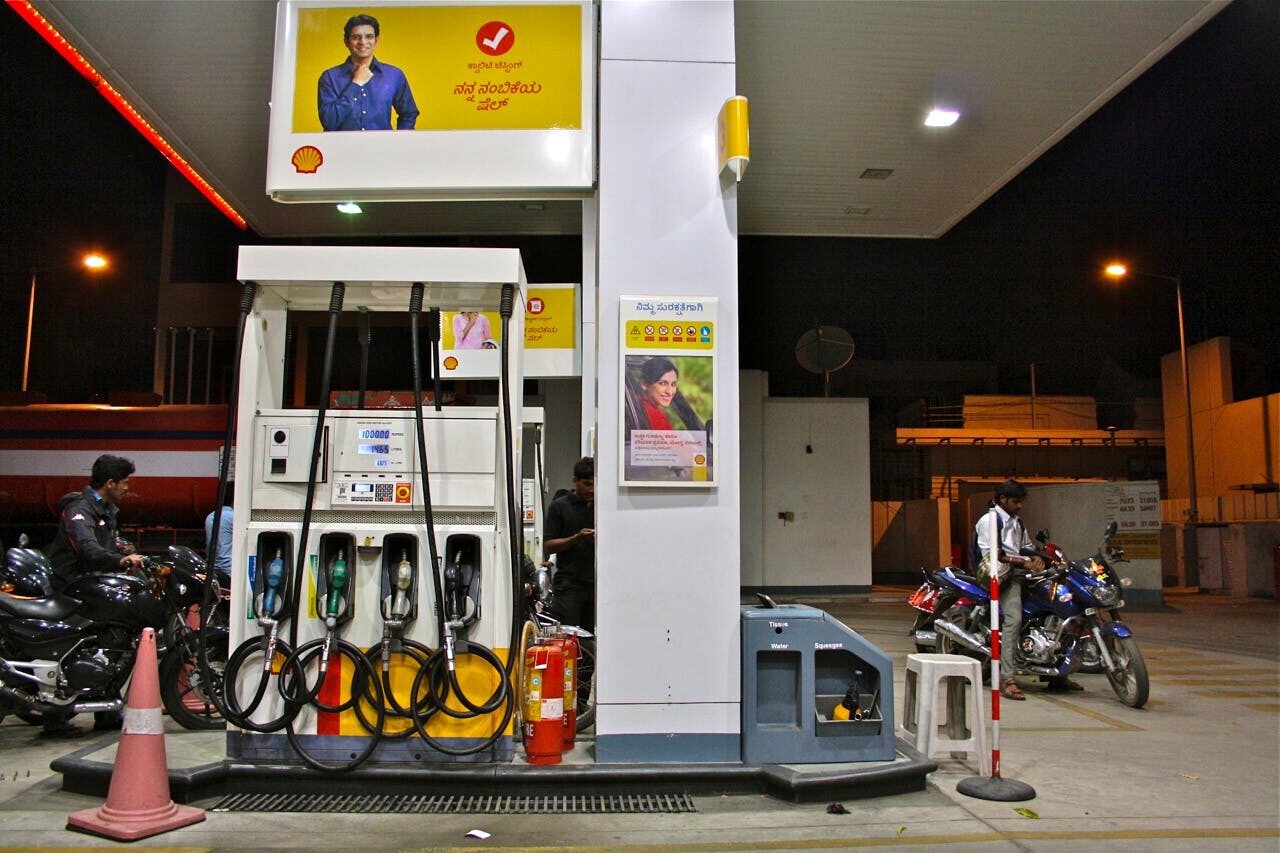
At the moment, the primary grudge that people hold against E20 fuel is that it harms the engines. Ethanol blends can be corrosive to gaskets, seals and other components of older engines. Another issue was a drop in fuel economy caused by the use of blended fuel. But newer cars were engineered to take on such corrosive fuels. People seem to forget that the issue is only applicable to older cars. With this new rule, the government has sought to address these concerns for all vehicle owners.
The Ministry of Petroleum will set a mandate from April 1 for the sale of fuel with a minimum research octane rating of 95 across the nation. The ministry has notified the oil companies of these norms, and this mandate will apply across all cities, states and union territories. This move serves several purposes –
- Saves the Engine
- Reduces Emissions
- Improved Sustainability
- Cut Down Fuel Imports.
But how big of an impact does this rule actually have? What has changed from the older fuel blends, and does it actually help your engine?
Also Read: Top 7 Cars In India – Tata Silently Defeats The Best-Seller!
New E20 Fuel Mandate – Is It Really Useful?
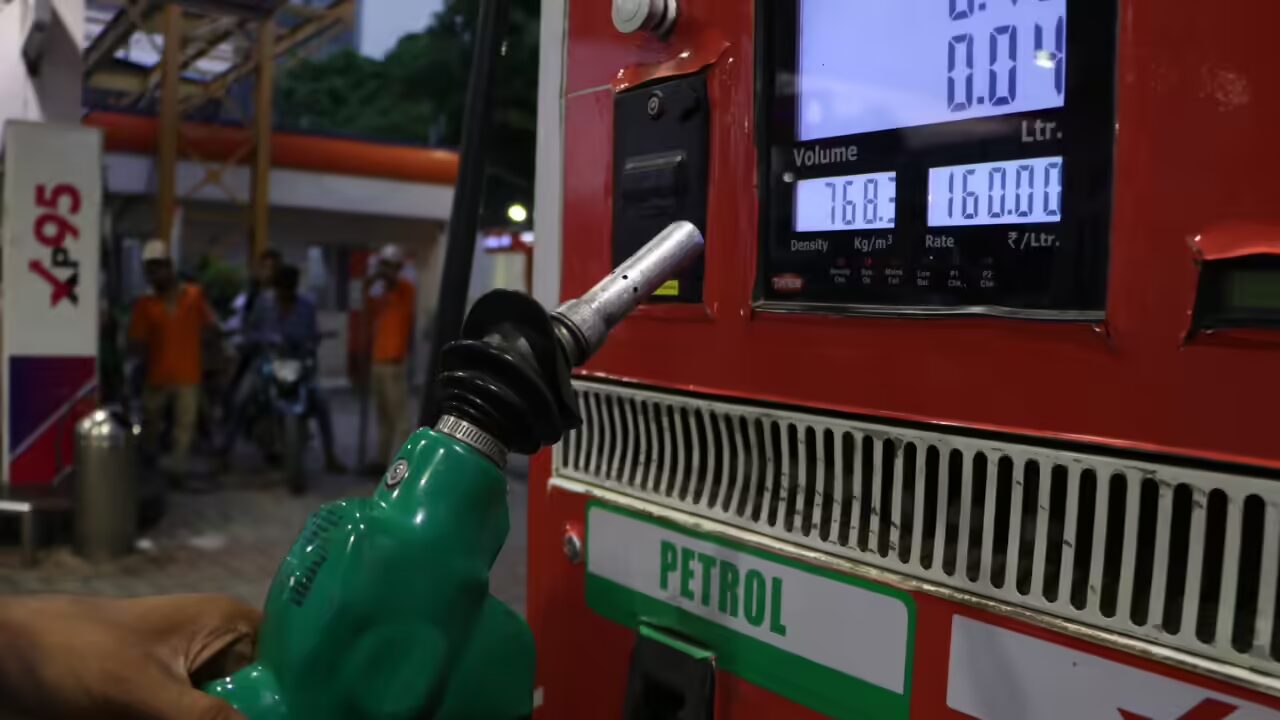
Let us not delve into the chemical composition of petrol or any technicalities; keep it simple. The octane rating determines the resistance to engine knocking. Lower octane fuel increases the likelihood of abnormal combustion in the piston chamber. You would hear a metallic clank if your engine is experiencing knocking. Knocking of the engine usually means that the engine is on its last legs and can go kaput very soon. The higher the octane number, the lower the chances of engine knocking and, in turn, the safer the engine.
Before this mandate, there was no set baseline for the octane number. Many suggest the octane number was around 91, and that this mandate improves fuel quality. And now there is a specific standard that oil companies need to meet. 95-rated fuel once used to be called premium fuel, but now it will be the standard for everyone.
So now your engine is safer than ever, and you don’t need to worry about E20 killing your new cars. Older cars will still be prone to rusting, but the chances of knocking have been significantly reduced. And if you own a newer vehicle (BS6 vehicles), you can breathe a sigh of relief. And now an octane standard has been made standard.
Also Read: New Tata Sierra Rival Launch Confirmed!
E20 – Good Or Evil?
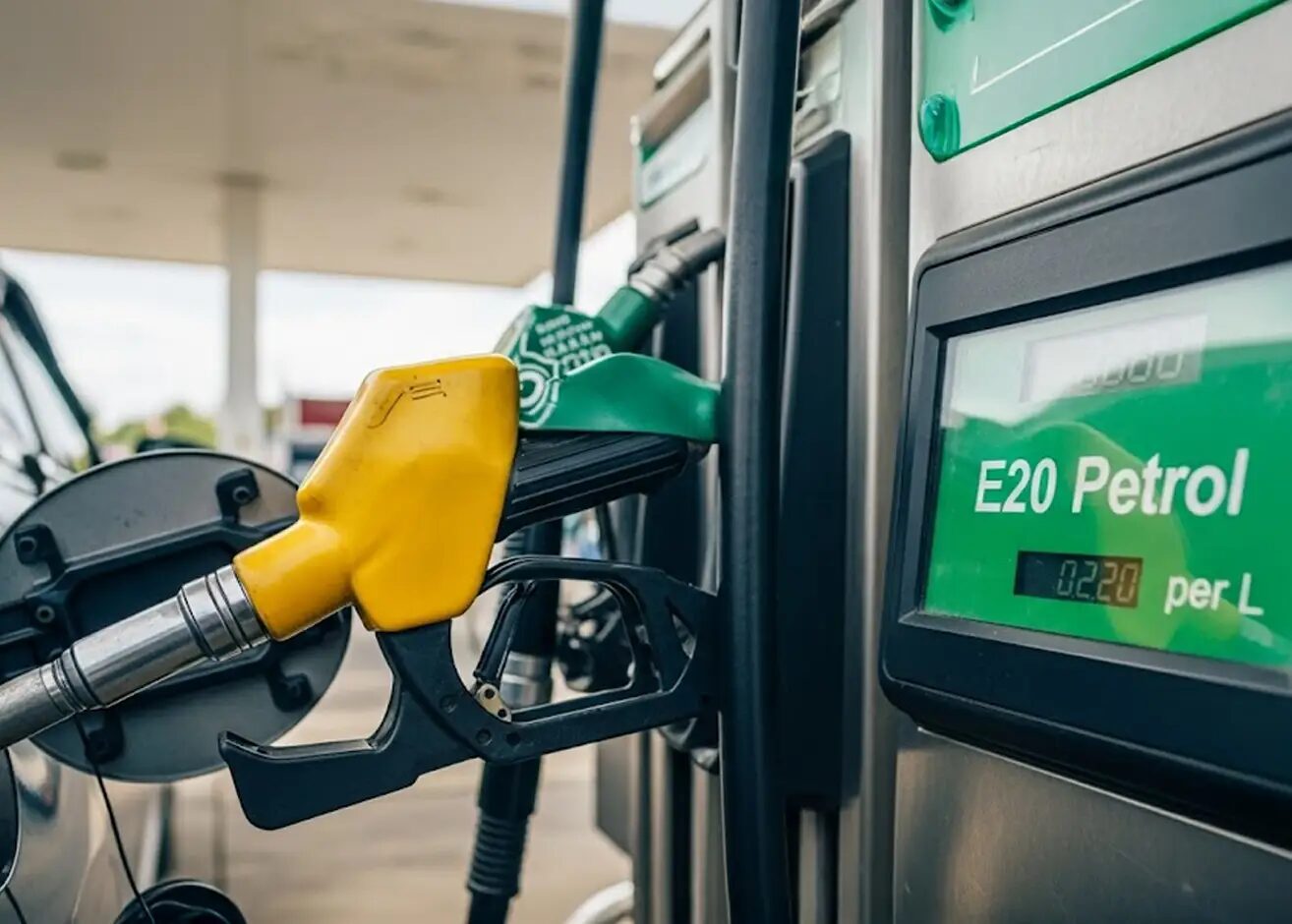
Many people won’t know this, but E20 has actually kept the engine safer than ever. The octane rating of Ethanol is much higher than that of regular petrol, which means that upon blending, the octane rating increases. When E20 fuel became mandatory, the octane rating was expected to have improved slightly.
However, keep in mind that the octane rating does not affect performance. Octane rating has no correlation with the energy capacity of the fuel and is strictly restricted to judging a fuel’s anti-knocking properties. Additionally, we do not yet know whether this rule will cause a hike in fuel costs.
Also Read: Mahindra’s Sporty Family SUV Confirmed!

Hi, I’m Ravindra Meena , a bike and automobile enthusiast. I share honest reviews, mileage tests, and latest updates about bikes, cars, and EVs to help you make the right choice. Stay connected for real-world insights and trending auto news! 🏍️🚗