Emission norms have been a big problem for many manufacturers in India. In fact, Maruti suffered losses of up to Rs 1,000 crore due to BS6 norms. And now these new emission norms have worried Mahindra and Tata. So what are these automakers worried about?
Attention Readers! Join us on the WhatsApp Community for daily auto news updates
New Emission Norms
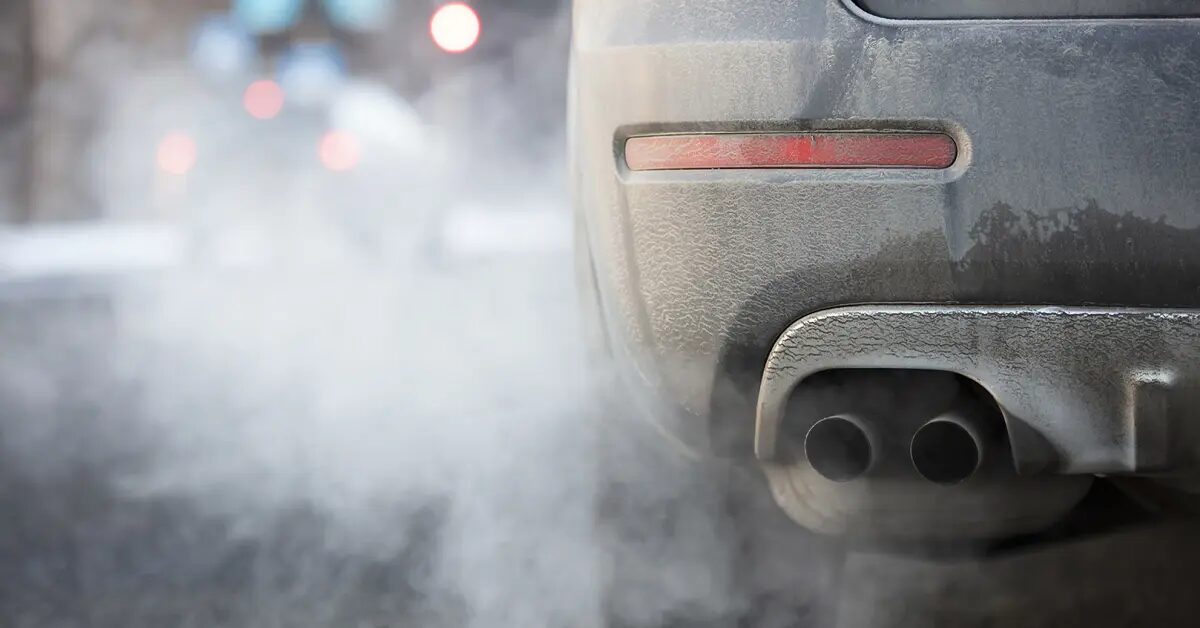
Emission norms have been set in place to regulate the amount of greenhouse gases a car produces. And there are two main norms that car manufacturers have to follow – BS (Bharat Stage) and CAFE . Today we are talking about the latter.
The Corporate Average Fuel Efficiency (CAFE) norms regulate the CO2 emissions in models that weigh less than 3,500 kg ( which means all passenger vehicles). Every 5 years, these norms are updated and made stricter to minimise the CO2 emissions. It also pushes manufacturers to adopt alternative fuels such as CNG, flex fuel, and EVs.
The next set of CAFE norms is scheduled for April 2027, and automakers are trying their best to comply with these rules. At the moment, the average fleet emissions are restricted to 114 g/km (grams per kilometre). With these norms in place, the plan is to reduce them to 100 g/km. The technical specs may be difficult to make sense of, but all you need to know is that manufacturers go to great lengths to get the emissions down by even 1 g/km. A 14 g/km reduction is a significant amount to cut down on. Automakers, like Tata and Mahindra, are worried about these new CAFE 3 norms and here’s why.
Also Read: PM Modi To Bring Back Your Favourite Ford SUV?
Why Are Mahindra And Tata Worried?
In the drafts of CAFE 3 norms, a proposed concession (allowance or a grant) gave small-car manufacturers significant leeway. Petrol cars smaller than 4 metres that weigh less than 909 kg and have engines smaller than 1200cc could claim a 3g/km reduction on each car. This number may not seem significant to the naked eye, but when you factor in the volume of cars Maruti sells, it is huge. In fact, Maruti has a 95% share in this category.
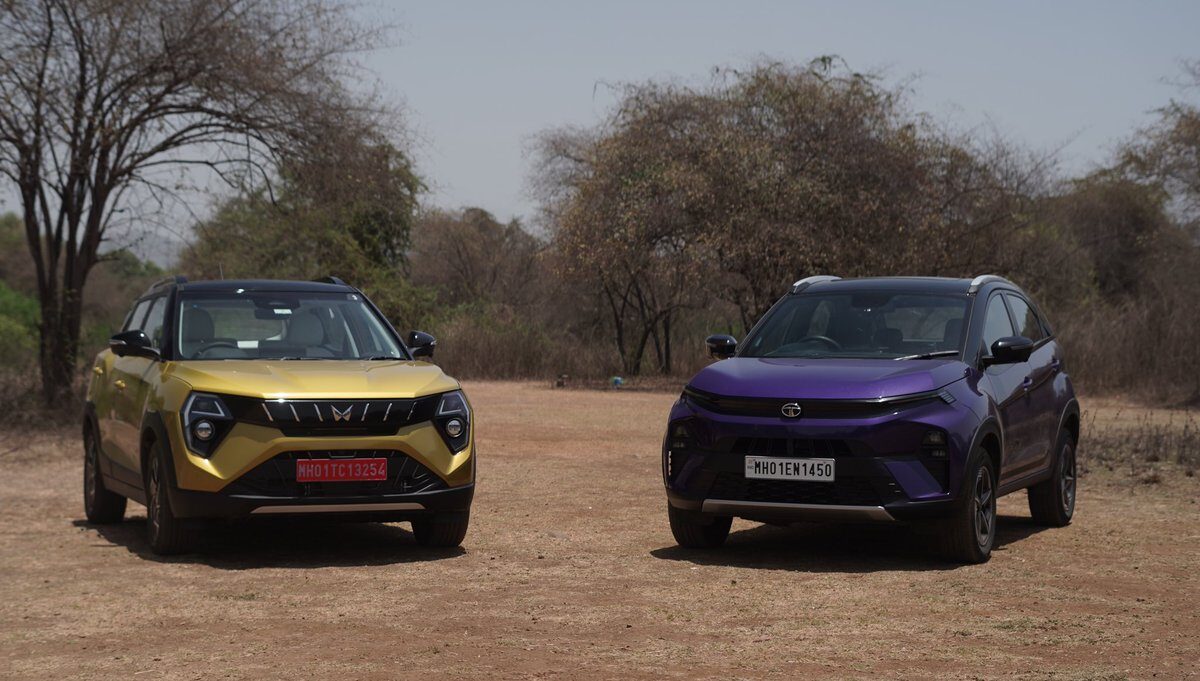
These norms can be particularly difficult for manufacturers like Tata and Mahindra, who manufacture heavier cars that require bigger engines and produce more pollutants. On the other hand, it is easier for Maruti to comply since its lineup mostly includes lighter and smaller vehicles. To make matters worse for Maruti’s competition, a concession was proposed to make Maruti’s job even easier and the disparity with its competition would widen.
Opposition, including Tata and Mahindra, thought this move was biased in favour of Maruti and opposed it. This argument worked, and the proposal has now been rejected. These norms will be equivalent to all automakers. If manufacturers fail to comply with these norms, they will face a fine of $550, around Rs 50,000, for each car.
Also Read: Kia To Copy Hyundai To Solve Its Biggest Problem?
What’s Next?

With the CAFE 3 norms, automakers are being pushed to promote EVs and plug-in hybrids. Companies that sell such cars will be rewarded thanks to a credit-based system. Over the next 5 years, if EV sales reach 11% of total car sales, we could see average emissions drop to 76 g/km.
Some are already planning for this change as manufacturers like Maruti and Toyota have announced their first EVs. Maruti is even planning to introduce flex-fuel and its new hybrid technology soon. Along with that, brands like Tata, Mahindra, Vinfast and others are expanding their EV lineups.
Also Read: Can You Get Performance Car At The Price Of Creta?

Hi, I’m Ravindra Meena , a bike and automobile enthusiast. I share honest reviews, mileage tests, and latest updates about bikes, cars, and EVs to help you make the right choice. Stay connected for real-world insights and trending auto news! 🏍️🚗