The 2026 Delhi EV Policy proposes ban on ICE-powered two-wheelers in the capital city from April 2028 to reduce air pollution
Recently, the first draft of the Delhi EV Policy 2026 was released by the state government. It is open for public feedback and suggestions for the next 30 days before being locked and finalised through an official notification. In the draft, Delhi government has proposed to ban the new registrations of petrol-powered two-scooters and motorcycles from April 2028 as only new electric two-wheelers will be registered from April 2028 onwards in the capital city. However, the final policy will be notified for a period of four years till 2030 only after discussion with all the stakeholders.
Delhi EV Policy 2026: Two-Wheeler Subsidy
Apart from proposing a ban on petrol two-wheelers, the Delhi EV policy is offering massive subsidies and incentives on the purchase of electric two-wheelers. In the first year from the date of notification, the electric two-wheelers will be eligible for maximum incentives of Rs 30,000 (Rs 10,000 per kWh), depending on the size of the battery pack.
In the second and third years, the subsidy has been reduced to Rs 20,000 (Rs 6,600 per kWh) and Rs 10,000 (Rs 3,300 per kWh), respectively. The electric two-wheelers, manufactured locally in India, with ex-showroom price lower than Rs 2.25 lakh will get these subsidy benefits. In addition, the customers replacing their existing BS4 or older petrol two-wheelers with an electric model will be able to get an extra incentive of Rs 10,000.
| Year of Registration | Subsidy |
| 1st Year from the date of Notification | Rs 10,000 per kWh (up to Rs 30,000) |
| 2nd Year from the date of Notification | Rs 6,600 per kWh (up to Rs 20,000) |
| 3rd Year from the date of Notification | Rs 3,300 per kWh (up to Rs 10,000) |
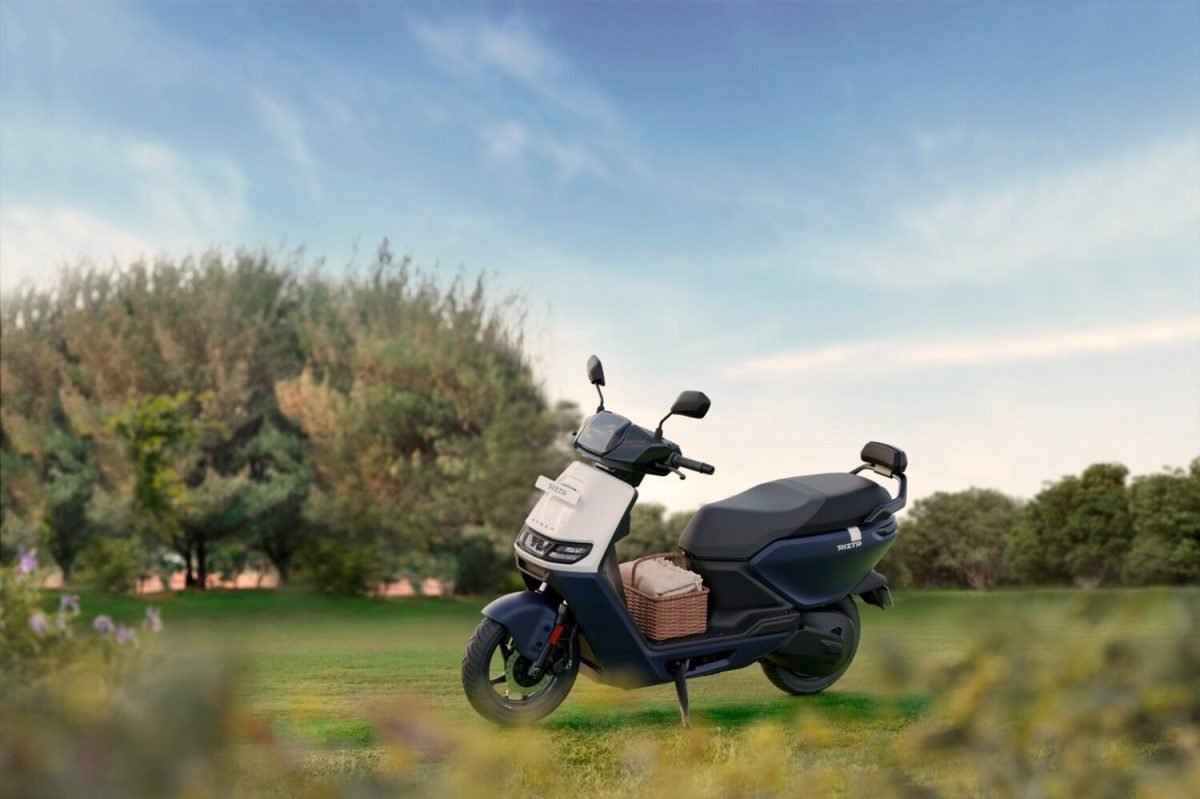
The EV policy will give significant boost to the leading EV brands in the Indian market. Not only the pure EV companies like Ather Energy (Rizta and 450) and Ola Electric (S1 and Roadster X), but also the legacy players such as TVS Motor Company (iQube and Orbiter), Bajaj Auto (Chetak EV) and Hero MotoCorp (Vida V2 and Vida VX2) will be the biggest beneficiaries of the 2026 Delhi EV Policy.
Delhi EV Policy 2026: Important Details
As per the policy draft, it intends to reduce the levels of air pollution in the capital city by phasing out petrol-powered two-wheelers from April 2028. The vehicular emissions have a contribution of around 23 percent in Delhi’s pollution. The EV policy draft also mentions Article 21 of the Constitution which grants every citizen of India the Right to Clean Air.
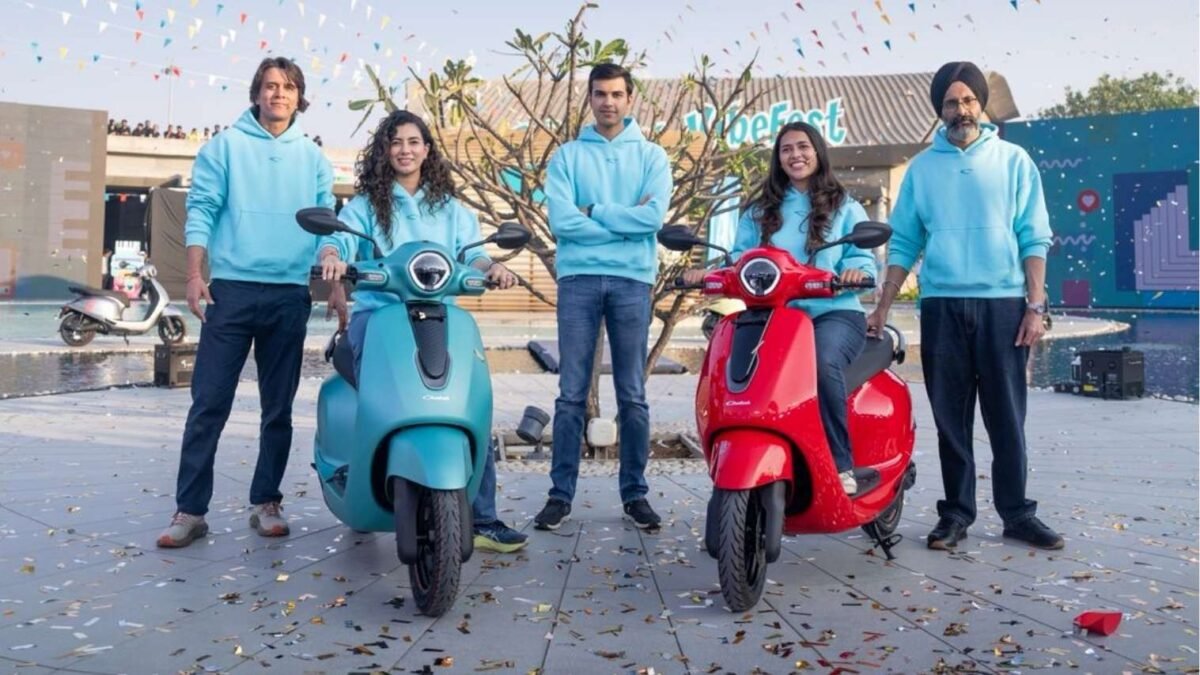
Pankaj Kumar Singh, Health Minister, Government of Delhi, said that over 1 lakh EVs (including two-wheelers and four-wheelers) have been registered in the capital city in the last one year. The officials involved in creating the EV policy stated that it is being rolled out to reduce dependency on fossil fuels and improve air quality in the city, which is grappling with pollution every year during winters.

Hi, I’m Ravindra Meena , a bike and automobile enthusiast. I share honest reviews, mileage tests, and latest updates about bikes, cars, and EVs to help you make the right choice. Stay connected for real-world insights and trending auto news! 🏍️🚗