Maruti Suzuki entered the premium hatchback segment in India with the Swift. The car became an instant favourite with the Indian public. The Swift sat atop Maruti’s hatchback hierarchy, above the likes of 800, Zen Estillo, Alto and Wagon R. Every rendition of the Swift has been a success on the sales charts, and now Maruti has decided to update the current 4th-generation Swift. Here is everything you need to know about it.
Key Details
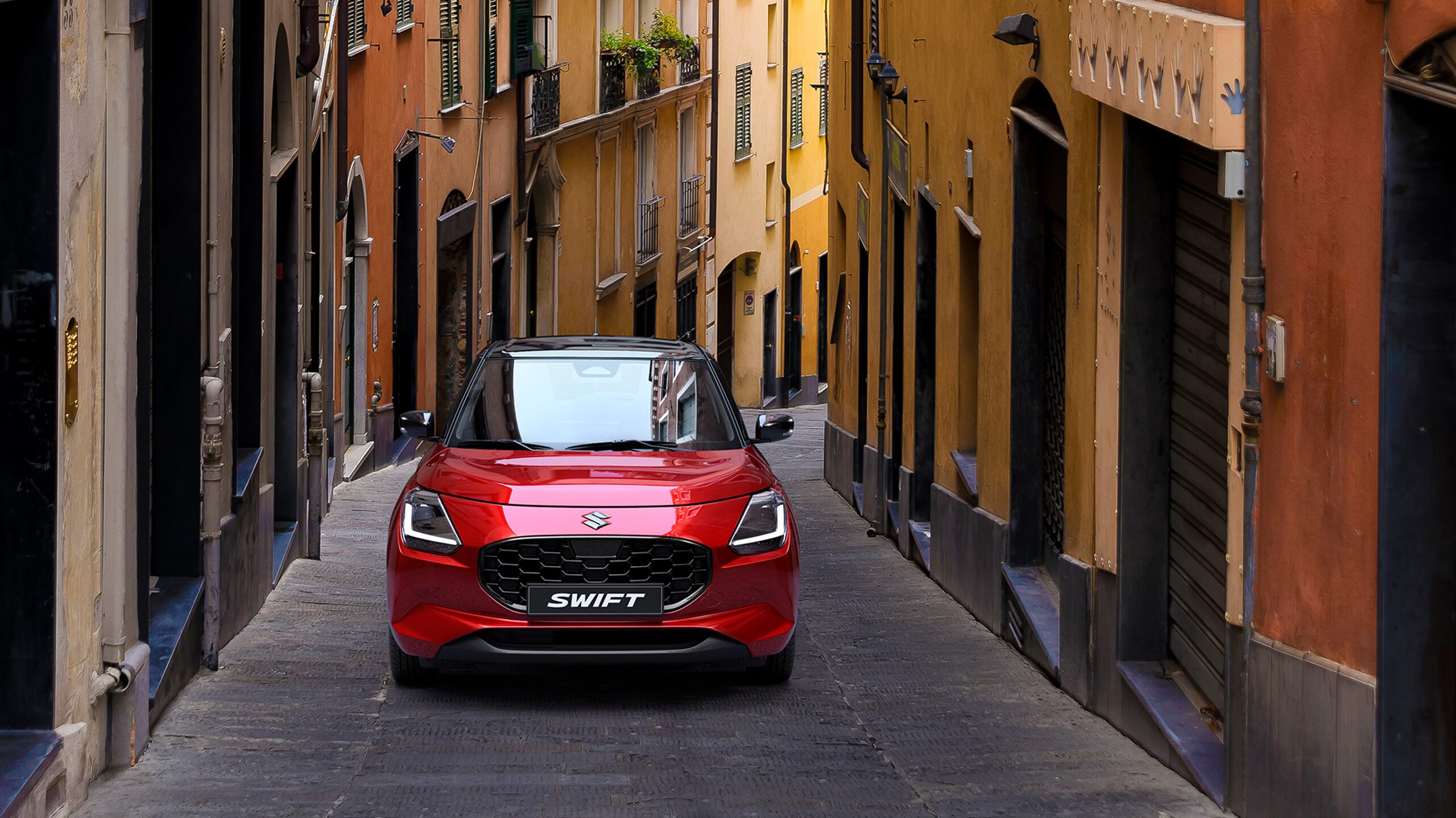
The Swift got a thorough update in 2024. The most significant change in the design was a new clamshell bonnet, a gloss-black front grille, and sharper headlights and taillights. It seems unlikely that Maruti would make a drastic change for its facelift, but you can expect chrome accents and slight tweaks to the grille to freshen it up.
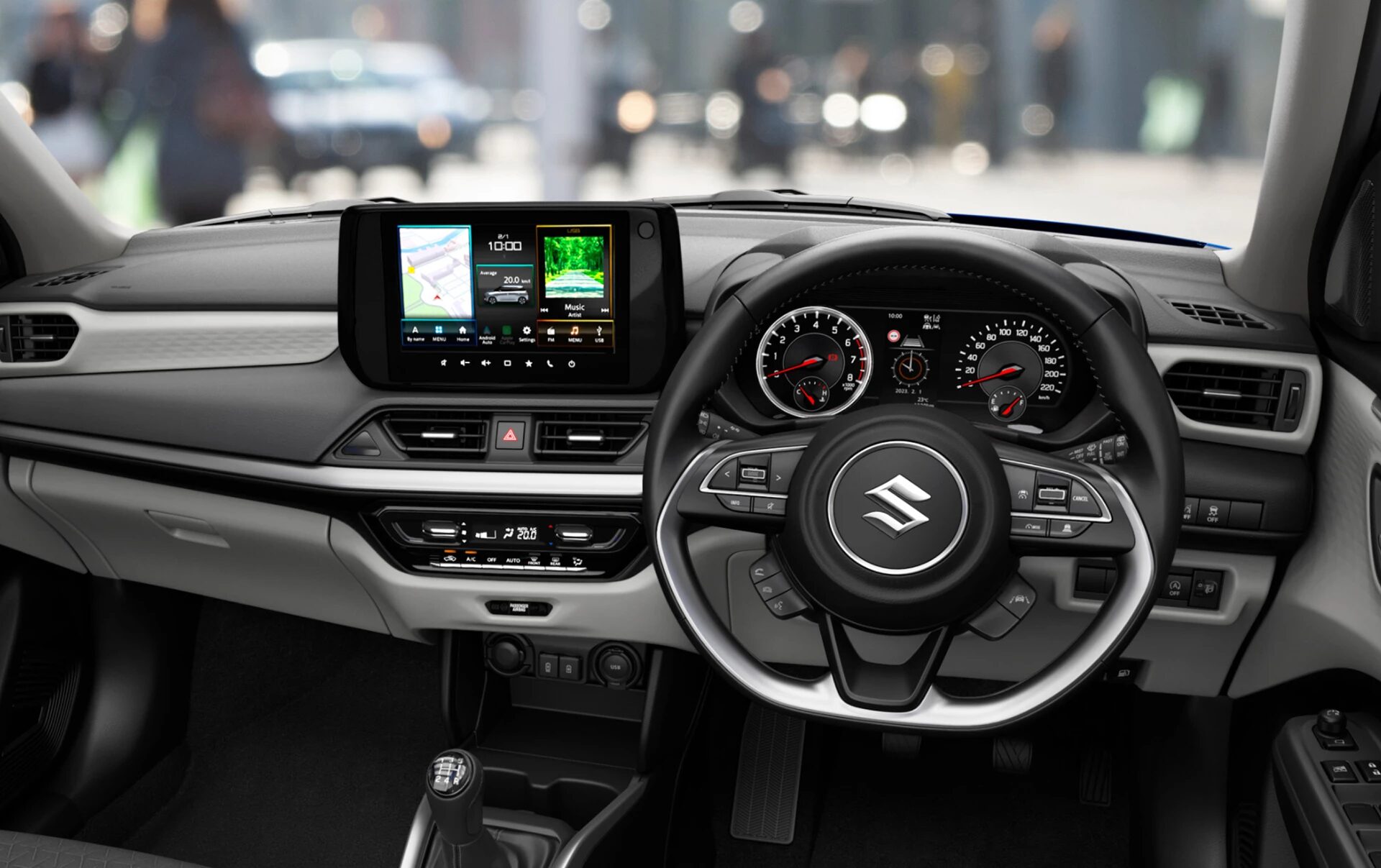
The cabin will remain mostly unchanged. There might be a few changes in the equipment list. The current Swift lacks amenities like a sunroof and ADAS. The Swift built for the Japanese and UK markets comes equipped with ADAS. Maruti won’t be adding the ADAS feature to its lower variants, but it could be exclusive to the top-end variants.
The new Swift Dzire scored a solid 5 stars in Bharat NCAP, but the Swift is yet to be tested at Bharat NCAP. Both these cars share the same platform, and it is expected that the Swift will fare well as well. Maruti has decided to offer its range with 6 airbags as standard, which will appeal to potential customers.
Read more – New Suzuki Swift Scores 1 Star But You Shouldn’t Worry!
Powertrain Changes
You don’t get a plethora of engine options to choose from. A 1.2L 3-cylinder Petrol engine is prevalent across all variants. The CNG model uses the same engine, and Maruti plans to continue using it with a hybrid system. A series-hybrid platform, one where the IC engine powers the electric motor, has been under development for quite some time. It is well known that they plan to unveil this technology in India with the Fronx.
The changes do not stop there. The brand-new Victoris gets a distinct underbody cylinder configuration for its CNG variant. Maruti will try to implement this same technology in the Swift CNG variants. They have been attempting this innovative solution with the upcoming Vitara Brezza Facelift as well. The primary purpose of this change is to free up boot space, unlike the Conventional single-cylinder setup, which consumes most of it.
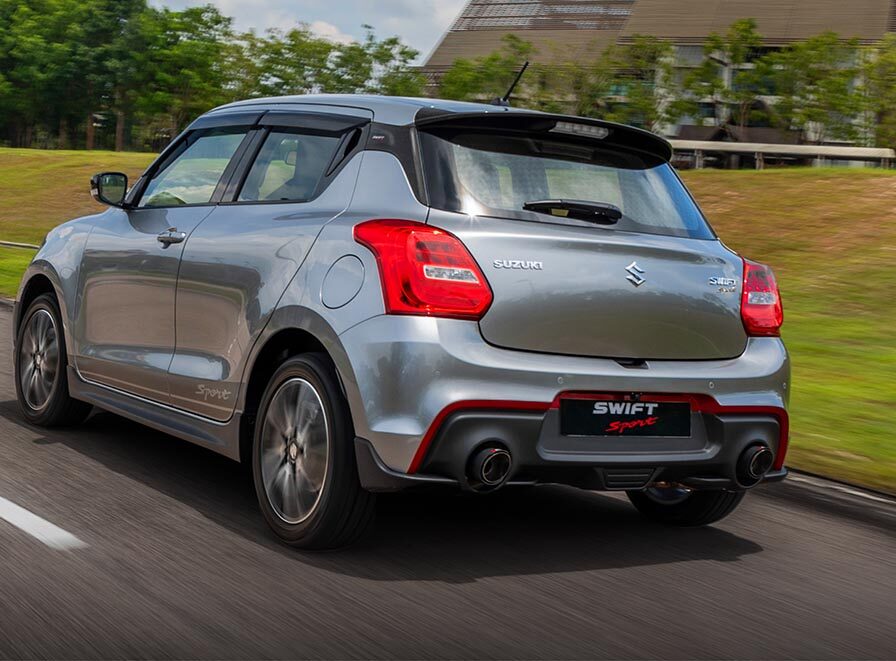
Swift’s 3-cylinder engine aims to maximise fuel efficiency, sacrificing power in the process. The global markets have seen a more exciting range in the past, with the UK-spec offering a sport and a 4WD option. The 4WD option seems impractical for Indian markets; however, the Suzuki Swift Sport could make its Indian debut. Many manufacturers have attempted sporty hatchbacks, with the Polo GT being the most prominent. Suzuki has planned the global launch of the Swift Sport next year, but there are no definitive plans for its Indian release. If launched, it would be introduced with a punchy engine capable of more than 130 horsepower.
Rivals
The premium hatchback segment is in decline with the rise of compact SUVs, yet Maruti achieves significant sales figures with the Baleno and Swift. Its rivals include the Hyundai Grand i10 Nios, Hyundai i20, Tata Altroz, and Tata Tiago. The Swift was pulling customers in significant numbers, but this number has fallen recently. Maruti aims to drive demand with this facelift.
Expected Launch and Cost
Suzuki is said to launch the Swift hybrid by mid-2026. However, Maruti Suzuki’s plans for the Swift Sport remain unclear. Its niche fanbase, higher fuel consumption and a larger price tag could make the manufacturer wary of launching it here. For now, Maruti Suzuki has prioritised the hybrid technology and has an elaborate plan to launch several hybrid models by 2026 and 2027. Swift will be one of those models.
The price range for the outgoing model starts at 6.85 lakh rupees (on-road, Mumbai) and can reach 10.5 lakh rupees for the top model. The hybrid variant would see the most significant price increase, while the lower variants are expected to increase by 10,000-20,000 rupees.
Related Posts
- Upcoming Fortuner Rival Driven Before Launch! » MotorOctane
- Bajaj Auto Becomes Majority Stakeholder in KTM, Acquisition Complete
- Maruti Brezza Facelift – What To Expect? » MotorOctane
- Royal Enfield Flying Flea S6 Could Debut Tomorrow
- Ratan Tata’s Favourite Car At The Price Of OnePlus Phone! » MotorOctane

Hi, I’m Ravindra Meena , a bike and automobile enthusiast. I share honest reviews, mileage tests, and latest updates about bikes, cars, and EVs to help you make the right choice. Stay connected for real-world insights and trending auto news! 🏍️🚗