Maruti Suzuki offers a vast array of hatchbacks. When it was launched in 1999, the Baleno was a sedan. It was Maruti’s attempt at dethroning the City as India’s best-selling hatchback. The attempt was relatively unsuccessful, and the Baleno was discontinued in 2007. In 2016, Maruti relaunched it as a hatchback, and this time, the Baleno was a success. It is solely sold as a Maruti Suzuki Nexa product.
It got minor updates in 2019 and a comprehensive revision in 2022. Maruti Suzuki has added new features over the past few years, but has yet to give the current-generation Baleno a facelift. But that’s about to change, since a facelift is on the way. Here is some information that you need to know about it.
Key Details
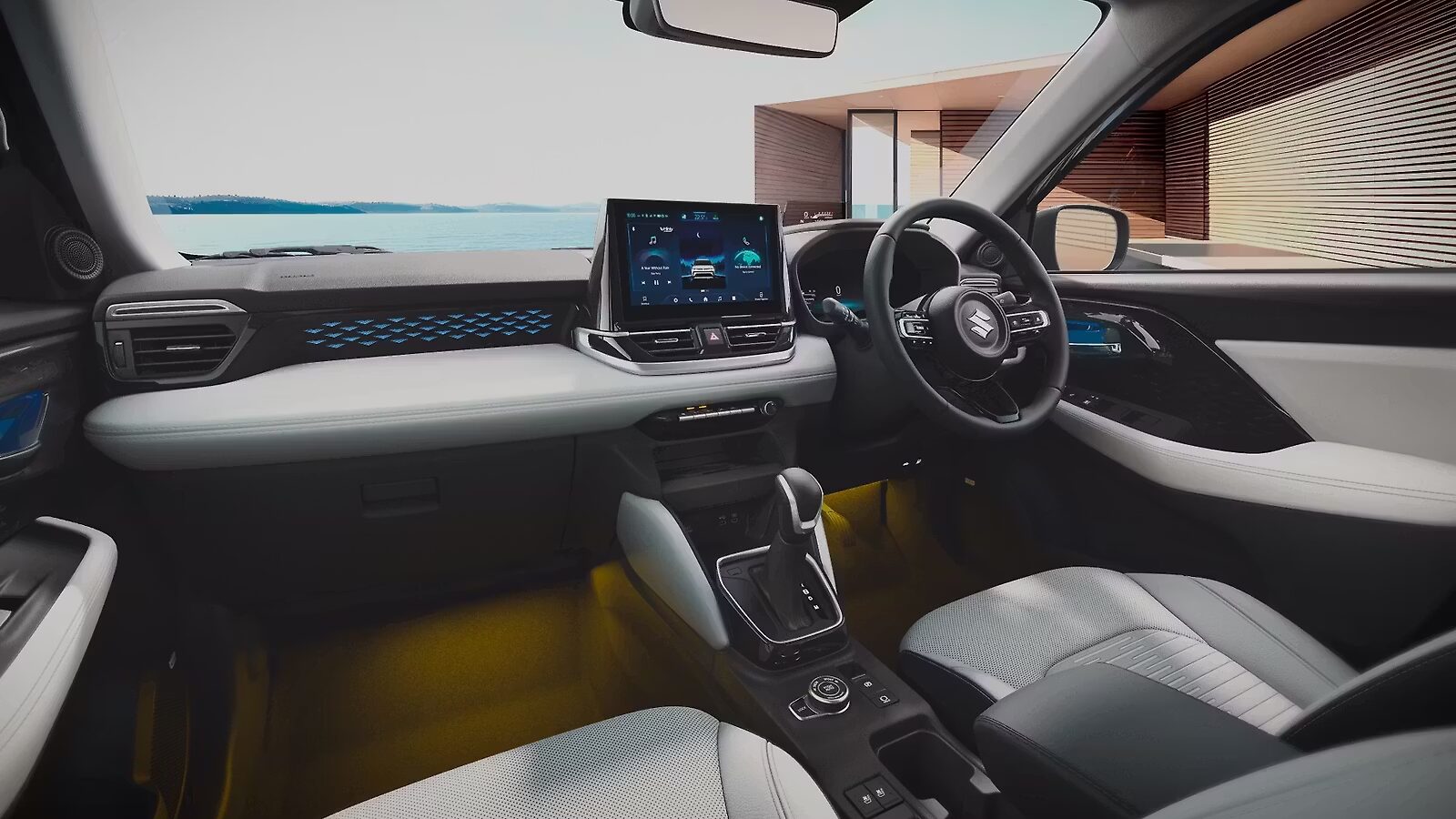
Image source
Maruti Suzuki has done well to keep the development of the upcoming facelift under wraps. The revised version will receive aesthetic touch-ups compared to the current one. Maruti recently added 6 airbags to the Baleno as standard. It performed well in the Bharat NCAP tests, scoring a 4 out of 5 possible stars. It is unlikely that Maruti will make considerable changes to the structure except for a couple of tweaks to the current proven platform.
The current-generation Baleno offers an extensive feature list, especially on higher variants, such as a 360-degree camera. However, the outgoing model misses out on vital features like ADAS, a sunroof and a wireless charging port. Honda Amaze offers ADAS on its top variant, and Maruti is not one to stay behind its competition for long. We will likely see these features, along with a larger infotainment screen, in the facelift. The dashboard will resemble those in Maruti’s newer models.
Powertrain

This is the part where it gets interesting. Maruti recently showcased its series-hybrid technology. They won’t need to borrow Toyota’s series-parallel system for its smaller cars. Speculation suggests they plan to launch this in-house-developed technology with the Fronx facelift, but we can expect this system to be adopted in the newer Baleno as well. The Swift and WagonR will be some of the other cars to feature this system.
The updated Baleno will have identical engine options. The list is pretty slim, with only a 1.2L petrol engine and a 1.2L petrol-CNG engine on offer. The CNG variant could use an underbody tank layout similar to that found in the Victoris. No diesel variants are expected with the hybrid system being the key update with the facelift.
The gearbox options would remain untouched, with the same 5-speed manual and 5-speed AMT expected in the upcoming revision.
Rivals
The Tata Altroz, Hyundai i20 and the Toyota Glanza are its biggest competitors in the premium hatchback segment. In terms of sales, the Baleno trumps its rivals by a significant margin. The Swift also falls into the premium hatchback category, but in recent months, it has fallen behind. And with the new facelift, Maruti aims to keep it the same way.
Read more: Tata Launched New Altroz & Announced Rs 1.4 Lakh Discount!
Expected Launch And Price
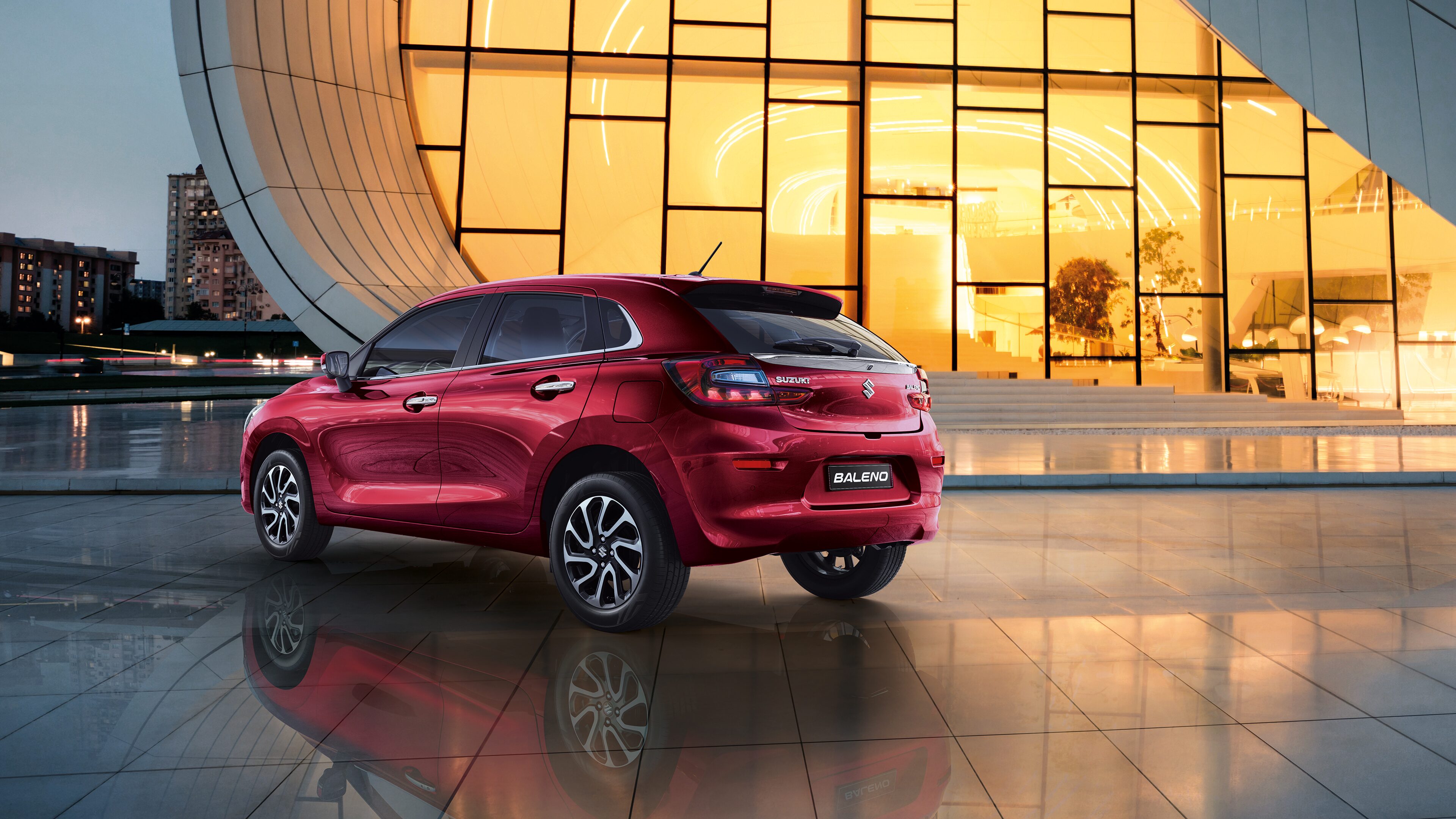
Maruti has yet to announce the date of the new Baleno’s unveiling, but you can expect it to grace Indian roads by late 2026. The launch of an updated Baleno suggests that its Japanese counterpart, the Toyota Glanza, will also be facelifted. Its powertrain and transmission options will be identical to those of the Baleno.
The Baleno seems like a solid mixture of practicality, affordability, and elegance. Being one of the first cars to be sold under the Nexa brand, the pricing has always been attractive. The outgoing model could set you back by around 7 to 12 lakh rupees, and a price hike of up to 50,000 rupees can be expected with the new Baleno.
Related Posts
- Maruti Suzuki Swift Facelift – What to expect? » MotorOctane
- Upcoming Fortuner Rival Driven Before Launch! » MotorOctane
- Bajaj Auto Becomes Majority Stakeholder in KTM, Acquisition Complete
- Maruti Brezza Facelift – What To Expect? » MotorOctane
- Royal Enfield Flying Flea S6 Could Debut Tomorrow

Hi, I’m Ravindra Meena , a bike and automobile enthusiast. I share honest reviews, mileage tests, and latest updates about bikes, cars, and EVs to help you make the right choice. Stay connected for real-world insights and trending auto news! 🏍️🚗