Taxation is getting really heavy, and the car prices have skyrocketed. Gone are the days when you could buy a top-of-the-range WagonR, with all the bells and whistles, for less than six lakhs. Now the price for a top-end WagonR exceeds 8 lakhs, excluding additional accessories. The prices of SUVs have risen by a larger proportion. If you told someone back in 2010 that the top-of-the-range Scorpio would cost almost 30 lakhs, they would call you crazy.
The Indian government recently reduced the GST on cars. Today, we will look at some car laws that could help you pick your next vehicle while saving you lakhs of rupees.
Read More: This Maruti Suzuki Could Touch 320 km/h – And You Have Forgotten It
Tax Collected At Source (TCS)
When buying a car that costs more than 10 lakh rupees, you are subject to a 1% TCS charge at the dealership. Usually, people forget about this charge when they buy the car. But you are entitled to get this money back after purchase. After the purchase, you request that the dealership provide you with Form 27D. This form is useful when filing your Income tax returns. If you have not yet paid your taxes, this amount will be adjusted accordingly. And if the tax amount is lower than the TCS, you are liable to receive this money in your PAN-linked bank account.
The TCS is a considerable amount, and you must get back with your dealership immediately after you buy the car. For instance, if you buy a 4WD Fortuner, you are liable for almost 50,000 rupees in return.
Hatchbacks and Compact Cars
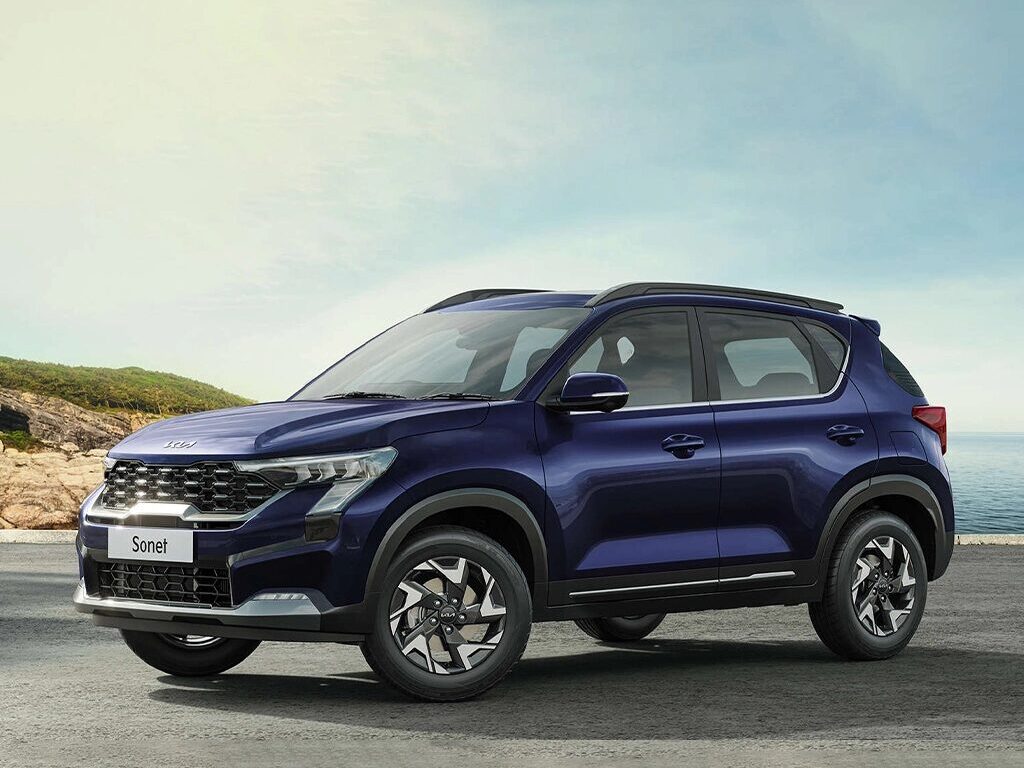
Ever wondered why every manufacturer is trying to enter the compact-SUV segment? This price bracket is the most rewarding one of all segments. Compact SUVs sit in the same tax bracket as hatchbacks, and they aim to draw away from the hatchback market with their SUV-like stance.
For cars under 4m in length, you have to pay an 18% GST. Moreover, the engine must be smaller than 1200cc for petrol and 1500cc for diesel.
The first-gen Maruti Vitara Brezza benefited significantly from this law, but after its diesel fiasco, it was discontinued. Now, with the new Brezza, they were left with no diesel engines, and the petrol engines from smaller cars weren’t powerful enough for it. This is why the current Brezza comes with a 1.5L petrol engine as standard, and it is also one of the most expensive compact SUVs in the segment, taxed like a midsized SUV at 40%.
Sedans And SUVs
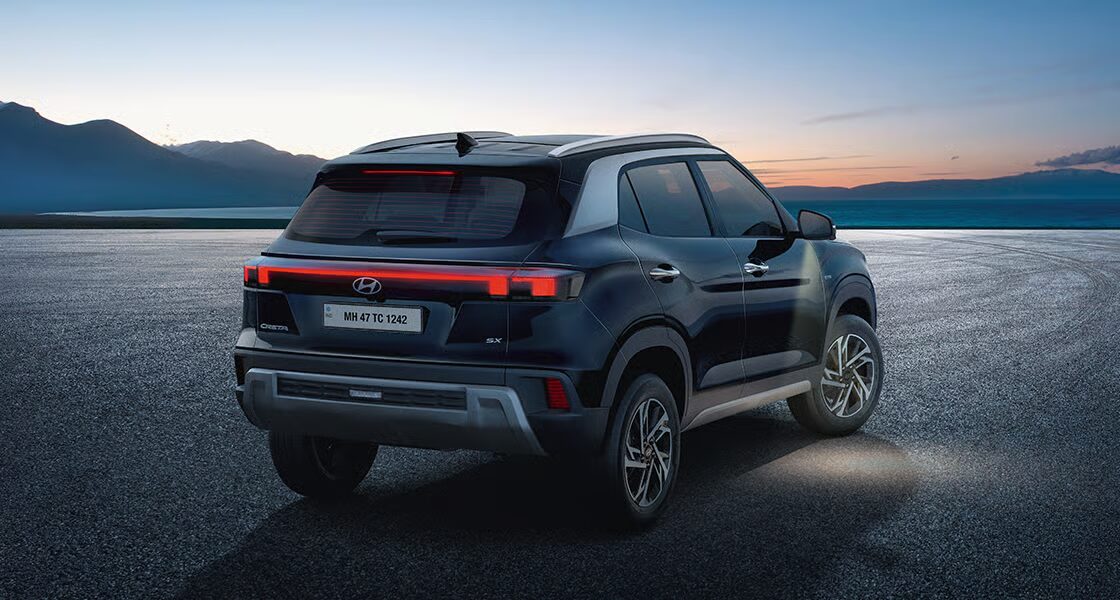
Prior to the tax revisions, there was a clear tax difference between sedans and SUVs. Cars longer than 4m, but with a displacement of less than 1.5L and a ground clearance lower than 170mm, got a 5% tax reduction when compared with SUVs. Sedans (with engines smaller than 1.5L) were taxed at 45%, while SUVs were taxed at 50%. Meanwhile, sedans with an engine larger than 1.5L were taxed at 48%. But now, both segments are subject to the same 40% tax.
This means SUVs will become more prevalent, and sedans will be on the brink of extinction. The tax advantage was the reason many people chose sedans over SUVs, but if the pricing becomes identical, sedans don’t make sense over the more practical SUVs.
Read More: 5 Mercedes-Benz Cars Under Rs 25 Lakh!
Hybrids and EVs
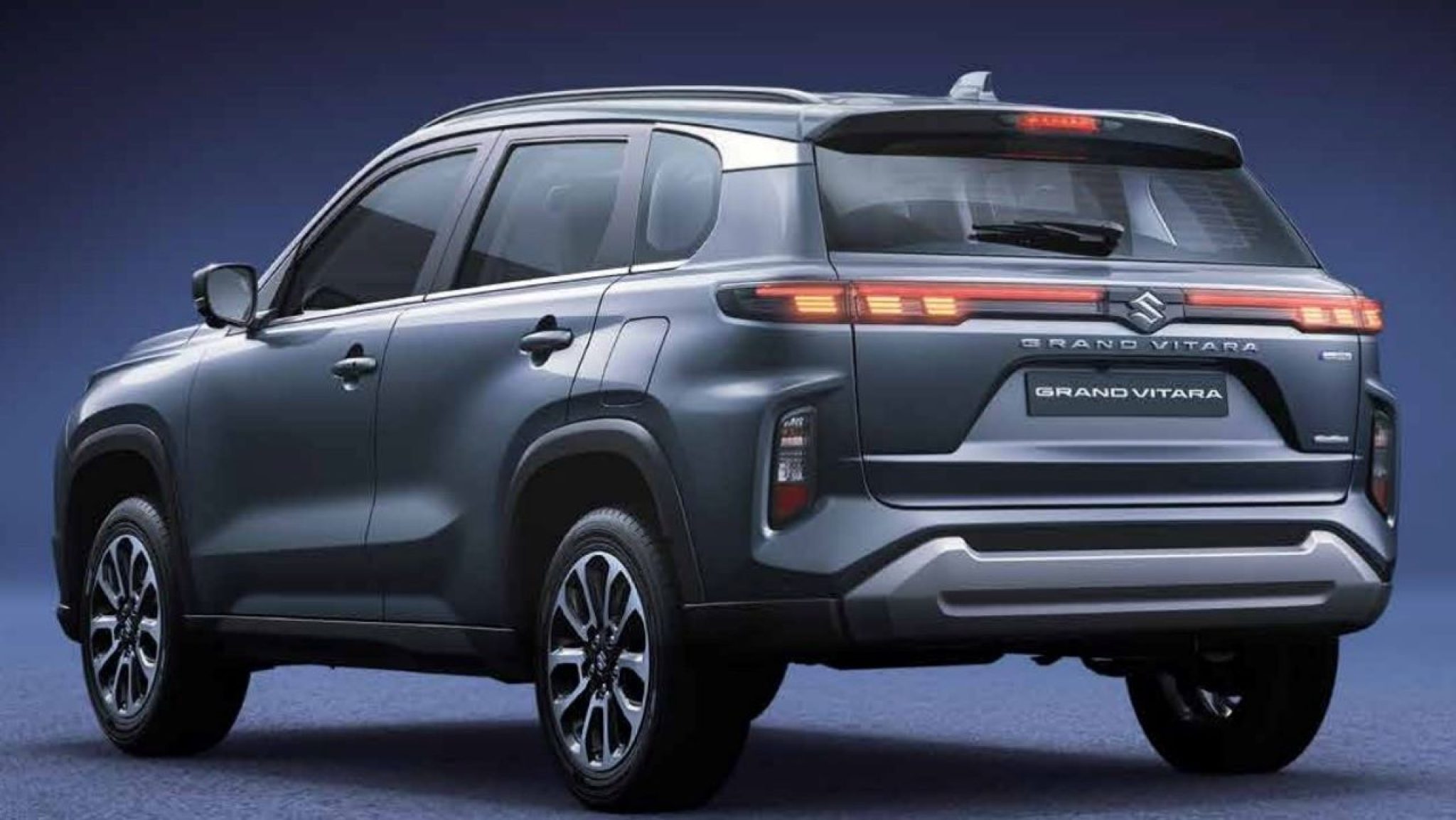
Before the tax update, hybrids received a significant tax break compared to ICE cars. Hybrids like the Grand Vitara and Toyota Hyryder received a 7% tax advantage over petrol- and diesel-powered rivals like the Creta and Seltos. Now, this advantage is gone, and you pay the same tax on both hybrid and conventional cars—hybrids under 4m pay 18% tax, while larger vehicles pay 40%.
Hybrid sales are expected to dip slightly. The efficiency of hybrid cars would still attract customers, and manufacturers remain motivated to introduce hybrid SUVs in India.
Furthermore, the 5% GST on EVs remains untouched.
Scrap Laws
If you own an old vehicle and plan to buy a new one, this tip could save you money on your next car. Instead of going through the hassle of selling your old car, you can scrap the vehicle. The Scrapping policy suggests you could receive a small portion of the car’s original value back. After scrapping the vehicle, you receive a certificate of scrapping. This certificate allows you to get a discount of up 5% on the showroom price of your next car. Additionally, the registration fee for the new car is waived. You also get a 25% discount on vehicle tax.
However, discounts vary by state. Before you get your hopes high, you should know these rules as well. The old car must be more than 15 years old, and the new vehicle must be purchased within 6 months of scrapping.
These benefits could amount to significant discounts, and to avail these benefits, the certificate is essential.
Before Making The Decision
You should keep these law reforms in mind before getting your new car. These reforms can completely alter your budget. If you decide to scrap your old vehicle, you can get a significant tax benefit from the already reduced tax. You could save 2-3 lakhs on your next car with these scrapping laws.
Furthermore, the reduced tax means you can buy a smaller car on a tighter budget. And you won’t be penalised as harshly if you do choose to get a bigger car. You can make an informed decision about your future vehicle now that you know all the crucial financial information.
Read More: These Tips Could Save Your Life

Hi, I’m Ravindra Meena , a bike and automobile enthusiast. I share honest reviews, mileage tests, and latest updates about bikes, cars, and EVs to help you make the right choice. Stay connected for real-world insights and trending auto news! 🏍️🚗