The station wagon(estate) has been the family’s choice of transport outside Europe. Western countries like the UK, the USA and Germany adore estate cars for multiple reasons. Yet, this concept has never caught on in India. The SUV segment is relatively modern compared to the estate segment. Manufacturers tried to instil the estate culture in India but failed. Today, we will try to determine the cause of its failure.
What is a Station Wagon?
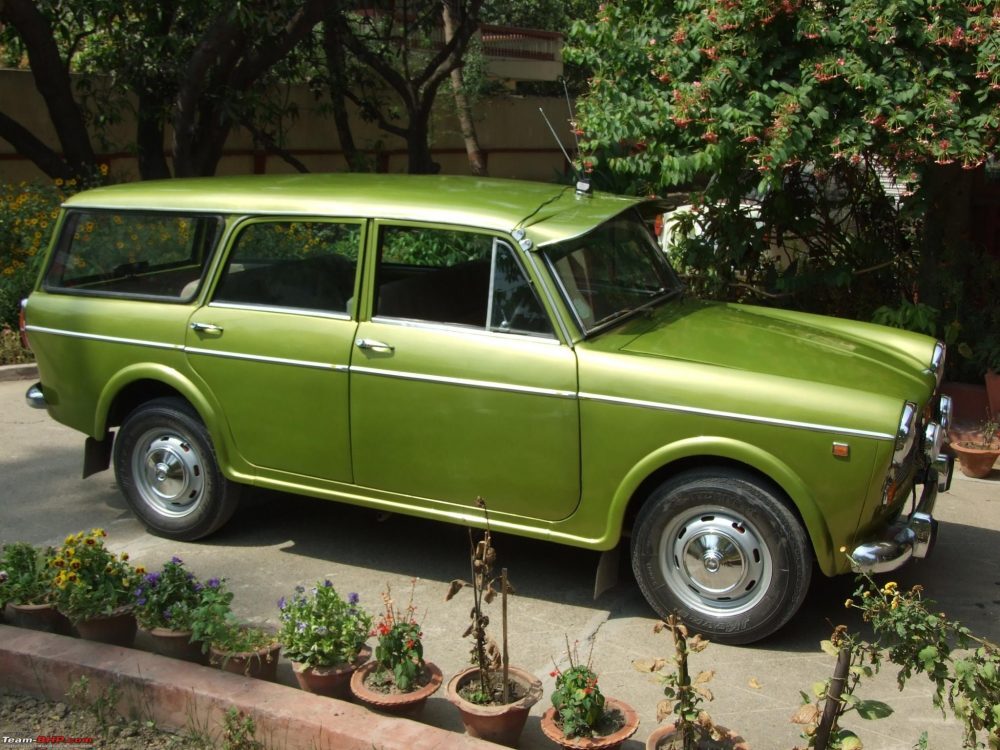
Essentially, the station wagon is an elongated version of a sedan or a hatchback. The length and wheelbase are extended to improve the boot space. Its primary purpose is to maximise the practicality of an ordinary car. In most cars, the rear space is big enough to fit an entire mattress. Before the 2010s, it was the family car of choice.
Estate cars have been around since the 1920s. They originated as no-nonsense, practical vehicles, but over the years, manufacturers have experimented with the Estate for fun. A few examples of these experiments include the BMW M4 CS and the Audi RS6. These cars are the perfect combination of practicality and performance and have been adored by car enthusiasts worldwide.
Station Wagons In India
The sample size for Estate cars is tiny. The public never really gave the station wagon a shot. Thus, manufacturers refrained from entering this segment. However, some companies were brave enough to attempt to build an estate, such as Tata and Skoda.
Tata was inventive in the 1990s and threw everything at the public, hoping that something would stick. The Tata Sierra and Tata Estate are prime examples. The Estate was launched after the Sierra and used an identical 1.9L diesel engine, which produced a healthy 67 horsepower and 110 Nm of torque. Due to its dimensions, the Estate was spacious, with a massive boot. The design was based on the Mercedes station wagons of the era, but it still wasn’t picked on by the public.
Despite the Estate’s failure, Tata did not give up and launched the Indigo Marina a few years later. Unfortunately, this attempt was in vain as well/ x
Today, the Skoda Octavia Combi is one of the most sought-after cars by enthusiasts. When it was launched in the early 2000s, the Octavia was a hit. People loved the sedan despite its high prices. It packs a great engine with European build quality and has been a fan favourite ever since. Skoda tried to build on its success and launch the Combi L&K and Combi VRS. The VRS had a 150-horsepower 1.8L turbo-petrol engine, and back in 2005, these numbers were astronomical. The Octavia combi had been a great success in European markets but failed to make its mark in India.
These are some of the popular examples of estates. Other examples include the Hindustan Ambassador Estate, Maruti Suzuki Baleno Altura, Fiat Palio Adventure and Opel Corsa Swing. All these cars flopped hard, and we never heard of them again.
Read More: Maserati For The Price of an Innova?
Why Did It Fail?
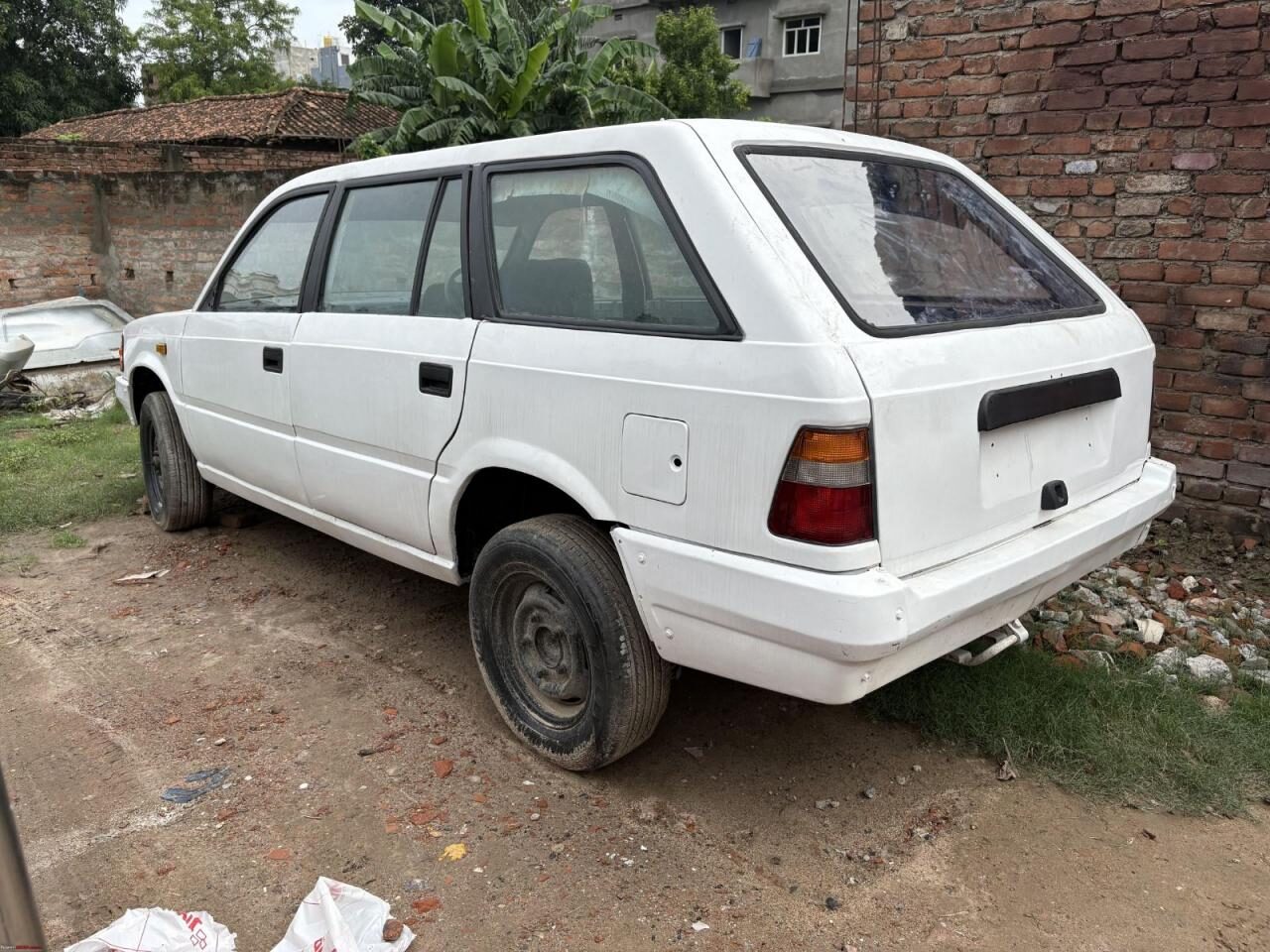
Estate wagons are more practical and handle better than SUVs, yet they failed. The low centre of gravity also meant that the body roll was less. It perfectly encapsulated the practicality of an SUV and the handling of a Sedan, yet they flopped.
Since SUVs hadn’t yet taken off in the 2000s, it’s difficult to blame them for this failure entirely. Back then, the market was tilted towards hatchbacks and sedans, and people struggled to look the other way. They were happy with their small hatchbacks and sedans. The regular middle-class did not need such a long boot, and a sedan boot was sufficient for a 3-day trip to Mahabaleshwar. You got no additional perks to the drive. People found it difficult to pay the premium for an estate over a sedan and missed out on a sedan’s characteristic handling.
The design of an estate doesn’t appeal to the layman and is for an acquired taste. The Tata Estate, Baleno Altura or the HM Ambassador Estate weren’t particularly beautiful. It is understandable if a potential buyer prefers the dominating stature of an SUV or the smaller bodies of sedans and hatchbacks.
In hindsight, the Estate makes sense, but people failed to see it that way back in the 90s and 00s.
Can We See The Estates Again?

Performance estates used to be among the most desirable cars on the market. Still, since India never really grasped the concept of an Estate, Indians never really experienced the fun. Skoda made a valiant effort with the Combi, and on paper, it looks like the perfect driver’s car.
The SUV monopoly has grown too strong, not just in India but across the globe. The SUV’s commanding presence is desired, and people do not appreciate that the Estate offers similar practicality without compromising handling. The ship seems to have sailed. Sales of BMW, Mercedes, and Volkswagen Estates have fallen globally, and none of these car manufacturers seems to be making any attempt to revive them either.
Read More: New-Gen Kia Seltos Is Finally Here!
Related Posts
- Most Reliable Sportsbike In India? » MotorOctane
- Top 5 Things to Know
- Car-Like Tech In Bikes – Is It Really Needed? » MotorOctane
- 5 Mercedes-Benz Cars Under Rs 25 Lakh! » MotorOctane
- Ather Rizta Crosses 2 Lakh Units Sales Milestone

Hi, I’m Ravindra Meena , a bike and automobile enthusiast. I share honest reviews, mileage tests, and latest updates about bikes, cars, and EVs to help you make the right choice. Stay connected for real-world insights and trending auto news! 🏍️🚗