Does your 5-year-old helmet still look as good as a new one? It might look new, but underneath the shiny skin, it might have already lost its ability to keep you safe! Not just your helmet; there is a list of gear that fails over time. Here is something you don’t know about your riding gears:
Attention Readers! Join us on the WhatsApp Community for daily auto news updates
Your Riding Gear Have Expiry Date Too!
Yes, you heard it right: your expensive gear has an expiry date, just like any food or beverage. Timely replacement is important to keep things in check and safe. Replacing your riding gear only after it saves you from an accident is not the right way to get things done! Here is the list of riding gear that might have expired and you must be using daily, compromising your safety.
Helmets:
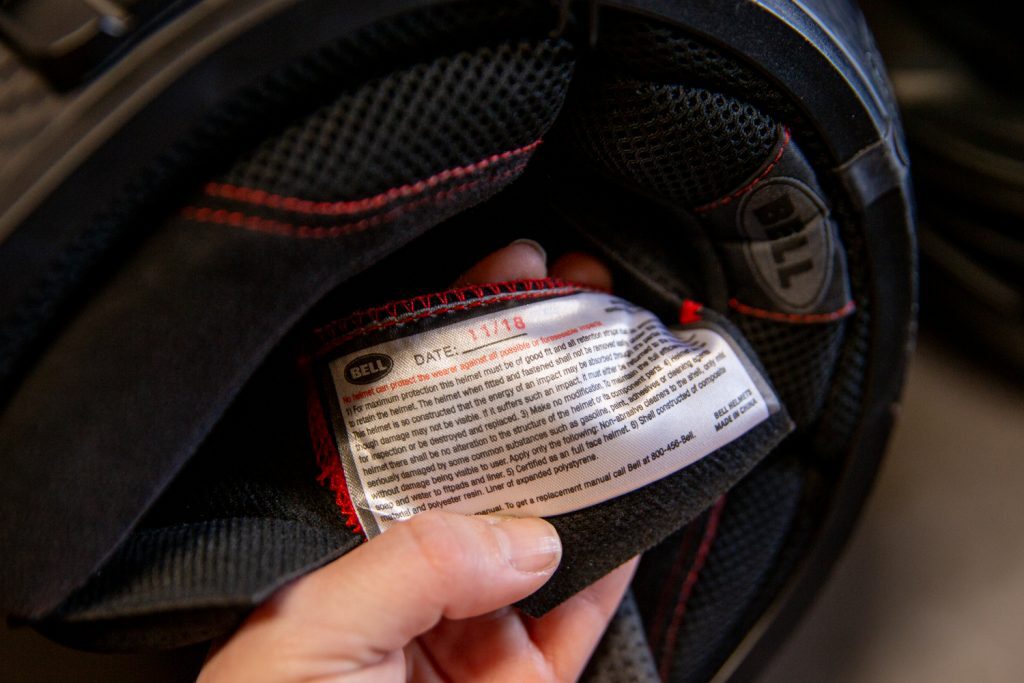
No matter how expensive your helmet is, it has its own limited lifespan. This lifespan is counted from the date of manufacturing, not from the date you purchase it! Why is that so, and what do we mean by that?
Over time, the material used to create a safety barrier between you and the road, this material ages, slowly losing its ability to withstand impact. The most commonly used material is Expanded Polystyrene (EPS), which loses its ability to absorb energy during an accident due to heat and moisture. Not just this, the constant heat on a hot summer day on a highway or heavy rain on a monsoon morning also weakens the glued components and increases helmet wear. The recommended interval for replacing your helmet is 3 to 5 years.
Riding Jackets And Pants:
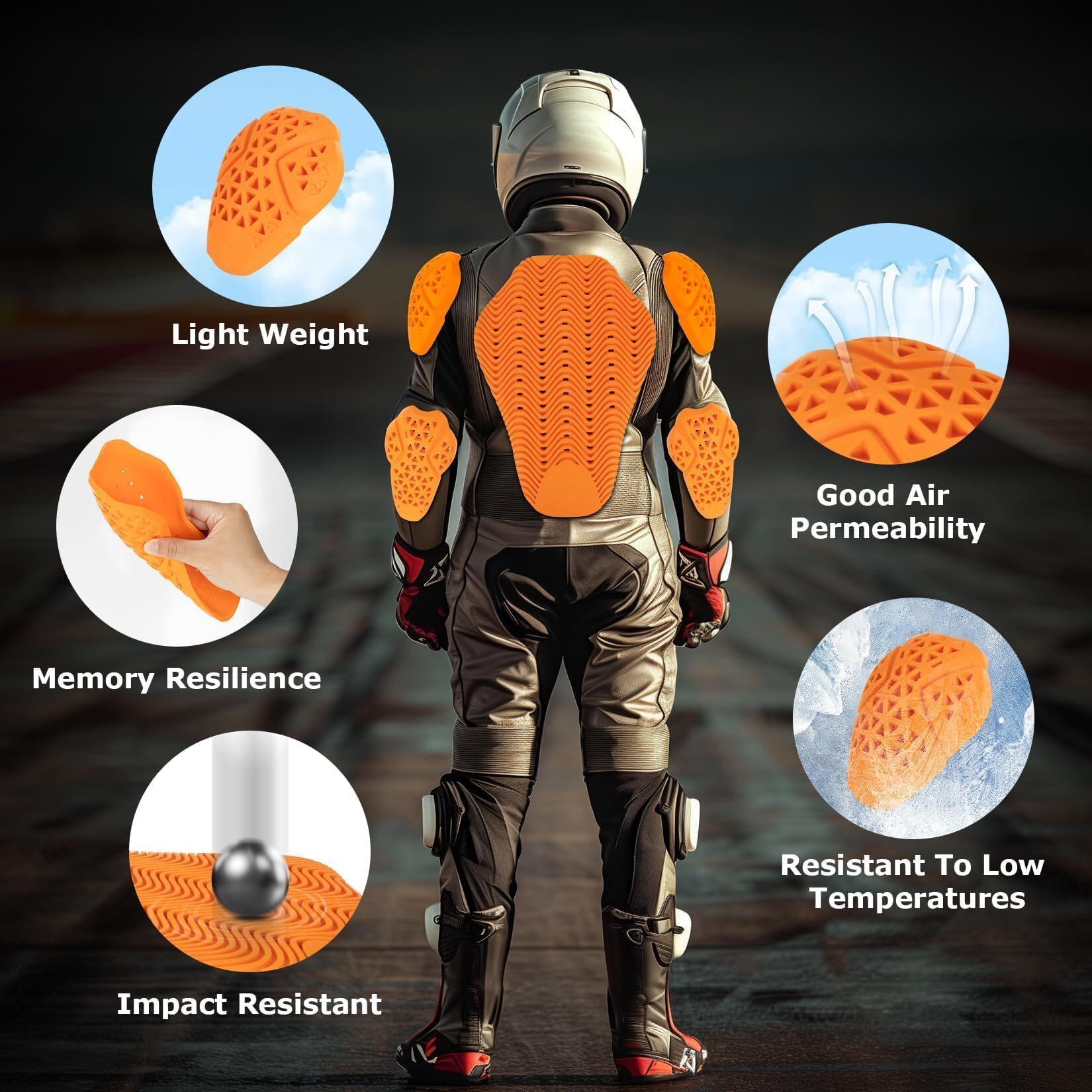
Riding Jackets and pants have a longer lifespan than other riding gear. They can be washed and reused just like clothes. But the major components that provide safety in these gears are the armour, including back, shoulder, elbow and chest protection, which needs to be replaced sooner than the jacket or pants themselves. If your jackets and pants last about 7 to 8 years, the armour has to be replaced at about the 4-year mark. And if you are more committed to riding, we would definitely recommend upgrading the armour to a higher level to enhance safety. If there is significant wear or damage to these two gears, don’t overuse them and replace them as soon as possible.
Riding Gloves:
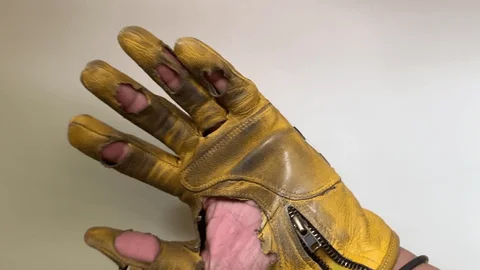
Riding gloves feature hard shells that mainly cover the knuckles and gel or rubber padding on the palm. Just as the helmet shells do, the knuckle shell also changes its properties over time. And the palm padding starts to wear down with use. This makes the replacement more frequent than for other gears; they typically need to be replaced every 2 to 5 years.
Riding Boots:
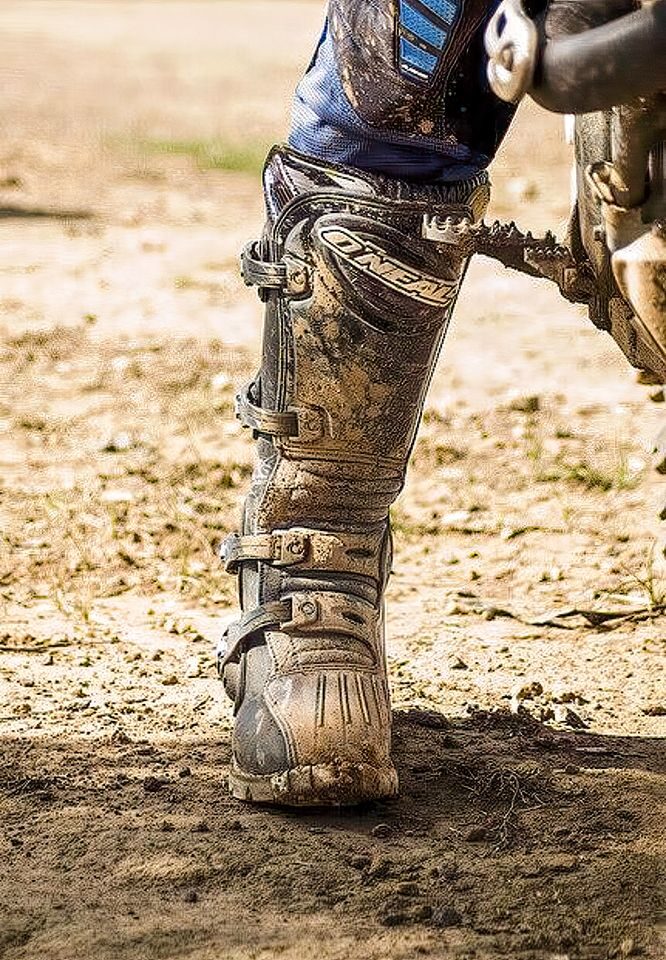
Not just on wheels: boots keep your feet safe even when you’re not on the bike. Understanding that manufacturers make them as durable as possible. Riding boots, if maintained properly, can last upto 5 to 10 years. Regularly upgrading your boots as you gain more skills can significantly improve your riding experience.
Additional Tip:
Always remember that the fit is more important than the price and aesthetics. The right fit reduces fatigue and gives you proper control over your ride. Replacement of armours and visors should be done before they start to fail in serving their purpose. Plan your riding gear and layer it according to the weather so you stay comfortable.
With that being said, will you trust your old riding gear?
Read More: 2 Premium 7-Seater SUVs Compared!

Hi, I’m Ravindra Meena , a bike and automobile enthusiast. I share honest reviews, mileage tests, and latest updates about bikes, cars, and EVs to help you make the right choice. Stay connected for real-world insights and trending auto news! 🏍️🚗