The main reason why people buy a Maruti Suzuki is fuel economy. People get fed up with the fuel efficiency of their older cars and opt to buy a new Maruti Suzuki. The low economy figures can add up to a hefty amount in fuel costs. Here are some tips to maximise your car’s fuel efficiency.
Read More: Maruti Confirms Bigger & Spacious WagonR!
Tires
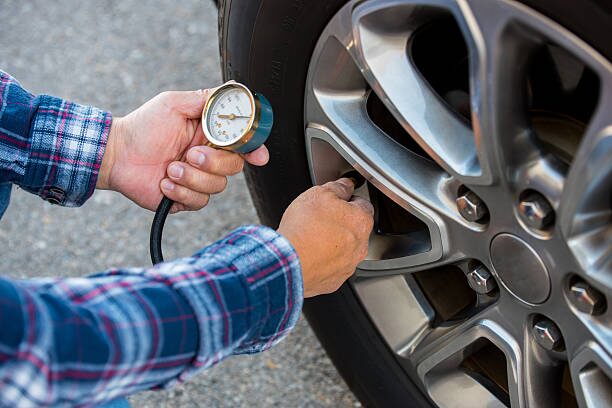
Tires play a major role in reducing your fuel efficiency. The rolling resistance plays a significant role in this. To explain it simply, it is the force that acts against the tyre when it rolls. The greater the resistance, the more power is required to overcome this resistance.
Tires with low pressure create greater resistance, increasing fuel consumption. Before every drive, ensure the tyre pressure is set to the manufacturer’s recommended level. Portable tyre inflators are essential accessories if you prioritise fuel efficiency. Fuel consumption increases as the tyre becomes more deflated. If the pressure is more than 10 PSI below the recommended level, consumption rises by 5-10%.
Furthermore, misaligned wheels can also affect the efficiency. You would notice misalignment when your car drifts to a side without any steering input. If you experience such an issue, it is recommended to get the wheels aligned immediately for safety and better fuel economy.
Driving Style
The way you drive directly affects the fuel efficiency. Hard braking, sudden acceleration, and long idling can severely hurt your fuel economy. To maximise these figures, ensure smooth acceleration and smooth braking. Hard acceleration puts the engine under heavy load, and it then burns more fuel, while hard braking means it takes more acceleration to get back up to speed. Try coasting to a halt instead of braking at the very last moment. Moreover, try using the highest gear possible (if manual). This can be particularly useful in traffic. It is difficult to do the same in an automatic transmission, since the transmission decides which gear is best for a given moment.
Avoid idling the engine for too long. Studies show that idling consumes more fuel per minute than turning the engine on/off in traffic. If possible, also try to plan your trips. Avoid any slopes or heavy traffic, even if the journey is slightly longer. In the long run, you would save money by carefully planning your trips.
With a calmer driving style, you can save a lot of money on fuel. The savings are even greater if you follow this method during city drives.
Read More: 4 Things Only Car Experts Will Tell You!
Car Modifications

People love installing larger aftermarket wheels. Larger wheels (on smaller cars) have little to no use whatsoever. A larger tyre size means more weight, greater resistance and lower fuel efficiency. Not to mention, that it also affects the ride quality. The only positive you gain from it is better looks. Manufacturers have fitted the specific tyre for a particular reason. The designers had done all the calculations possible to identify which tyre is the best suited for your car. The only time when a bigger tyre makes sense is when you buy a base variant trim and get a smaller tyre than the top variants.
Refrain from adding any unnecessary accessories. They increase weight. A heavier weight means the engine has to work harder to pull the car. Avoid keeping extra luggage, tools, or any other weight in the cabin or the boot to keep the weight low. Car manufacturers try to reduce weight as much as possible to gain that extra 1% in efficiency. Reducing weight not only reduces fuel consumption but also improves performance.
Air Conditioning
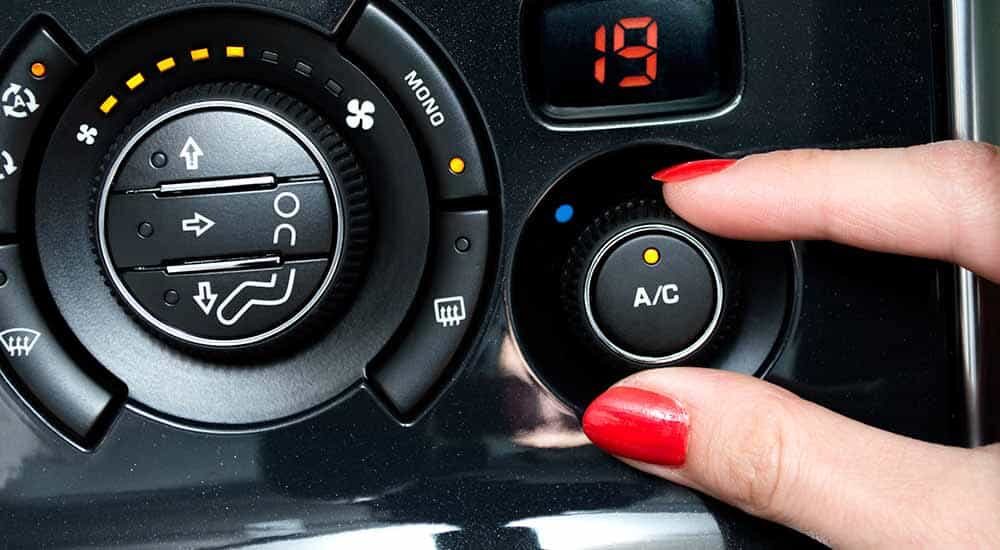
AC draws up a lot of energy to function. Some reports suggest that fuel consumption can rise by up to 10% with AC use. This number is greater on hotter days. And with the Indian climate, the AC is critical. If possible, try keeping the windows open at lower speeds or use the ventilation instead of using air conditioning.
Rolling the windows down doesn’t always prove beneficial, though. After many tests, scientists have found out that keeping the windows open at higher speeds consumes more fuel than with the AC on. This is because keeping windows open affects the car’s aerodynamic efficiency. Also, avoid driving with the sunroof open. This only shows that we are yet to find a practical use for the sunroof.
Read More: Tata Avinya Launch Finally Confirmed!
Maintenance
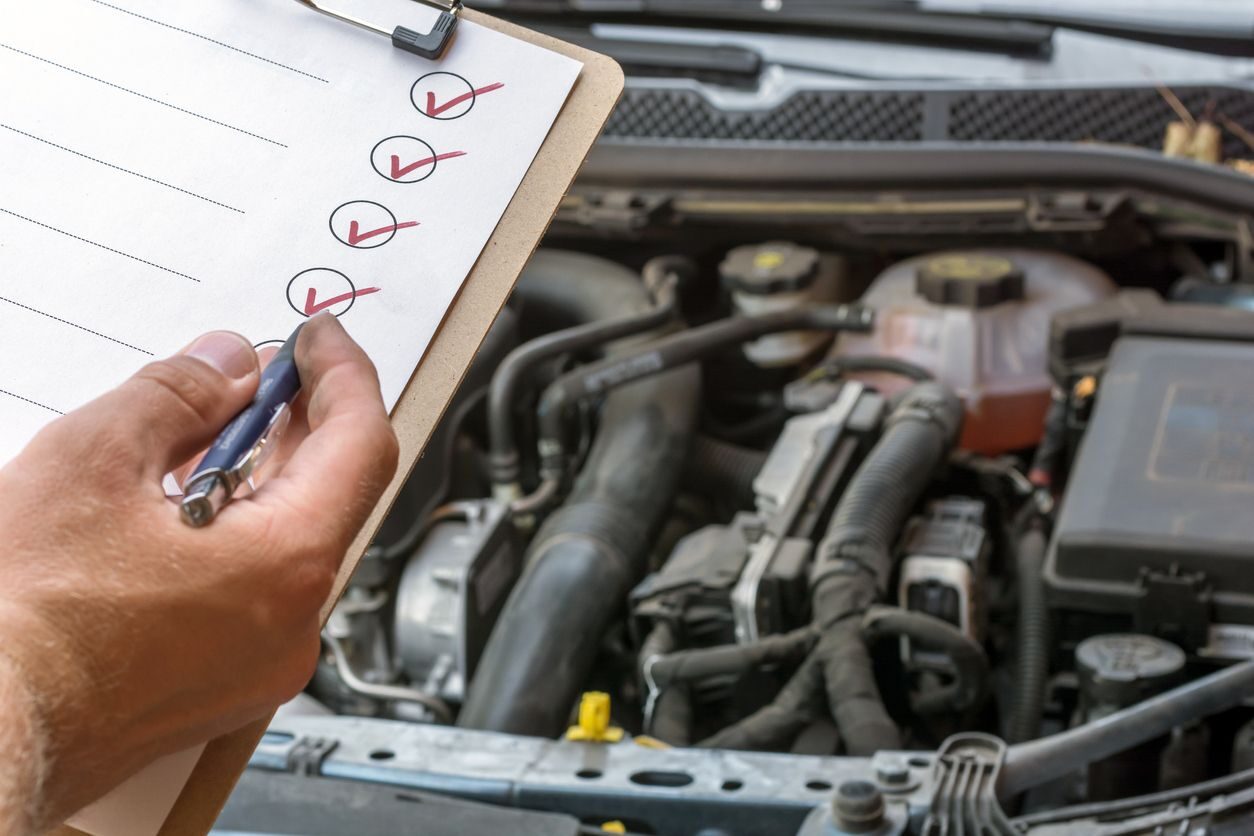
Well, this is the most obvious tip possible. Keeping the engine healthy keeps your wallet happy. Make sure to replace the fuel filter, oil filter, fuel injectors, and air filters. after the manufacturer-recommended times. Also, make sure to get the oil changes, coolant topped up, and other routine checks done. The maintenance may cost you a lot, but you will notice savings in fuel over time. It will also reduce the chances of something going horribly wrong (like the engine going kaput), which will again put a hole in your pocket.
How Much Effect Does it Actually Have?

All the abovementioned tips may not directly improve your car’s fuel efficiency from 10 kmpl to 30 kmpl, but you will notice minor improvements. Even a 5% improvement in fuel economy will be crucial. To put it into perspective, you will be using 5% less fuel for the same journey. If your monthly fuel requirement is 100L for a certain distance, you would need 5L less every month with a 5% improvement in economy. Over a year, you would save 60L of fuel, which could amount to more than 6200 Rs in savings and about 31,000 Rs in 5 years.
Let us assume that the improvement is just 1%, but that would still mean saving more than 1200 rupees a year (for the same scenario). You could use this saving to fill 12 more litres of fuel. It would be very difficult for you to notice such minor improvements on a daily basis, but using the above tips will surely save you money in the long run.
Read More: New Hyundai SUVs To Look Out For

Hi, I’m Ravindra Meena , a bike and automobile enthusiast. I share honest reviews, mileage tests, and latest updates about bikes, cars, and EVs to help you make the right choice. Stay connected for real-world insights and trending auto news! 🏍️🚗