Most of us have our own stories with Tata vehicles. Our grandparents might even have memories of Tata’s steam locomotives. Tata has come a long way from steam Locomotives to Electric vehicles. Here is the story of the Indian Automotive Giant, which wasn’t always an Automotive company.
From Locomotives To Automotives:
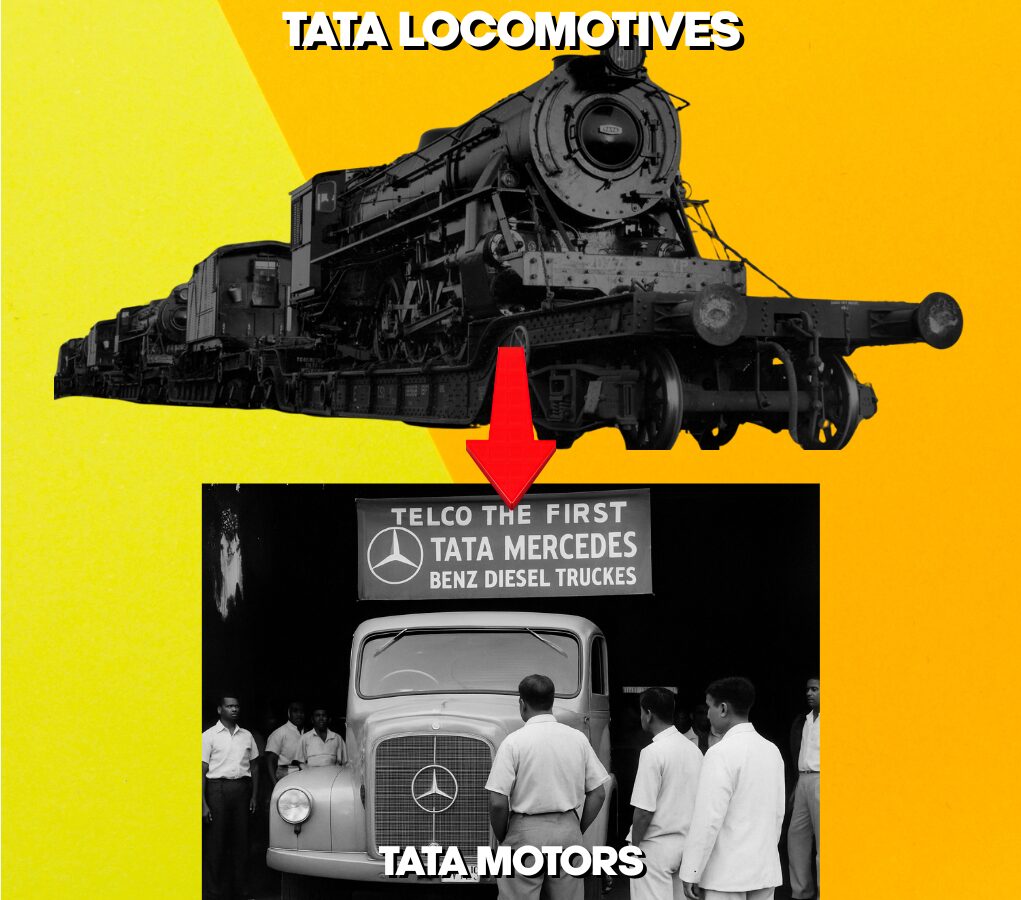
Founded as the Tata Engineering & Locomotive Company (TELCO) in 1945, it focused on steam locomotive manufacturing. In 1948, Tata began its journey on roads, not with trucks or cars, but with steam road-rollers. Later in 1954, Tata launched its first commercial vehicle, the TMB 312 truck, in partnership with Daimler-Benz. This was the first time Tata had manufactured a diesel engine at its Jamshedpur facility. This was the start of the Tatas’ journey into automobiles. Also, after the 1960s, Tata began scaling back its locomotive manufacturing. By 1986, Tata had gained momentum in the commercial segment with a range of light and heavy carriers. By 1989, Tata started its journey towards smaller vehicles with its first multi-utility vehicle, the Tata Mobile, also known as the Tata Telcoline in international markets. And from this point onwards, Tata aimed to become an automobile powerhouse.
Launch Of The First Passenger Vehicle:
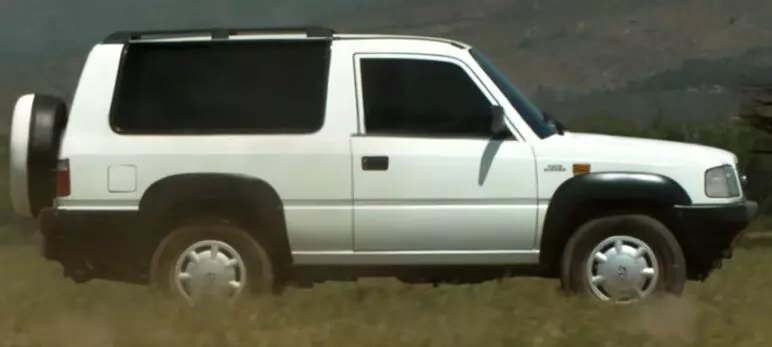
Tata introduced the Tata Sierra in 1991, the first passenger vehicle from Tata Motors. The Tata Sierra was way ahead of its time, offering features never seen before. Sierra shared the same platform as the Tata Mobile. It also features a unique three-door design with large rear windows, which remains iconic. In 1992, Tata introduced the Estate, a five-door station wagon. Neither of these generated many sales, but they remain iconic. Later came the Tata Sumo in 1994, which gave Tata’s sales a bit of momentum.
Rise Of The Tata Motors:
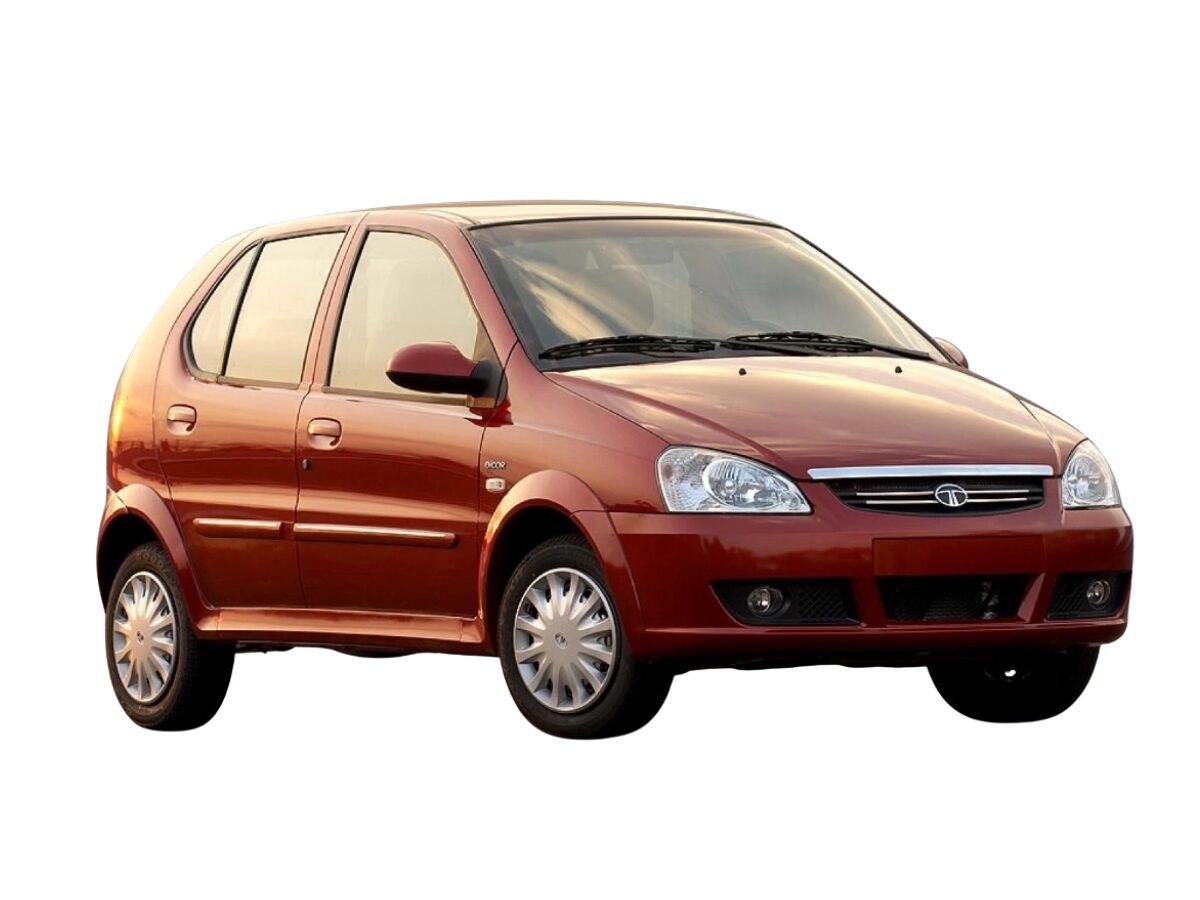
1998 was the year Tata introduced the Indica and Safari. The Tata Indica was a spacious, modern, and affordable hatchback of that era. Indica became a quick favourite among Indian consumers because it offered excellent value for money. Indica sales peaked at about 55,000 in 2000, a milestone for Tata Motors. However, Safari did not sell as well as the Indica, but was one of the first few SUVs launched in India. In 2002, the Indigo was Tata’s first in-house produced car. Also in 2008, Tata Motors acquired the British Luxury carmaker Jaguar Land Rover from Ford and turned it into a profitable asset.
Where Tata Lost Traction:

In the mid- to late-2010s, Tata offered a range of cars, including the Indigo Marina (a station wagon) and the Tata Indigo (CS), the first sub-4-meter sedan in India. Later came the Tata Aria and Tata Nano. Tata Nano was an attempt to offer Indians a family car for 1 lakh rupees, but it failed to attract buyers. In 2012, Tata announced their considerable investment in the development of combat vehicles for defence purposes. In 2014, the Bolt and Zest were introduced as part of their refreshed lineup, but they failed to attract sales either. By 2015, as the focus shifted away from the passenger segment, Tata’s sales declined as competitors introduced more modern products.
Back As The Automotive Giant:
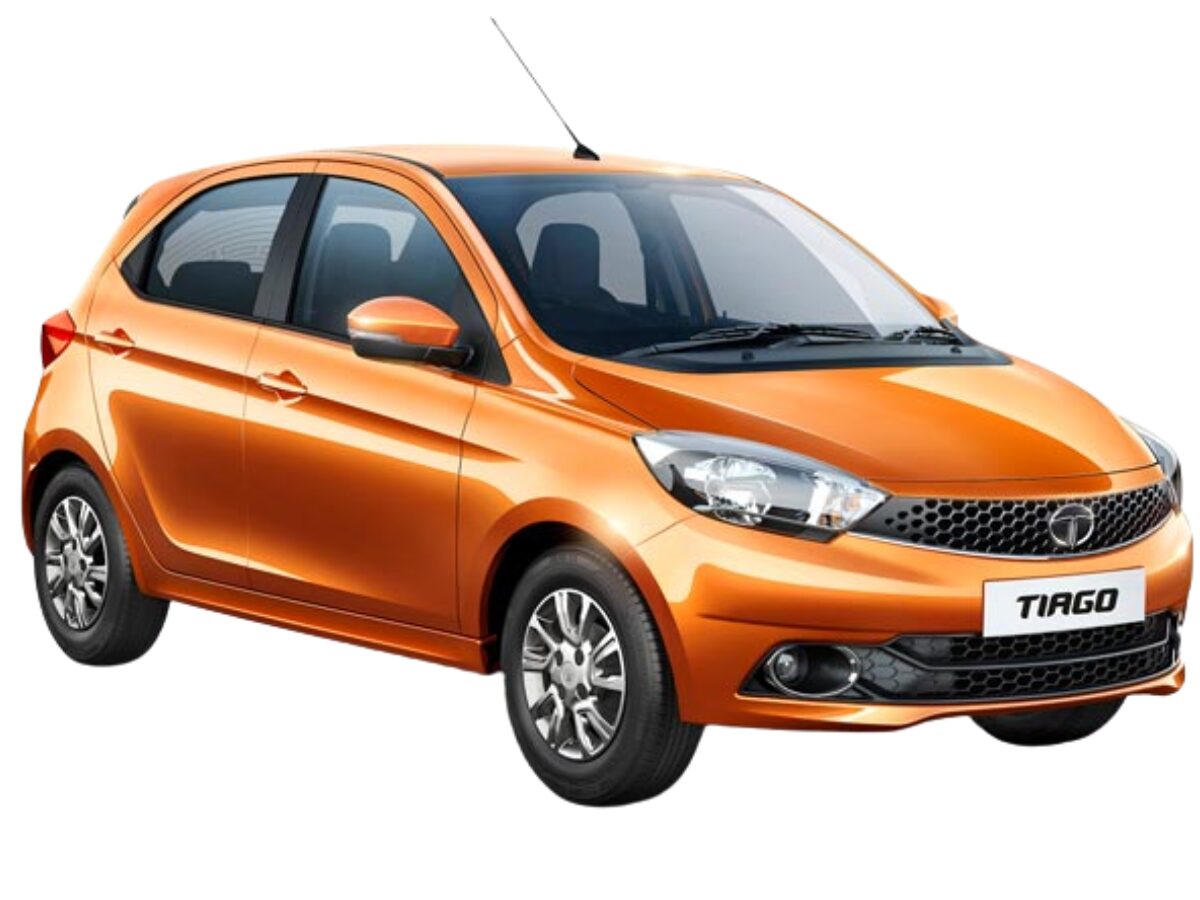
Tata redesigned its products from the ground up and then introduced the Tata Tiago in 2016. This was a game-changer for Tata Motors, just like the Tata Indica in 1998. The Tiago felt similar to the Indica, offering great features, various engine options, a spacious cabin, aggressive pricing, and safety as well. Tigor followed the Tiago, which was based on the Tiago platform but was a sedan.
Another big hit from Tata Motors came in 2017, with the launch of the Tata Nexon. This was the time when compact SUVs were gaining popularity, and the Nexon fit right in. Tiago and Nexon brought Tata back into the ranks of India’s leading automotive manufacturers. In 2019, Tata launched the Harrier, a new design based on the Land Rover platform, which became popular. Following the Harrier, Tata launched the Altroz and Punch, which continued to perform well.
The Modern Age Tata:
With its ICE products doing well in the market, Tata introduced EV powertrains. The first Tata car to get an electric powertrain was the Tigor in 2019 (limited to the Tigor Taxi); later in 2020, electric powertrains were introduced with the Tigor and Nexon. In 2023, Tata.EV was introduced and later the Nexon.EV Facelift, Punch EV, Curve EV, became the first few products from Tata.ev lineup. The latest addition to this was the Harrier EV, which was an All-wheel-drive Electric SUV producing about 390 bhp.
The recent launch of the latest Sierra generation has drawn significant attention for Tata. The upcoming Tata car will be the much-anticipated Sierra EV.

Hi, I’m Ravindra Meena , a bike and automobile enthusiast. I share honest reviews, mileage tests, and latest updates about bikes, cars, and EVs to help you make the right choice. Stay connected for real-world insights and trending auto news! 🏍️🚗