As we are about to enter the new year, the dreadful BS7 norms might be nearing us, putting an end to our favourite diesel engines! The introduction of BS7 will not only be a nightmare for Indian buyers but also a headache for every car manufacturer in India. While the MoRTH has not yet announced the BS7 norms, it essentially feels like the slow and gradual death of our favourite cars, like the Fortuner and other such SUVs. So, when will the BS7 norms be introduced in India, and how will they affect us? Let’s discuss –
Attention Readers! Join us on Whatsapp Community for daily auto news updates.
BS7 Norms – What’s New?
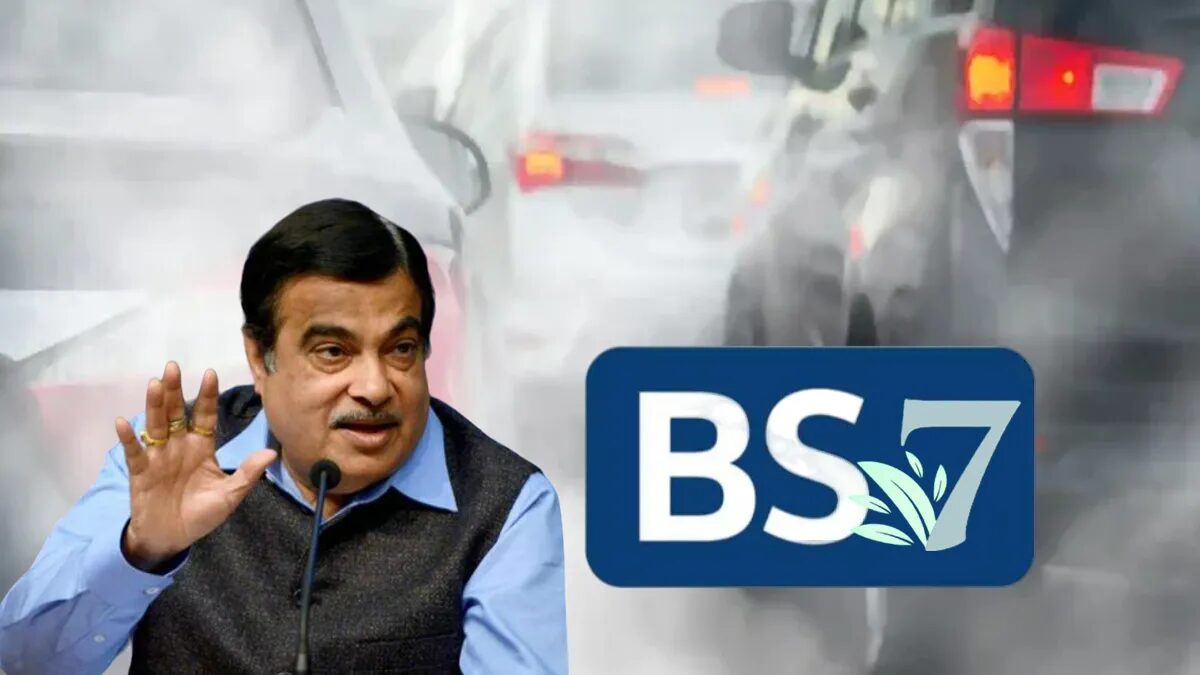
In 2023, Nitin Gadkari, the Minister of MoRTH, strongly recommended that all carmakers commence their preparations for the upcoming BS7 norms. The Minister wanted to ensure that India stays aligned with the International emission standards – specifically, the Euro standards. So, it was evident that the BS7 norms will go hand in hand with the upcoming Euro 7 norms. According to Carwow UK, the Euro 7 rules have applied to mass-produced cars from July 1.
So, we could expect the BS7 norms to be rolled out next year in India. The BS7 norms will heavily impact diesel engines to a great extent, while petrol engines will only face minor trouble. One of the key highlights of the new set of rules will be an “On Board Monitor”, which will measure emissions in real time. Plus, we believe that the government will push even more for BS7 norms to get control over the current pollution status in India, causing health as well as environmental issues. So, how will the BS7 norms affect us?
Also Read: 6 Hyundai Creta Rivals Launching Next Month!
How Will BS7 Affect Us?

Well, the cars will get expensive. You see, car manufacturers will have to make the cars more environmentally friendly by adding components to track and reduce emissions. So, these new components will have added costs, which will result in a steep hike in price. This will result in most vehicles becoming more expensive. But that’s not all. One of India’s favourite SUVs, like the Fortuner, might face issues. And if not the SUV itself, the bulletproof 2.8-litre diesel engine will surely face some fire, thanks to BS7.
Similarly, Tata’s flagship SUV, the Harrier, also uses a Fiat-sourced 2.0-litre diesel engine. Fiat had confirmed that it won’t be updating this engine for BS7 standards. However, now that Tata has acquired licensing rights to the Fiat engine, Tata can update it to meet BS7 norms. Nevertheless, many such cars that we love could face consequences after the implementation of BS7. So, if BS7 is implemented, we could lose the magnificent diesel engines that we all love.
Also Read – 4 Important Tips To Travel Safely In Delhi!
What Will BS7 Norms Do To Manufacturers?

Manufacturers will have to make severe adjustments to existing engines and also develop new engines for future models that meet the upcoming BS7 norms. So, the cost of implementing changes into the existing engines will also increase, which will eventually make the cars more expensive. Now, while buyers will pay the extra cost, there will be a certain percentage of buyers who may choose not to buy the car because of the added cost. This may reduce the average sales figures for the manufacturer. If the cost of modifying the engines to make them BS7 compliant is too high, some manufacturers might have to invest in making new engines altogether. So, they will instead have to produce new petrol engines or even strong-hybrid engines to replace the existing diesel engines. But the diesel fanatics might not appreciate this change.
Also Read – Most Powerful 160cc Bike Gets Important Upgrade!

Hi, I’m Ravindra Meena , a bike and automobile enthusiast. I share honest reviews, mileage tests, and latest updates about bikes, cars, and EVs to help you make the right choice. Stay connected for real-world insights and trending auto news! 🏍️🚗