With cars getting more expensive by the day, many people prefer buying a used car to a new one. For the price of the base variant Creta, you could get a 4-year-old top-variant Creta. The used Creta would have all the features you get on a new high-trim Creta, but would miss out on 2-3 features and the new car smell.
And with more people opting for a pre-owned car, here are all the things you should worry about before buying a new car.
Vehicle History
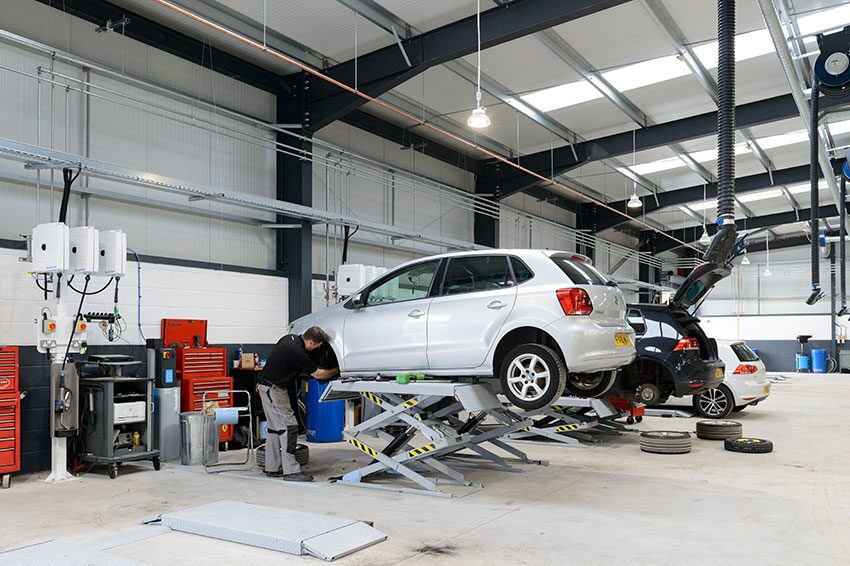
Vehicle history matters most with used cars. While it is difficult to determine how roughly the vehicle was used, you can find out how well it was maintained. Before buying a car, make sure to obtain a copy of its service records.
The more thorough the records, the better. From these records, you can determine whether the car was maintained at a certified service shop or at a random garage. Many people like to forge service records to show that the vehicle has been well kept. To avoid this, you can directly contact the service centre where the owner claims it was serviced and request the service records. These records will show the odometer readings, service intervals, and any major repaints or component changes. You may have to pay a fee to obtain the service history, but if you are sincerely interested in the car, this check is vital.
If you fail to obtain records from the certified centre, or there are no records of it being serviced at one, it suggests that the car has either been serviced at an unknown garage on a budget or hasn’t been serviced regularly at all. These cars are more likely to go wrong at purchase, and the owner is hiding major flaws from you.
Moreover, if the records indicate that the car has been frequently serviced on major components such as the gearbox or crankshaft, it suggests the model is unreliable, and you should steer clear.
Read More: Indian Tax Laws That Could Save You Money
Engine Check
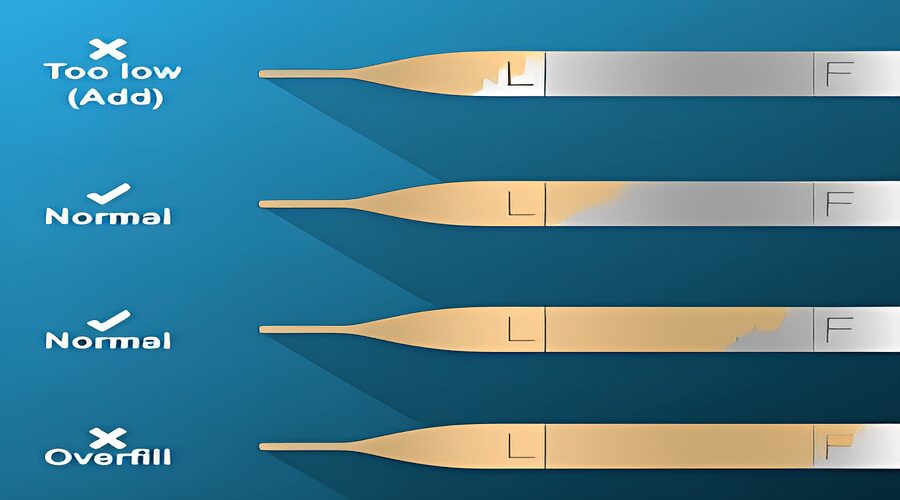
Before taking the car for a test drive, check the engine bay. Most sellers clean the bay right before listing the car, so the bay’s cleanliness can be misleading. The most common way to assess an engine’s health is to check the dipstick. If the oil level is below the marked level, the engine has been running with minimal lubrication. A majority of the engine components suffer severe wear due to poor lubrication. Take this sign as a red flag.
Another thing to note, do not trust the odometer and the warning lights. It has become very easy to clear error codes with a 200-rupee OBD scanner. Odometer miles can be easily manipulated, especially on older cars. Service records are the most reliable indicator of mileage.
Ask the seller if you can have the vehicle’s fluids checked by a trusted mechanic. Suppose you don’t want to do the hassle yourself. If the transmission, coolant and brake fluid levels and quality seem okay, it indicates a well-kept car.
Test Drive
The test drive will be the litmus test of a used car. A seasoned driver will notice any minor flaws after the first few minutes of driving; some can get a hint of the engine just by starting it up. But if you are not a seasoned driver, do not worry; keep the following tips in mind. Upon starting the engine, be wary of vibrations and noises. If you feel excessive vibrations inside the cabin, that is not a good noise. Many older engines can be unrefined and noisy, so noise can’t be directly indicative. But if the engine makes sputtering and knocking sounds, run away as far as possible.
Drive the car for a few kilometres, check how smooth the clutch operation is (for manuals), and notice if the gear shifts are jerky or laggy. Test the brakes for responsiveness. If the brakes are dull, you can easily replace them and use them as a negotiating point to lower the price. Also, make sure the steering is precise and that you don’t feel any vibrations. Furthermore, try driving on different conditions, and if you feel excessive bumps and roughness, or hear noises near the wheel arches, the suspension needs to be worked on.
Dealership
Look up the dealership’s records for the car you are buying. Some sellers throw in warranties or other goodies to satisfy the customers. An extended warranty is always good to have, but only established or big-time dealerships offer those. For smaller dealerships, check for customer reviews on online forums. Many dealerships completely ignore you immediately after the car is sold. Try to look for cars at trusted dealers.
Buying a car from a private seller is a complete gamble, and the vehicle inspection is the only reliable indicator of whether you should buy it.
Read More: On-road Price Of Tata Sierra In Top 7 Cities!
Inspection

Look closely for minor dents, scrapes, rust and scratches. These details indicate how roughly the car was driven. You can use these dents as leverage to lower the price. Most of the time, dents and scratches are no big deal as long as the car shows no signs of structural damage. Also, check for leaks underneath the vehicle. Make these observations after driving the car for some time.
Another essential thing to notice is the tyres. The treads usually give away whether they need replacement. A new set of tyres can be costly, so you must check them thoroughly beforehand.
A visual inspection may not give you a clear idea of whether the car has been repainted or has been in an accident. Many dealerships offer a thorough inspection certificate that reveals whether a vehicle has been repainted or has been in an accident. The dealer is obliged to inform you if the car has been through a major accident.
Which Used Car To Buy?
A great tip before buying a used car is to choose one that is still under warranty. Once the vehicle leaves the showroom, the depreciation begins. The car is worth almost 70% of its original value after 2-3 years. Most car manufacturers now offer a 3-year warranty with their models. Essentially, if you buy a car with 1 year left on its warranty, you can extend it and won’t have to worry about the car for the next 3-4 years. This extension may cost you 40-50,000 rupees, but it is worth it in the long run.
This is the main advantage of used cars: you can enjoy the features of a top model for the price of a new base variant. And the worry of warranty is also gone if you decide to buy a car under the warranty period.
To keep car maintenance costs low, opt for a car with readily available spares, low service costs, and a reputation for reliability. Toyota, Maruti Suzuki, and Hyundai seem like the brands that fit the criteria, and try to avoid companies like Chevrolet, Ford, and the German brands.
Final Tips
The tips mentioned above do not determine how well the car is maintained. Many times, the car passes all these checks and still causes issues after ownership. These checks only determine how well the vehicle was kept. The only positive of these checks is that the chances of the car being unreliable in the future are low.
This is also why most people prefer new cars: they have the assurance of a warranty. Nonetheless, if you do wish to buy a used car, set aside some money for maintenance and service costs. Keep aside at least 1 lakh rupees for maintenance.
Furthermore, before buying a car, get it checked with a trusted mechanic. While the above tips will give you a basic idea of the car’s condition, the mechanic has a better understanding of the vehicle and can spot flaws that are not obvious to the naked eye.
Read More: Toyota Land Cruiser For The Price Of A Sierra?

Hi, I’m Ravindra Meena , a bike and automobile enthusiast. I share honest reviews, mileage tests, and latest updates about bikes, cars, and EVs to help you make the right choice. Stay connected for real-world insights and trending auto news! 🏍️🚗