Everyone has a routine when getting into their car, like adjusting the mirrors and setting the radio. But there are some minor mistakes that most people make that damage their vehicle over time. Some of these mistakes happen unknowingly, and you would realise the extent of damage only after you take it to the service shop. Today, we will look at some mistakes that can significantly extend your vehicle’s life.
Read More: Hidden Features in Cars – You will be surprised!
Engine Start

Once you get inside the car and settle in, you start the car and decide to drive off. In colder weather, this routine affects the engine. Everyone has heard about this routine by now. But many still do not know its actual use. Once you start your car, the idling rate is at its highest. This is because the vehicle needs time to heat up to the ideal operating temperatures. When the engine is off, the oil is thick and very cold, and it only warms up after the car is turned on. Every car has a specific operating temperature (diesel runs hotter than petrol) and viscosity for the engine oil, and it takes some time for the oil to reach the ideal temperature and viscosity.
For the first few minutes, the oil doesn’t reach to all parts of the engine, and revving the motor under these conditions will increase wear on most engine components. This issue was prevalent in older vehicles, which had minimal electronic gizmos to control every function. But newer cars with modern cooling systems adjust to such problems quickly.
The duration the car needs to idle depends on the weather outside. In colder regions, you should idle your car for at least 45 seconds before setting off. But in hotter cities, a mere 20-30 seconds’ wait would suffice. Older vehicles may need at least 1 minute to idle before the idle revs are closer to the normal, which is usually under 1000rpm for all cars.
Turning Off The AC

Turning on the AC immediately after getting in your car is pretty necessary in the rough Indian weather. However, people forget to turn the AC off before turning the car off. This minor mistake could have diverse effects on some components.
If you keep the AC running before turning off the engine, it will start running immediately when you turn the car back on. This puts a heavy load on the AC compressor, which is driven by the drive belt. In such cases, the engine is subjected to a load exceeding the recommended limit, which accelerates wear on some components. The battery also suffers stress because it now has to power both the starter motor and the cooling system simultaneously.
Additionally, you should practice turning the AC off for a few minutes before turning the engine off. Turn the AC off but keep the blower running, so the cooling fan continues to run while the AC system is shut down. This blows out any moisture and dust on the evaporator coil. Moreover, it also cleans out the mould and odour from the AC vents. So next time when you step inside the car, you are greeted with a more pleasant-smelling cabin.
This issue gets more severe with older vehicles, since modern HVAC systems help prevent the AC compressor from being subjected to such a heavy load.
Ignoring Steer Drift
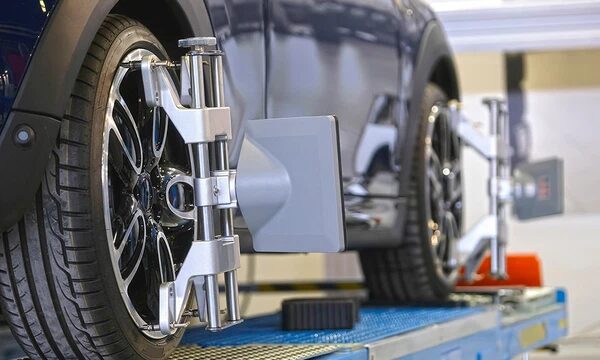
Every car owner faces this issue: the car wanders left or right despite any input. The driver then needs to make the effort to keep the car straight. Old or new, both types of vehicles experience this trouble because it is purely mechanical. No amount of technology can solve this issue at the moment. Many people choose to ignore this issue. But when the problem becomes too vicious to ignore, it is already too late, and you are subjected to a mighty invoice from the service centre.
Wheel misalignment is the main culprit for this issue. Other causes also include worn-out suspension and steering joints, and uneven tyre wear. Wheel alignment refers to the camber and caster angle of the front wheels being equal. To put it simply, a car with proper wheel alignment will have both tyres pointing in the same direction at the same angle.
The suspension and steering components wear over time, leading to minor wheel misalignment. You would notice the misalignment when the car veers off into a specific direction despite any steering input. The steering drift is very minor at the start, but gradually intensifies over time. It is essential to note this at the earliest possible time and have the wheel alignment and balancing done at a certified service centre.
A few advantages of getting the wheels aligned on time are – extended tyre life, lower fuel consumption, better handling and the biggest of them all, which is essential for safety and prevents hazards. Most of the time, the worn-out bushings and bearings cause the issue, and if noticed early, you could get away with paying a few thousand. But if you keep avoiding alignment, the tyres would suffer excess wear, and major suspension and steering components can get damaged, leading to a hefty service cost.
Read More: Why December Is the Most Confusing Month For Car Buyers? Explained!
Related Posts
- We are missing out on these car features
- Ford & Renault Coming Together To Launch New Cars! » MotorOctane
- Most Loved Tata Sierra Engine Compared With Rivals! » MotorOctane
- Electric Two-Wheeler Sales Analysis Nov 2025 in India
- New Rs 17 Lakh Creta Rival Launching Tomorrow! » MotorOctane

Hi, I’m Ravindra Meena , a bike and automobile enthusiast. I share honest reviews, mileage tests, and latest updates about bikes, cars, and EVs to help you make the right choice. Stay connected for real-world insights and trending auto news! 🏍️🚗