Car maintenance is an important aspect of car ownership. Every car owner has their own tricks and tips for keeping their car as new as possible. There are also many myths surrounding car maintenance that many people still follow. Today, we will figure out how many of these myths are true. We will also look at some tips to help keep your car healthy while saving money.
Read More: Biggest Scam? These Car Features Do Nothing
Idling Uses Less Fuel Than Restarting
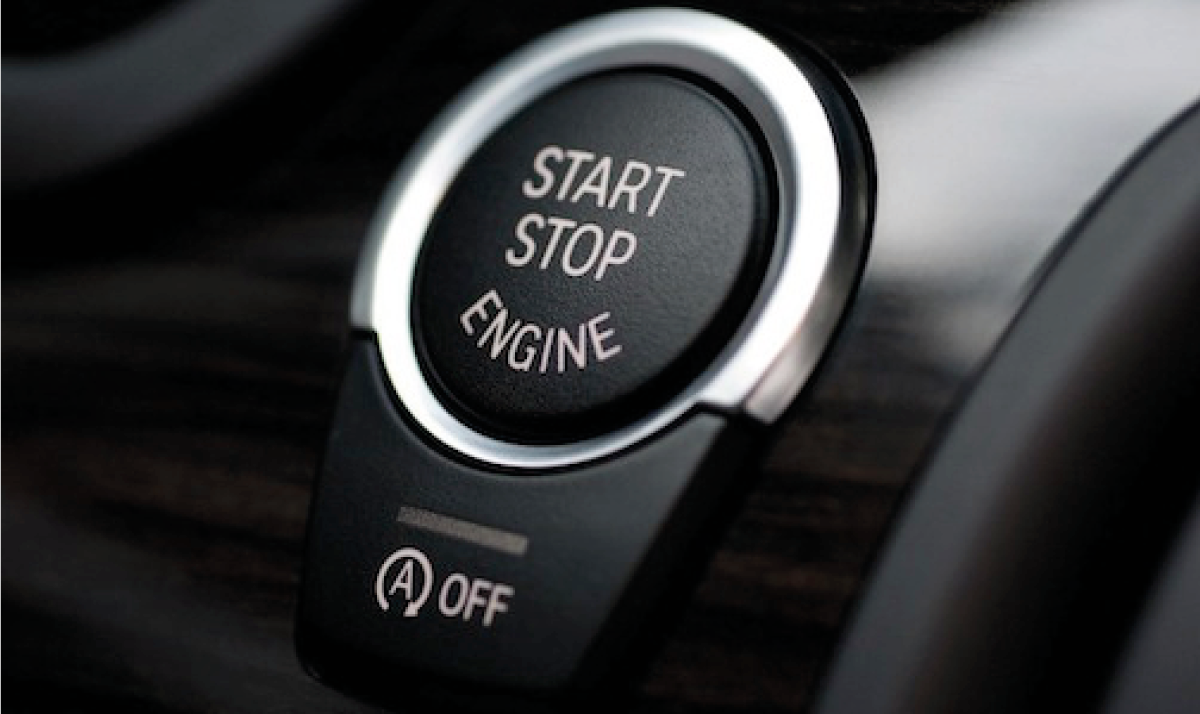
Many people despise the Start/Stop system of micro-hybrid cars. This system cuts off the engine when it is idling in traffic to preserve fuel. But this system can get annoying in traffic, and many people claim that restarting the engine actually consumes more fuel.
While it is true that starting the engine requires more fuel than idling, you more than make up for it when you turn the engine off. Reports suggest that restarting an engine consumes less fuel than 10 seconds of idle.
Let us assume that you are stuck at a traffic signal for 45 seconds. You turn off the engine after 5 seconds of waiting, and it shuts down for the remaining 40. In comparison, if you keep the car running for the entire 45 seconds, you will burn more than 3 times as much fuel. So if you wish to maximise your car’s fuel efficiency, turn off the engine during long stops. Not only does this save fuel, but it also reduces fuel emissions.
If your car comes equipped with an automatic start/stop system, try using it. Reports claim that fuel efficiency improves by 5%-15% thanks to this system.
Do Not Wait For Warning Lights

After turning on the car, nothing feels better than seeing a clean driver’s display with no warning lights on. But that does not mean that your engine is entirely healthy. Mechanical issues like suspension damage, wheel misalignment, worn brake pads, damaged bearings, etc. Other issues, like excess carbon buildup, only show a warning after it is too late.
It is difficult to notice minor coolant leaks, even the ECU can’t diagnose small leaks. You will often see the engine overheating, and the warning lights will remain off—similar to a transmission leak or fluid contamination. If the transmission oil is contaminated or there are leaks in the system, the gearbox will endure excessive wear. You will only notice a warning when it is too late, and some components will already be damaged.
This is why it is essential to schedule regular maintenance checks. It is recommended that you get the car serviced every 6 months or 20,000 km.
Read More: Tata Sierra ADAS Explained
Buying New Tyres
Replacing tyres is a costly procedure. If you desire high-quality tyres, a new set could cost more than 50,000 rupees. The cost keeps rising as the tyre size increases. And the common myth, that you should replace all tyres at once, does not help your wallet. This is because the treads of each vehicle have been worn out differently. When you change all tyres, the treading of each tyre becomes identical. If the wheels have different tread depths, the traction becomes more unpredictable.
However, this case is only applicable to AWD and 4WD drivetrains. These drivetrains require tyres with tread patterns similar to minimise damage to the powertrain.
With FWD and RWD, you are only required to replace two tyres at a time – the front 2 or the rear 2. If the tyres on your rear axles are worn out while the front 2 tyres are in good condition, you do not need to replace all four tyres. However, if only one of your tyres is worn out, you also have to replace the other tyre on that axle. Importantly, ensure all tyres are the same brand.
Do Not Pay Extra For Premium Fuel
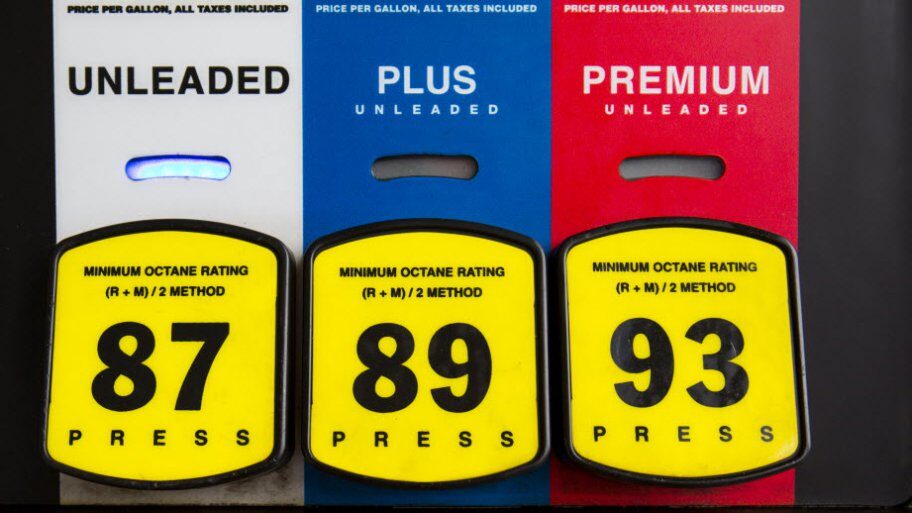
Many people believe that you get better performance with premium fuel. Premium fuel is defined by its octane rating. Premium fuel has a higher octane rating than regular fuel. While this may sound fancy, it has nothing to do with fuel quality. A high octane rating means that the chances of engine knocking are lower. Engine knocking can severely damage an engine, and with premium fuel, the risk is minimal.
Sports cars that maximise performance are more at risk of engine knocking due to high compression ratios and the use of turbochargers and superchargers. Such cars deliver maximum power without damaging the engine, thanks to high-octane fuel. Using regular fuel in such vehicles will not only affect performance but can also damage the engine.
But all manufacturers already know that. Most cars are designed to run on regular fuel. The majority of the cars are designed to last as long as possible on regular fuel. The performance with premium and regular fuel is identical. Horsepower and torque will remain unaffected even if you use premium fuel.
Manufacturers recommend octane ratings, and you should strictly stick to them. Using premium fuel in regular cars serves no actual purpose other than burning a hole in your wallet.
Read More: Is This The Rarest Octavia In the World?

Hi, I’m Ravindra Meena , a bike and automobile enthusiast. I share honest reviews, mileage tests, and latest updates about bikes, cars, and EVs to help you make the right choice. Stay connected for real-world insights and trending auto news! 🏍️🚗